Exodus 10:10
And he said to them, "May the LORD be with you, as I will let you and your little ones go. Watch out, for evil is before you."
What Exodus 10:10 means
Plain-English insight for readers
In this moment, Pharaoh responds to Moses and Aaron with sarcasm, showing his stubbornness and refusal to let the Israelites go. He implies that he doubts their intentions, suggesting that they are trying to deceive him. Pharaoh's words reflect his fear of losing control and his unwillingness to trust in the God of Israel. He sees their request as a threat rather than a plea for freedom. This exchange highlights the tension between the powerful and the oppressed, illustrating how fear can cloud judgment. Pharaoh's attitude serves as a reminder of how pride can lead to poor decisions. His sarcastic remark reveals his inner conflict and the struggle between authority and liberation. Ultimately, this moment sets the stage for the continuing battle between Moses and Pharaoh, emphasizing the importance of faith and perseverance in the face of adversity. The story encourages us to reflect on our own responses to challenges and the importance of being open to change and understanding.
How to apply Exodus 10:10 to your life
When faced with resistance, remember that sarcasm and pride can hinder progress. Approach challenges with humility and openness. Trust in your purpose and stay committed to your goals, even when others doubt you. Your perseverance can lead to meaningful change and growth in your life and the lives of others. Stay focused on your vision and values, and don't let negativity deter you from your path. Keep pushing forward with faith.
In the King James Version
And he said unto them, Let the LORD be so with you, as I will let you go, and your little ones: look to it; for evil is before you.
Ask about this verse
Ask anything about Exodus 10:10 and get a clear answer from Scripture.
Have a question about this verse? Explore it with ClearBible.
Premium answers your questions about any verse from Scripture itself, shows the verses it rests on, and opens Clear on every passage. You also get all 66 book summaries.
7 days free, then $99/year. Card required. Cancel anytime.
Learn the Bible through its people and places
Get to know the people in Scripture through illustrated stories, and explore the places where they lived and traveled.

Illustrated scene from Moses's story: The Plague of Locusts (Exodus 10:1–20)
Meet the people of the Bible
Follow their lives in order, with illustrated scenes and Bible passages that tell their stories.
 Moses
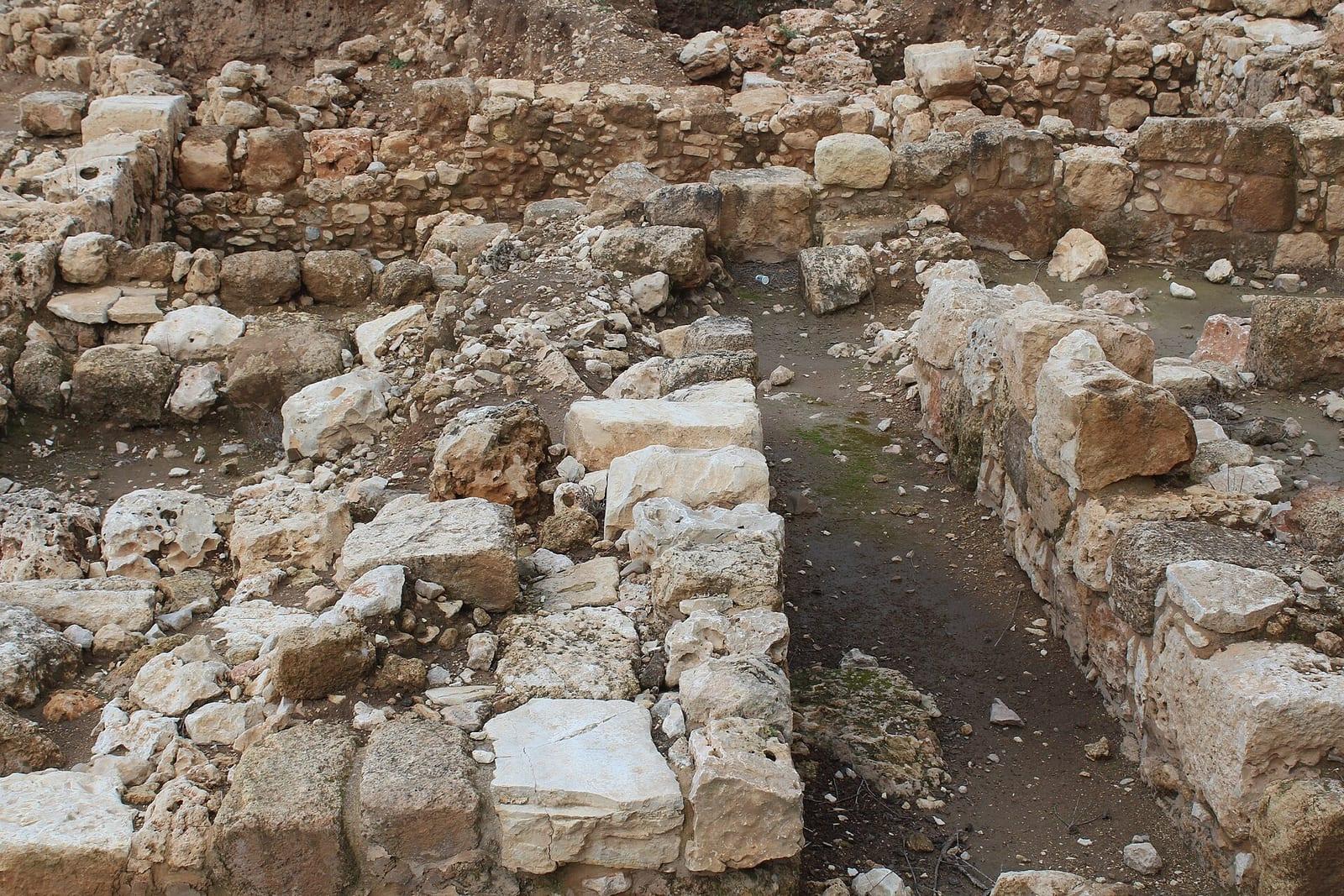
Photo: Deror Avi, via Wikimedia Commons. License: CC BY-SA 4.0. Source. Location: Tel Shiloh archaeological site, West Bank. Resized for the web.
Explore the places of the Bible
See where biblical events happened, why each place matters, and what archaeology helps us understand.
Shiloh
Where Israel set up the tabernacle, and where God called the boy Samuel.
Every Bible book, explained chapter by chapter
Explore summaries of every book of the Bible, with images and easy-to-understand explanations covering every chapter.
Keep studying Exodus 10:10
Related Bible verses
Key themes
Related topics
At a Glance — the Book of Exodus
- Author
- Traditionally attributed to Moses
- Written
- Around 1400 BC
- Genre
- Law (Pentateuch)
- Original Audience
- The Israelites in the wilderness
Frequently Asked Questions
Quick, clear answers about this verse
What does Exodus 10:10 mean?
Exodus 10:10 shows Pharaoh's sarcastic response to Moses and Aaron, indicating his refusal to let the Israelites go. His words reflect his distrust and fear of losing control, highlighting the conflict between authority and the oppressed.
What is the significance of Pharaoh's sarcasm in Exodus 10:10?
Pharaoh's sarcasm in Exodus 10:10 emphasizes his stubbornness and unwillingness to trust Moses and Aaron. It illustrates how fear and pride can cloud judgment, ultimately leading to poor decisions.
How does Exodus 10:10 relate to themes of authority and freedom?
Exodus 10:10 illustrates the conflict between Pharaoh's authority and the Israelites' desire for freedom. Pharaoh's sarcastic remark reveals his fear of losing power, which is a central theme in the narrative.
What can we learn from Pharaoh's response in Exodus 10:10?
Pharaoh's response in Exodus 10:10 teaches us that sarcasm and pride can obstruct progress. It encourages us to approach challenges with humility and to remain committed to our goals despite resistance.
Daily Verse — straight to your inbox
A verse and a 2-sentence plain-English explanation, every morning. Free. Unsubscribe anytime.