Exodus 14:14
The LORD will fight for you. All you have to do is be still."
Exodus 14:14 meaning: the LORD will fight for you
Plain-English insight for readers
Exodus 14:14 means that God himself would rescue Israel at the Red Sea, so his frightened people did not need to fight or panic: "The LORD shall fight for you, and ye shall hold your peace." Moses spoke these words as Pharaoh's army closed in. That same day God opened the sea and saved them.
In this moment of crisis, the Israelites found themselves trapped between the Red Sea and the pursuing Egyptian army. God reassures them that they don’t need to fight their battles alone. Instead, He promises to take on their struggles. The instruction to be still emphasizes the importance of trust and patience. It’s a reminder that sometimes, the best action is to step back and let God handle the situation. This verse encourages us to relinquish our worries and anxieties, knowing that divine help is on the way. When we feel overwhelmed, we can find peace in the assurance that God is actively working on our behalf. By being still, we open ourselves to receive His guidance and strength, allowing Him to lead us through our challenges. This powerful message invites us to cultivate faith and confidence in God’s ability to protect and deliver us from our troubles, no matter how daunting they may seem. Trusting in His power can transform our fears into peace, reminding us that we are never alone in our struggles.
How to apply Exodus 14:14 to your life
When facing overwhelming challenges, take a moment to pause and reflect. Instead of trying to control everything, trust that God is working for your good. Allow yourself to be still and listen for guidance. This practice can bring clarity and peace to your situation. Remember, you are not alone in your struggles!
In the King James Version
The LORD shall fight for you, and ye shall hold your peace.
Exodus 14:14 in context: trapped at the Red Sea
What the verse says, and how the surrounding passage reads
Israel had just left Egypt when Pharaoh changed his mind and chased them with his chariots. The people were camped by the sea with no way out. When they saw the Egyptians marching after them, "they were sore afraid" and cried out to the LORD (Exodus 14:10). They also turned on Moses: "Hast thou taken us away to die in the wilderness?" (14:11).
Moses answered them in two verses. First he said, "Fear ye not, stand still, and see the salvation of the LORD" (14:13). Then came verse 14, the promise that the LORD would do the fighting. Right after, God told Moses, "Speak unto the children of Israel, that they go forward" (14:15). The sea opened, Israel walked through on dry ground, and the waters came back over Pharaoh's army (14:29–30). Even the Egyptians said, "The LORD fighteth for them against the Egyptians" (14:25).
The phrase "hold your peace" means to be quiet and calm. Other Bibles make this plain. Our Clear Bible Translation says, "All you have to do is be still," and the Berean Standard Bible says, "you need only to be still." In the story, being still meant stopping the panic and the complaining, and trusting God to act. It did not mean doing nothing, because the people still had to walk forward into the sea.
Exodus 14:14 is not a promise that God will win every fight a person chooses. It was spoken to Israel at one moment of rescue. The Bible repeats the same truth elsewhere, though: "the LORD your God he shall fight for you" (Deuteronomy 3:22), and "the battle is not yours, but God's" (2 Chronicles 20:15). Christians differ on how directly to apply the verse to personal struggles. Most see in it a picture of trusting God when we cannot save ourselves.
Keep exploring: Bible verses about trusting God · Bible verses about fear
Ask about this verse
Ask anything about Exodus 14:14 and get a clear answer from Scripture.
Have a question about this verse? Explore it with ClearBible.
Premium answers your questions about any verse from Scripture itself, shows the verses it rests on, and opens Clear on every passage. You also get all 66 book summaries.
7 days free, then $99/year. Card required. Cancel anytime.
Learn the Bible through its people and places
Get to know the people in Scripture through illustrated stories, and explore the places where they lived and traveled.

Illustrated scene from Moses's story: Crossing the Red Sea (Exodus 14:1–31)
Meet the people of the Bible
Follow their lives in order, with illustrated scenes and Bible passages that tell their stories.
 Moses
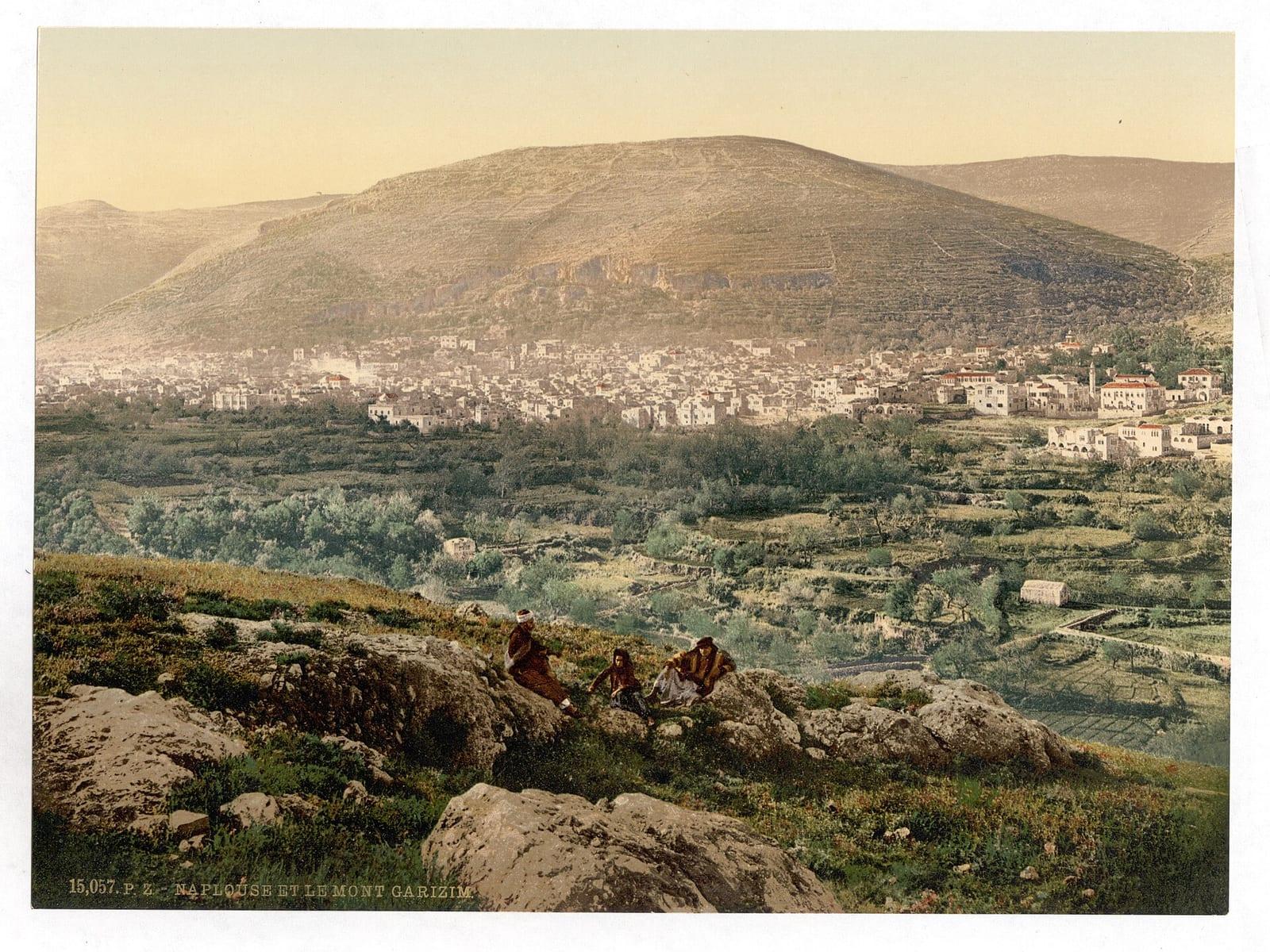
Photo: Photochrom print, Library of Congress Prints and Photographs Division (LCCN 2002725043). License: Public domain in the United States; Library of Congress states no known restrictions on publication. Source. Location: Nablus and Mount Gerizim, West Bank; print preserved by the Library of Congress. Resized for the web.
Explore the places of the Bible
See where biblical events happened, why each place matters, and what archaeology helps us understand.
Shechem
Where God promised the land to Abram, and where Joshua led Israel to renew the covenant.
Fuller verse explanations
Explore what a verse means, what was happening around it, and how it connects to other Bible passages.
Plain Meaning
Moses tells the Israelites that God will do the fighting. They do not need to attack, flee, or panic. "Hold your peace" means stay quiet and still. The battle belongs to God, not to them.
Read It in Context
The Egyptian army has caught up with Israel at the sea. The people are terrified and are blaming Moses for leading them out of Egypt. Moses answers their fear in verses 13 and 14: do not be afraid, stand still, and watch what God is about to do.
The full Clear view adds what to notice, common misreadings, and the passage that best explains this one — for Exodus 14:14 and any verse in the Bible.
Every Bible book, explained chapter by chapter
Explore summaries of every book of the Bible, with images and easy-to-understand explanations covering every chapter.
Keep studying Exodus 14:14
Related Bible verses
Related topics
At a Glance — the Book of Exodus
- Author
- Traditionally attributed to Moses
- Written
- Around 1400 BC
- Genre
- Law (Pentateuch)
- Original Audience
- The Israelites in the wilderness
Exodus 14:14: questions and answers
Quick, clear answers about this verse
What does Exodus 14:14 mean?
Exodus 14:14 means that the LORD would fight Israel's battle at the Red Sea, so the people could stop panicking and trust him. They were trapped between the sea and Pharaoh's army (Exodus 14:9–10). Moses told them, "The LORD shall fight for you, and ye shall hold your peace." God then opened the sea and saved them that same day (14:30). The verse shows that the rescue was God's work, not Israel's.
Who said Exodus 14:14, and to whom?
Moses said it to the people of Israel as Pharaoh's army closed in on them by the sea. He spoke right after the people cried out in fear and blamed him for leading them out of Egypt (Exodus 14:10–12). His words in verses 13 and 14 belong together: "Fear ye not, stand still, and see the salvation of the LORD," and then the promise that the LORD would fight for them. In verse 15, God spoke to Moses himself.
Does "be still" in Exodus 14:14 mean doing nothing?
No. In Exodus 14:14, being still means stopping the panic and trusting God, not sitting idle. In the very next verse, God told Moses to speak to the people "that they go forward" (Exodus 14:15). Moses lifted his rod over the sea, and Israel walked through on dry ground (14:16, 22). Their part was to trust and obey; the fighting was God's. Psalm 46:10 uses similar words: "Be still, and know that I am God."
Why do Bibles word Exodus 14:14 differently?
Bibles word Exodus 14:14 differently because they put the same idea in older or newer English. The King James Version says "ye shall hold your peace," an old way of saying be quiet. The World English Bible ends, "and you shall be still." Our Clear Bible Translation reads, "The LORD will fight for you. All you have to do is be still." The Berean Standard Bible reads, "you need only to be still." All of them mean the same thing: God fights, and his people trust him.
Is Exodus 14:14 a promise for me today?
Exodus 14:14 was first a promise to Israel at the Red Sea, not a blanket promise about every struggle. Still, it shows what God is like, and the Bible repeats the idea many times. Moses said it again before Israel entered the land: "he shall fight for you" (Deuteronomy 1:30). Paul asks, "If God be for us, who can be against us?" (Romans 8:31). Christians differ on how directly to apply Old Testament promises to their own lives. Many take this verse as a call to trust God when they feel trapped.
How did God fight for Israel in Exodus 14?
God fought for Israel by opening the sea for his people and bringing the waters back over Pharaoh's army. Israel walked "upon dry land in the midst of the sea" (Exodus 14:29). When the Egyptians followed, God took off their chariot wheels, and they cried, "Let us flee from the face of Israel" (14:25). When morning came, the waters returned (14:27). "Thus the LORD saved Israel that day" (14:30).
Where else does the Bible say the battle belongs to the LORD?
The Bible says the battle belongs to the LORD in several places after Exodus 14:14. David told Goliath, "the battle is the LORD's" (1 Samuel 17:47). A Levite named Jahaziel told King Jehoshaphat, "the battle is not yours, but God's" (2 Chronicles 20:15). Two verses later he added, "Ye shall not need to fight in this battle: set yourselves, stand ye still" (2 Chronicles 20:17). Those words echo Exodus 14:13–14.
Daily Verse — straight to your inbox
A verse and a 2-sentence plain-English explanation, every morning. Free. Unsubscribe anytime.