Jeremiah 9:9
Shouldn't I punish them for these things? says the LORD. Shouldn't my soul be avenged on a nation like this?
What Jeremiah 9:9 means
Plain-English insight for readers
In this verse, God expresses His intention to hold the people accountable for their actions. The rhetorical questions highlight the seriousness of their sins and the inevitability of divine judgment. God is portrayed as a just ruler who cannot overlook wrongdoing. The phrase 'my soul be avenged' indicates a deep emotional response to the betrayal of His covenant people. This reflects God's desire for justice and righteousness, emphasizing that He will not allow injustice to go unpunished. The context suggests that the nation has turned away from God, engaging in practices that are contrary to His will. This verse serves as a warning about the consequences of persistent disobedience and the importance of returning to a right relationship with God. It underscores the theme of divine justice and the seriousness of sin, reminding the audience that God is aware of their actions and will respond accordingly.
How to apply Jeremiah 9:9 to your life
This verse encourages us to reflect on our actions and their alignment with God's will. It serves as a reminder that God is just and will hold us accountable for our choices. We should strive to live righteously and seek reconciliation with God, avoiding the pitfalls of sin that lead to judgment.
In the King James Version
Shall I not visit them for these things? saith the LORD: shall not my soul be avenged on such a nation as this?
Ask about this verse
Ask anything about Jeremiah 9:9 and get a clear answer from Scripture.
Have a question about this verse? Explore it with ClearBible.
Premium answers your questions about any verse from Scripture itself, shows the verses it rests on, and opens Clear on every passage. You also get all 66 book summaries.
7 days free, then $99/year. Card required. Cancel anytime.
Explore more of the Bible
Learn the Bible through its people and places
Get to know the people in Scripture through illustrated stories, and explore the places where they lived and traveled.
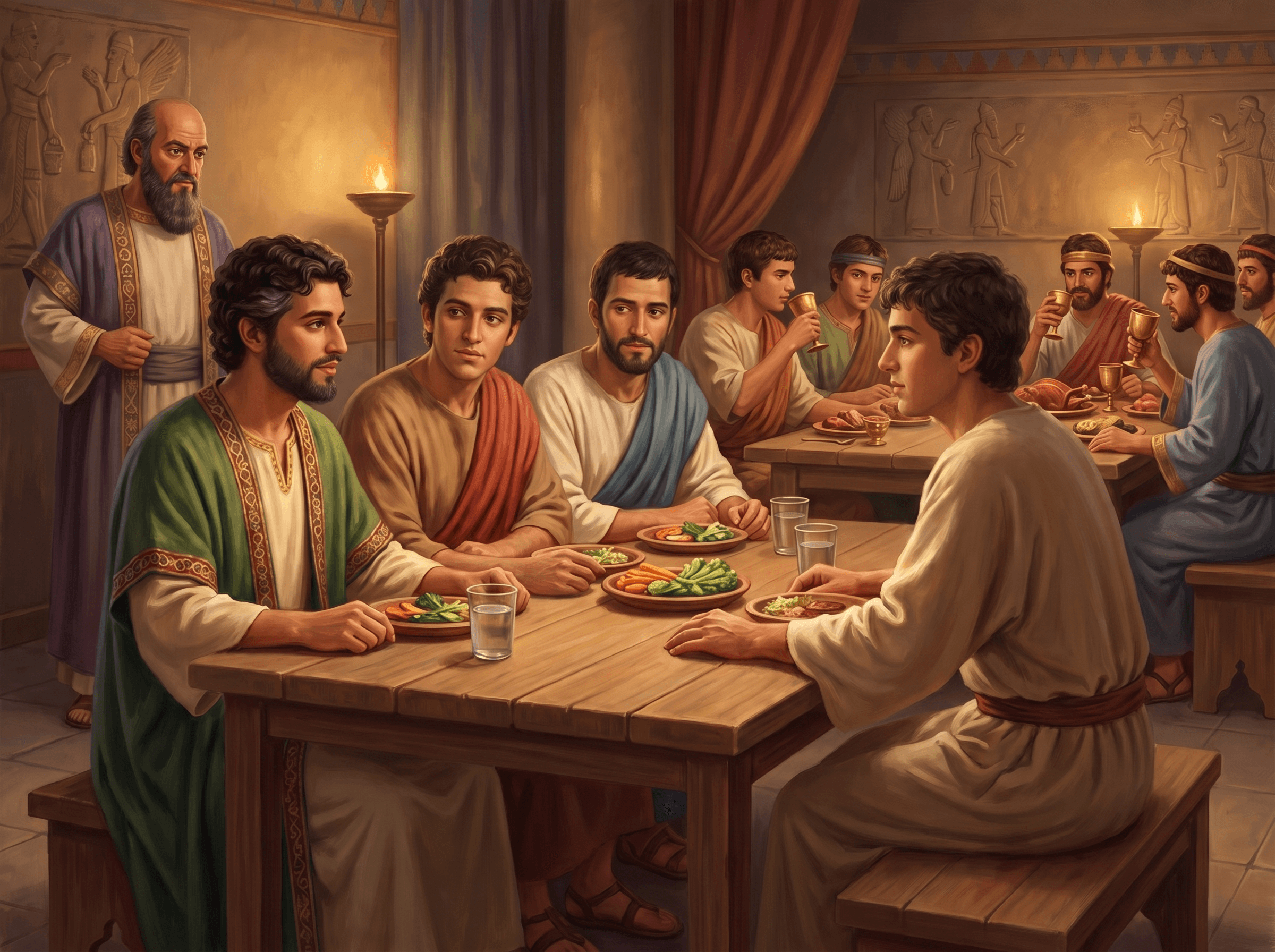
Illustrated scene from Daniel's story: Faithful at the King's Table (Daniel 1:1–21)
Meet the people of the Bible
Follow their lives in order, with illustrated scenes and Bible passages that tell their stories.
 Daniel
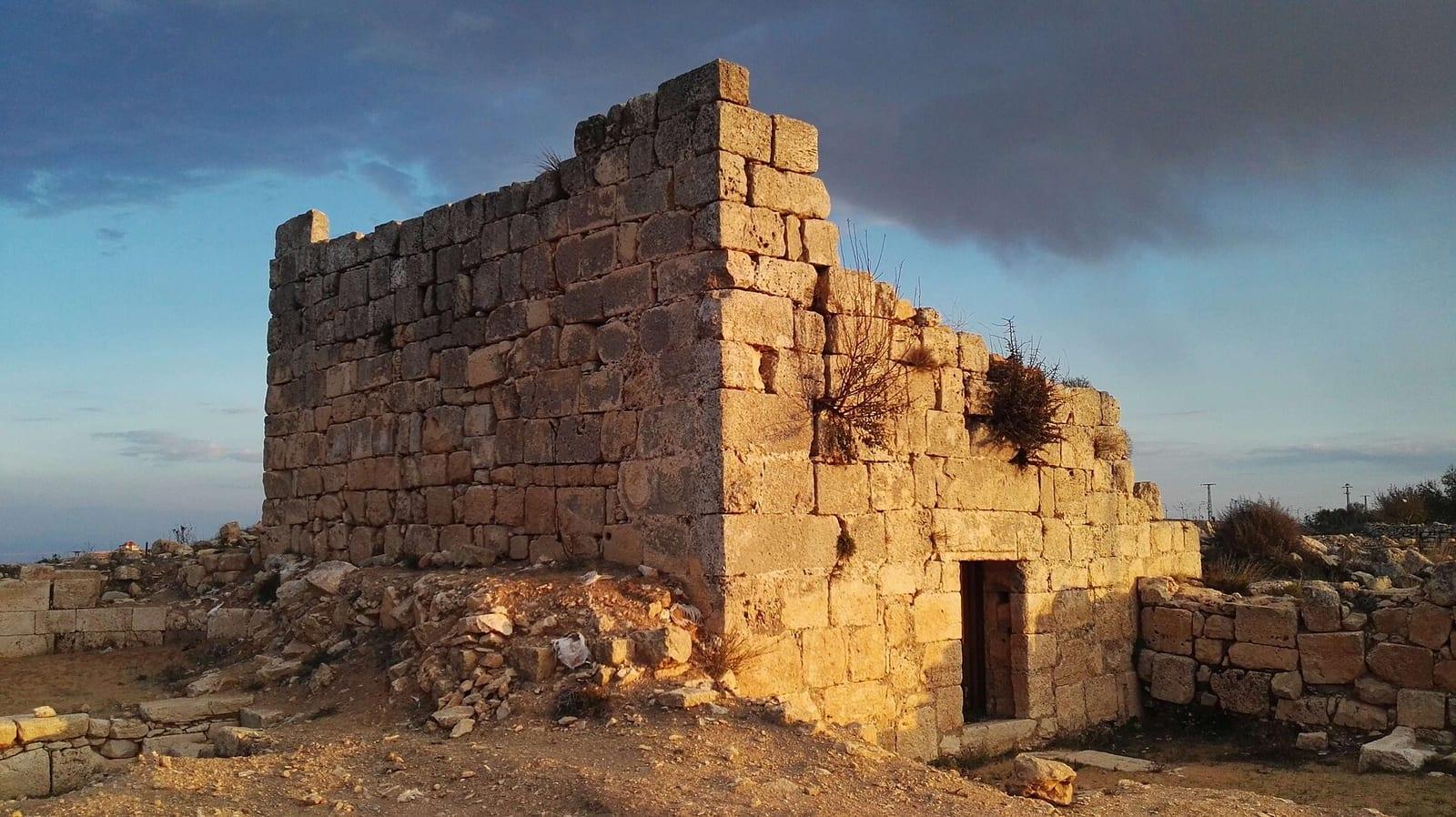
Photo: Bukvoed, via Wikimedia Commons. License: CC BY 4.0. Source. Location: Burj Beitin, Beitin, Ramallah and al-Bireh Governorate, West Bank. Resized for the web.
Explore the places of the Bible
See where biblical events happened, why each place matters, and what archaeology helps us understand.
Bethel
Where Jacob dreamed of a stairway to heaven and met God.
Every Bible book, explained chapter by chapter
Explore summaries of every book of the Bible, with images and easy-to-understand explanations covering every chapter.
Keep studying Jeremiah 9:9
Related Bible verses
Key themes
Related topics
At a Glance — the Book of Jeremiah
- Author
- Jeremiah the prophet, with Baruch
- Written
- Around 600 BC
- Genre
- Prophecy
- Original Audience
- Judah before and during the Babylonian exile
Frequently Asked Questions
Quick, clear answers about this verse
What does Jeremiah 9:9 mean?
Jeremiah 9:9 expresses God's intention to hold the people accountable for their sins. The verse highlights the seriousness of their actions and the certainty of divine judgment against a nation that has turned away from Him.
What is the meaning of 'my soul be avenged' in Jeremiah 9:9?
The phrase 'my soul be avenged' indicates God's deep emotional response to the betrayal of His covenant people. It reflects His desire for justice and the seriousness with which He views their disobedience.
How does Jeremiah 9:9 relate to accountability?
Jeremiah 9:9 underscores the concept of accountability by showing that God will not overlook wrongdoing. It serves as a reminder that individuals and nations will face consequences for their actions.
What themes are present in Jeremiah 9:9?
Key themes in Jeremiah 9:9 include divine justice, accountability, the seriousness of sin, God's judgment, and His emotional response to the actions of His people.
Daily Verse — straight to your inbox
A verse and a 2-sentence plain-English explanation, every morning. Free. Unsubscribe anytime.