Leviticus 4:4
He must bring the bull to the entrance of the Tent of Meeting before the LORD, lay his hand on the bull's head, and slaughter it there in the LORD's presence.
What Leviticus 4:4 means
Plain-English insight for readers
In Leviticus 4:4, the process of making a sin offering is described. The individual who has sinned must bring a bull to the entrance of the Tent of Meeting, which symbolizes coming before God. By laying their hand on the bull's head, the person identifies with the animal, symbolically transferring their sin to it. This act signifies repentance and acknowledgment of wrongdoing. The slaughtering of the bull in the presence of the LORD emphasizes the seriousness of sin and the need for atonement. This ritual was a way for the Israelites to seek forgiveness and restore their relationship with God, highlighting the importance of sacrifice in the Old Testament sacrificial system. It reflects the belief that sin has consequences and requires a means of reconciliation with God.
How to apply Leviticus 4:4 to your life
This verse reminds us of the importance of acknowledging our wrongdoings and seeking forgiveness. Just as the Israelites brought offerings to God, we too can approach Him with our confessions, understanding that repentance is a vital step in restoring our relationship with Him.
In the King James Version
And he shall bring the bullock unto the door of the tabernacle of the congregation before the LORD; and shall lay his hand upon the bullock’s head, and kill the bullock before the LORD.
Ask about this verse
Ask anything about Leviticus 4:4 and get a clear answer from Scripture.
Have a question about this verse? Explore it with ClearBible.
Premium answers your questions about any verse from Scripture itself, shows the verses it rests on, and opens Clear on every passage. You also get all 66 book summaries.
7 days free, then $99/year. Card required. Cancel anytime.
Explore more of the Bible
Learn the Bible through its people and places
Get to know the people in Scripture through illustrated stories, and explore the places where they lived and traveled.
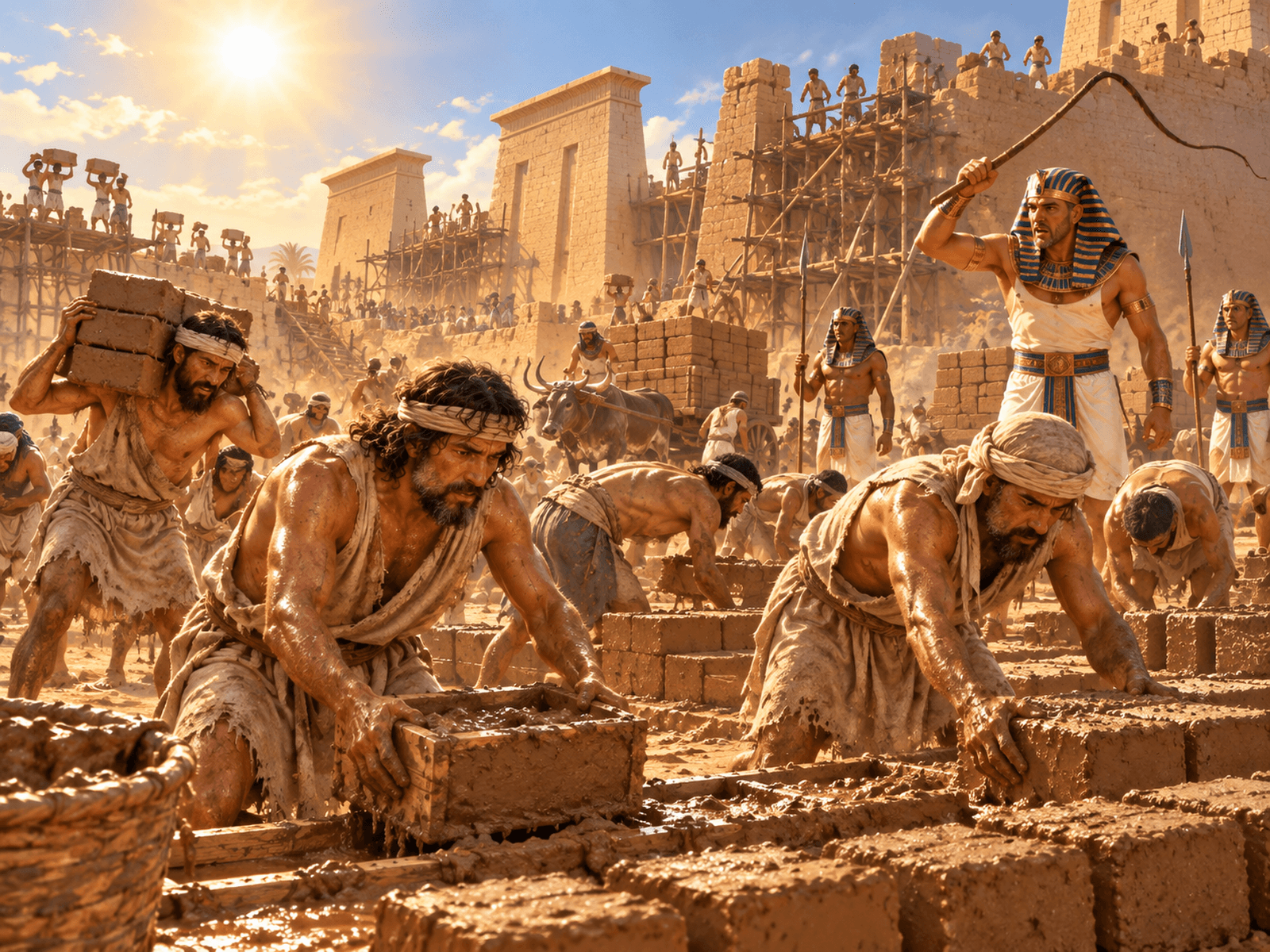
Illustrated scene from Moses's story: Israel Enslaved in Egypt (Exodus 1:8–22)
Meet the people of the Bible
Follow their lives in order, with illustrated scenes and Bible passages that tell their stories.
 Moses
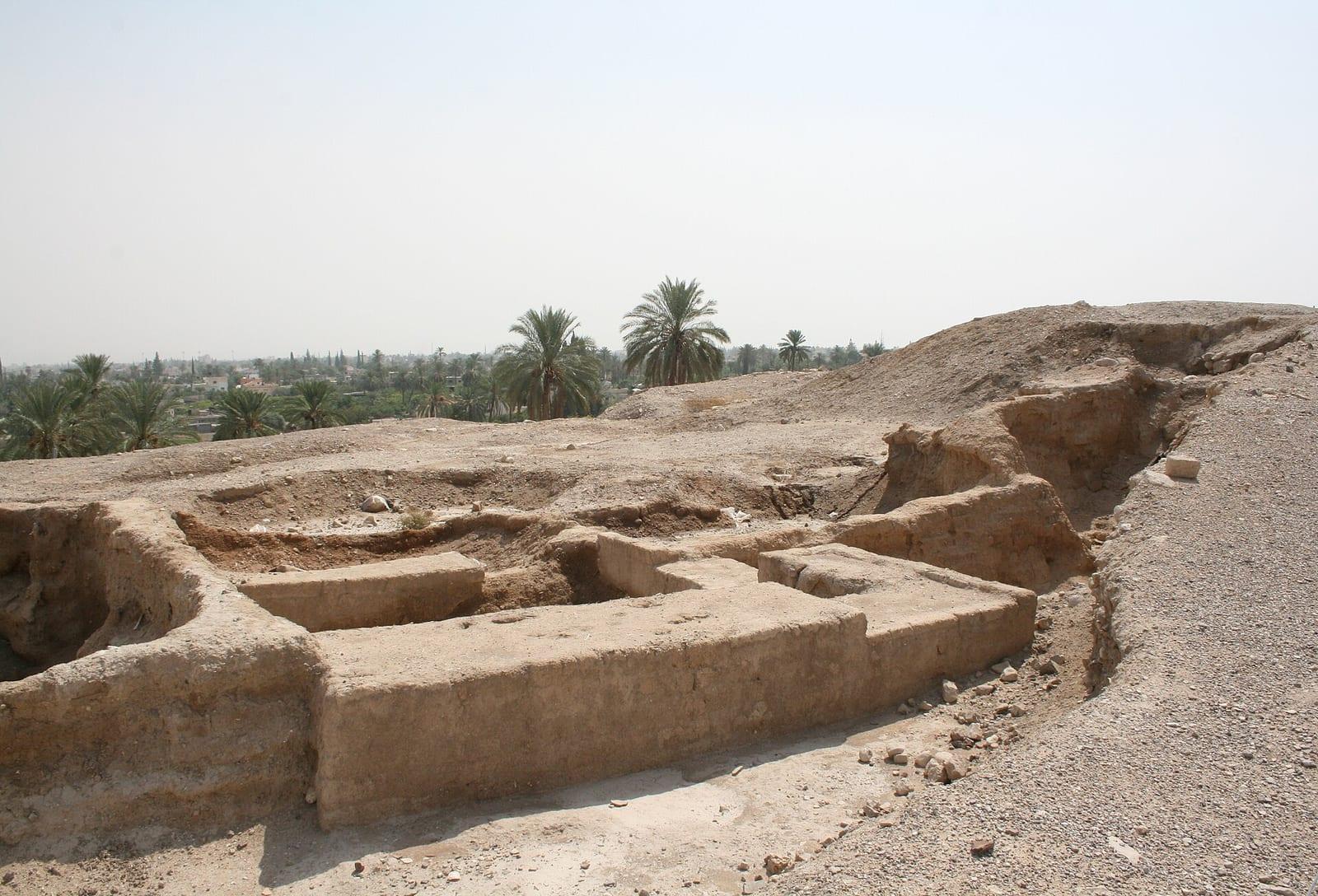
Photo: Diego Delso, via Wikimedia Commons. License: CC BY-SA 3.0. Source. Location: Tell es-Sultan, Jericho, West Bank. Resized for the web.
Explore the places of the Bible
See where biblical events happened, why each place matters, and what archaeology helps us understand.
Jericho
The city of palm trees, whose walls fell in Joshua's day.
Every Bible book, explained chapter by chapter
Explore summaries of every book of the Bible, with images and easy-to-understand explanations covering every chapter.
Keep studying Leviticus 4:4
Related Bible verses
Key themes
Related topics
At a Glance — the Book of Leviticus
- Author
- Traditionally attributed to Moses
- Written
- Around 1400 BC
- Genre
- Law (Pentateuch)
- Original Audience
- The Israelites in the wilderness
Frequently Asked Questions
Quick, clear answers about this verse
What does Leviticus 4:4 mean?
Leviticus 4:4 describes the procedure for making a sin offering, where an individual brings a bull to the Tent of Meeting, lays their hand on its head to symbolize the transfer of sin, and then slaughters it before the LORD. This act represents repentance and the seriousness of sin, emphasizing the need for atonement.
What is the significance of the bull in Leviticus 4:4?
The bull in Leviticus 4:4 serves as a sacrificial offering for sin, symbolizing the weight of wrongdoing and the need for a substitute to bear the consequences. It highlights the importance of sacrifice in seeking forgiveness and restoring a relationship with God.
What does laying hands on the bull's head mean in Leviticus 4:4?
Laying hands on the bull's head in Leviticus 4:4 symbolizes the individual's identification with the animal, representing the transfer of their sin to the bull. This act signifies acknowledgment of wrongdoing and a desire for forgiveness.
What is the process described in Leviticus 4:4?
The process in Leviticus 4:4 involves bringing a bull to the entrance of the Tent of Meeting, laying hands on its head, and slaughtering it in the presence of the LORD. This ritual is part of the sin offering, emphasizing repentance and the need for atonement.
Daily Verse — straight to your inbox
A verse and a 2-sentence plain-English explanation, every morning. Free. Unsubscribe anytime.