Old Testament
1 Samuel 12:2
Read the Bible in clear, modern English—easy to understand, faithful to the meaning, and written for everyday readers.
Now your king stands before you, and I am old and gray. My sons are here with you, and I have walked before you from my youth until today.
Compare translations
And now, behold, the king walketh before you: and I am old and grayheaded; and, behold, my sons are with you: and I have walked before you from my childhood unto this day.
What 1 Samuel 12:2 means
Plain-English insight for readers
In this moment, Samuel, the prophet, stands before the people of Israel, acknowledging the transition of leadership to their new king. He reflects on his own life, noting his age and the presence of his sons. Samuel has dedicated his life to serving the people, guiding them since his youth. This statement emphasizes his commitment and the weight of responsibility he feels as he hands over leadership. The people are reminded of his long-standing service and the importance of their new king. Samuel's words serve as a bridge between the past and the future, highlighting the significance of leadership and legacy. His experience and wisdom are now being passed on, urging the people to recognize the importance of their choices moving forward. This moment is not just about a change in leadership; it’s about the journey they have taken together and the path that lies ahead. Samuel’s life is a testament to faithfulness and dedication, encouraging the people to honor their new king with the same commitment they showed him.
How to apply 1 Samuel 12:2 to your life
Reflect on the leaders in your life and the impact they have had on you. Consider how you can honor their legacy by making wise choices in your own life. Embrace the changes that come with new leadership and strive to be a positive influence in your community. Your actions can shape the future for those who follow you. Lead with integrity and purpose, just as Samuel did during his time of service to Israel.
Curated for this public verse page. 1 Samuel Summary
Learn the Bible through its people and places
Get to know the people in Scripture through illustrated stories, and explore the places where they lived and traveled.

Illustrated scene from Samuel's story: Samuel's Farewell (1 Samuel 12:1–25)
Meet the people of the Bible
Follow their lives in order, with illustrated scenes and Bible passages that tell their stories.
 Samuel
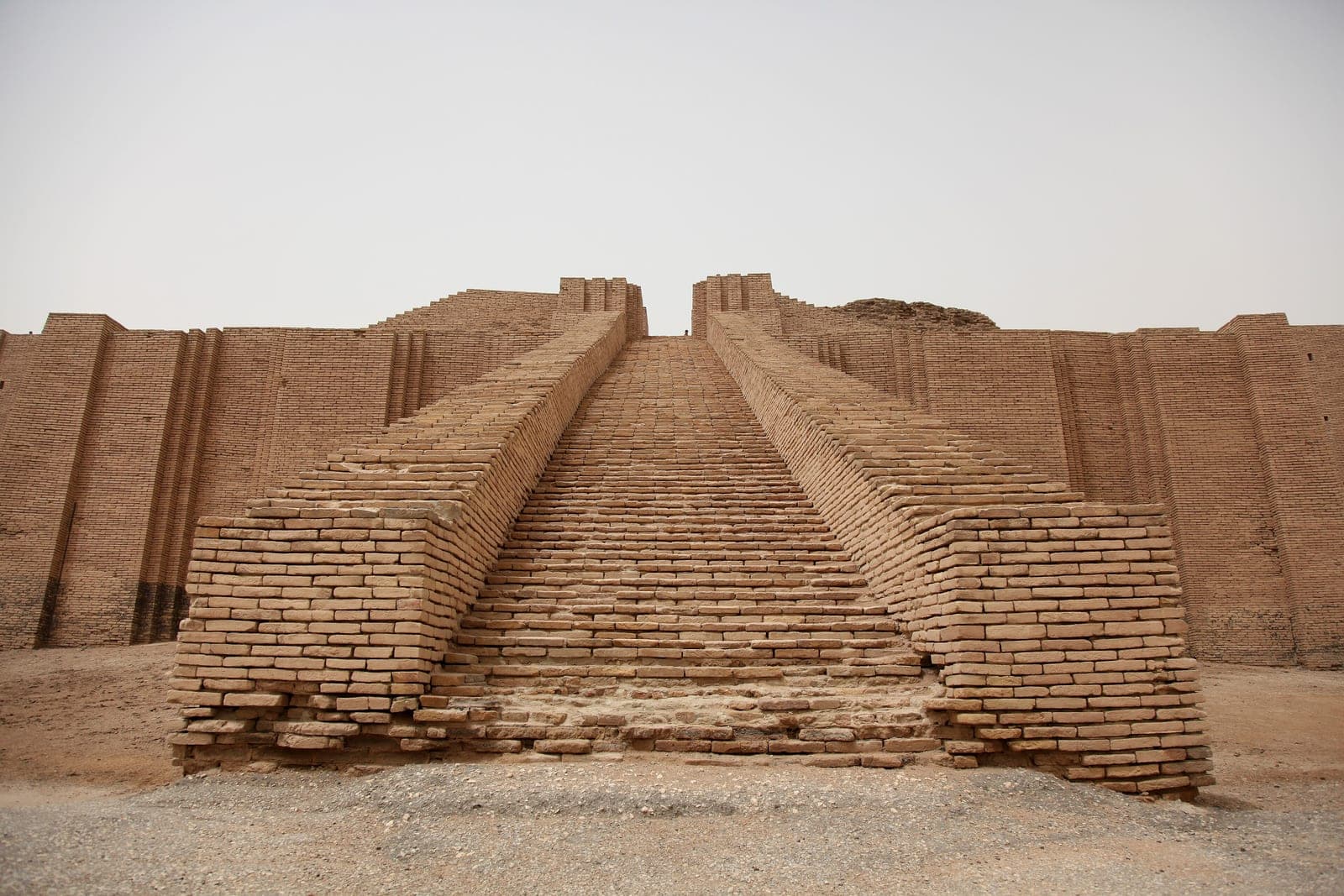
Photo: U.S. Army photo by Spc. Samantha R. Ciaramitaro, via DVIDS and Wikimedia Commons. License: Public domain in the United States — U.S. federal-government work. Source. Location: Great Ziggurat, Ur Archaeological City (Tell el-Mukayyar), Dhi Qar Governorate, Iraq. Resized for the web.
Explore the places of the Bible
See where biblical events happened, why each place matters, and what archaeology helps us understand.
Ur
The city Abram's family left to travel toward Canaan.
Get full access with one subscription
Explore the people and places of the Bible. Read summaries of every book, with images and clear explanations covering every chapter. Access all these features and our Bible study tools with one subscription.
See PlansAsk AI about 1 Samuel 12:2
Ask a question about this verse and get a clear answer, with Bible references you can read for yourself.
Every Bible book, explained chapter by chapter
Explore summaries of every book of the Bible, with images and easy-to-understand explanations covering every chapter.
Keep studying 1 Samuel 12:2
Related Bible verses
Key themes
Related topics
At a Glance — the Book of 1 Samuel
- Author
- Traditionally attributed to Samuel, Nathan, and Gad
- Written
- Around 930 BC
- Genre
- Historical narrative
- Original Audience
- The Israelites of the early monarchy
Frequently Asked Questions
Quick, clear answers about this verse
What does 1 Samuel 12:2 teach about leadership?
1 Samuel 12:2 highlights the importance of leadership transition and the responsibilities that come with it. Samuel acknowledges his age and experience while introducing the new king, emphasizing that effective leadership requires dedication and a commitment to serving others. This verse encourages leaders to reflect on their journey and the impact they have on their community.
How does Samuel's age affect his message in this verse?
Samuel's age in 1 Samuel 12:2 adds weight to his message, as he speaks from a lifetime of experience. His gray hair symbolizes wisdom and the lessons learned throughout his service. By acknowledging his age, he reinforces the importance of legacy and the need for the people to honor their new king, drawing on the trust and respect he has built over the years.
What is the significance of Samuel's sons being present?
The presence of Samuel's sons in 1 Samuel 12:2 signifies the continuation of leadership and the passing of values to the next generation. It highlights the importance of family and mentorship in leadership roles. Samuel's acknowledgment of his sons serves as a reminder to the people that leadership is not just about the individual but also about the legacy and influence they impart to those who follow.
How can we apply the lessons from 1 Samuel 12:2 in our lives?
We can apply the lessons from 1 Samuel 12:2 by reflecting on the leaders in our lives and the impact they have had on us. It encourages us to honor their legacy through our choices and actions. Embracing change in leadership, we should strive to be positive influences in our communities, leading with integrity and purpose, just as Samuel did.
Daily Verse — straight to your inbox
A verse and a 2-sentence plain-English explanation, every morning. Free. Unsubscribe anytime.