Old Testament
1 Samuel 15:33
Read the Bible in clear, modern English—easy to understand, faithful to the meaning, and written for everyday readers.
Samuel declared, "Your sword made women childless, and now your mother will be childless among women." Then Samuel cut Agag to pieces before the LORD at Gilgal.
Compare translations
And Samuel said, As thy sword hath made women childless, so shall thy mother be childless among women. And Samuel hewed Agag in pieces before the LORD in Gilgal.
What 1 Samuel 15:33 means
Plain-English insight for readers
In this moment, the prophet Samuel confronts King Agag, reminding him of the destruction he has caused. Agag's actions led to the suffering of many, particularly women who lost their children due to his violence. Samuel's words highlight the principle of justice: what you do to others can come back to you. By declaring that Agag's mother will also be childless, Samuel emphasizes the weight of Agag's sins. This is not just a punishment; it’s a reflection of the pain he inflicted. Samuel then takes decisive action, cutting Agag into pieces, symbolizing the end of his reign and the fulfillment of God's judgment. This act serves as a powerful reminder that there are consequences for our actions, especially when they harm others. It illustrates the seriousness of divine justice and the importance of accountability in leadership. Ultimately, this story challenges us to consider how our choices affect those around us and to seek a path of compassion and responsibility instead of destruction.
How to apply 1 Samuel 15:33 to your life
Reflect on your actions and their impact on others. Consider how your choices can lead to either healing or harm. Strive to be a source of support and kindness, ensuring that your influence brings about positive change in the lives of those around you. Choose compassion over destruction in your daily interactions.
Curated for this public verse page. 1 Samuel Summary
Learn the Bible through its people and places
Get to know the people in Scripture through illustrated stories, and explore the places where they lived and traveled.

Illustrated scene from Samuel's story: To Obey Is Better Than Sacrifice (1 Samuel 15:1–35)
Meet the people of the Bible
Follow their lives in order, with illustrated scenes and Bible passages that tell their stories.
 Samuel
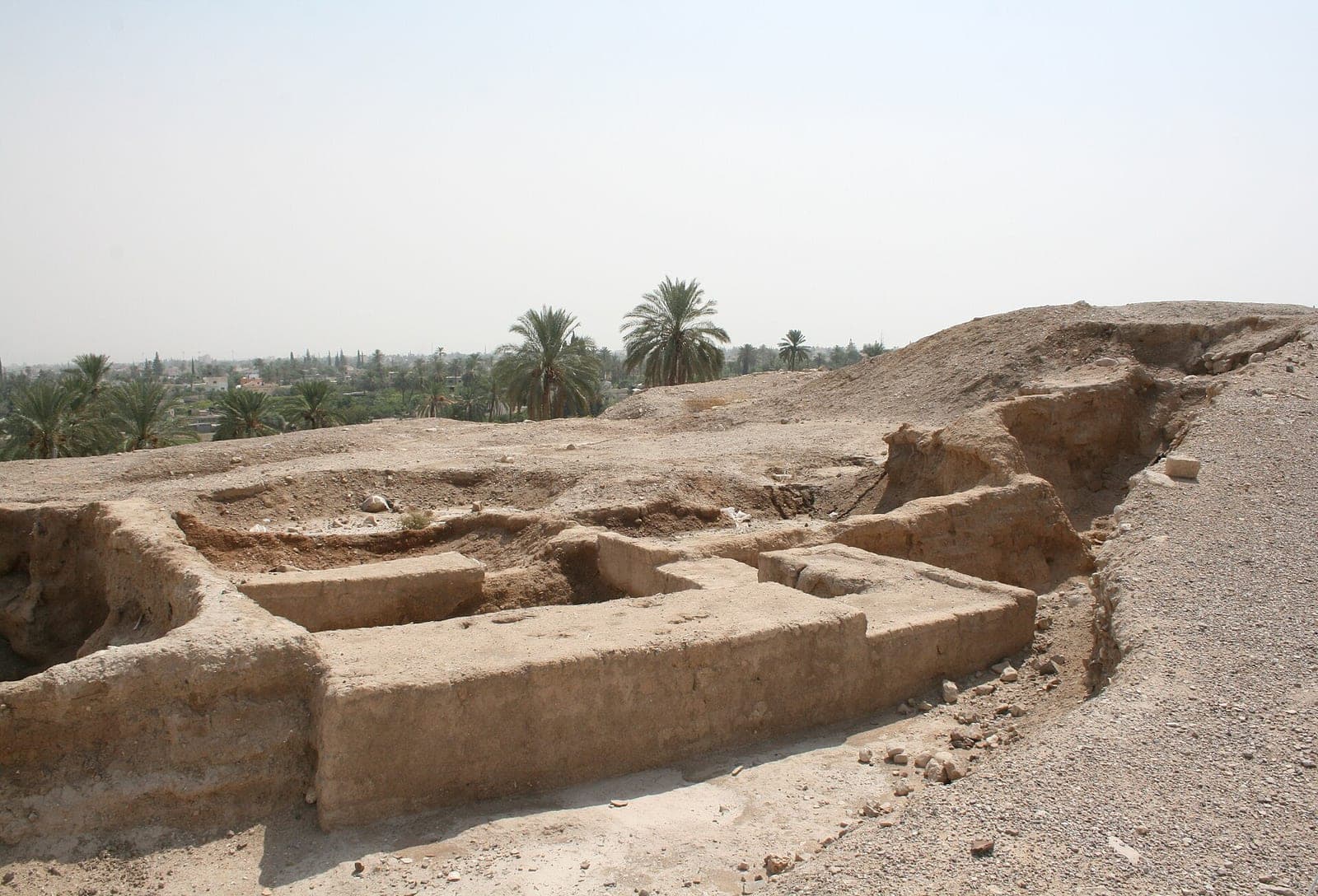
Photo: Diego Delso, via Wikimedia Commons. License: CC BY-SA 3.0. Source. Location: Tell es-Sultan, Jericho, West Bank. Resized for the web.
Explore the places of the Bible
See where biblical events happened, why each place matters, and what archaeology helps us understand.
Jericho
The city of palm trees, whose walls fell in Joshua's day.
Get full access with one subscription
Explore the people and places of the Bible. Read summaries of every book, with images and clear explanations covering every chapter. Access all these features and our Bible study tools with one subscription.
See PlansAsk AI about 1 Samuel 15:33
Ask a question about this verse and get a clear answer, with Bible references you can read for yourself.
Every Bible book, explained chapter by chapter
Explore summaries of every book of the Bible, with images and easy-to-understand explanations covering every chapter.
Keep studying 1 Samuel 15:33
Related Bible verses
Key themes
Related topics
At a Glance — the Book of 1 Samuel
- Author
- Traditionally attributed to Samuel, Nathan, and Gad
- Written
- Around 930 BC
- Genre
- Historical narrative
- Original Audience
- The Israelites of the early monarchy
Frequently Asked Questions
Quick, clear answers about this verse
What does 1 Samuel 15:33 mean?
1 Samuel 15:33 shows Samuel confronting King Agag about the suffering he caused, particularly to women who lost their children due to his violence. Samuel's declaration that Agag's mother will also be childless emphasizes the principle of justice and the consequences of one's actions.
What themes are present in 1 Samuel 15:33?
The themes in 1 Samuel 15:33 include justice, consequences, leadership, accountability, and compassion. The verse highlights the impact of one's actions on others and the importance of making responsible choices.
How does 1 Samuel 15:33 relate to accountability?
1 Samuel 15:33 emphasizes accountability by showing that Agag's violent actions led to severe consequences, not just for him but also for his family. It serves as a reminder that leaders must be responsible for the harm they cause.
What lesson can we learn from 1 Samuel 15:33?
From 1 Samuel 15:33, we learn the importance of reflecting on our actions and their impact on others. It encourages us to choose compassion and responsibility in our interactions, rather than causing harm.
Daily Verse — straight to your inbox
A verse and a 2-sentence plain-English explanation, every morning. Free. Unsubscribe anytime.