Old Testament
1 Samuel 16:9
Read the Bible in clear, modern English—easy to understand, faithful to the meaning, and written for everyday readers.
Next Jesse brought Shammah forward. Again Samuel said, "The LORD hasn't chosen this one either."
Compare translations
Then Jesse made Shammah to pass by. And he said, Neither hath the LORD chosen this.
What 1 Samuel 16:9 means
Plain-English insight for readers
In this moment, Jesse presents his son Shammah to Samuel, who is looking for the next king of Israel. However, Samuel quickly realizes that Shammah is not the one God has chosen. This scene highlights the importance of divine selection over human judgment. Samuel is guided by God’s direction, not by appearances or expectations. Each son that Jesse brings forward is met with the same response: God has not chosen him. This emphasizes that God sees beyond the surface and knows the heart of each individual. It’s a reminder that our understanding can be limited, and we should seek God’s insight in our decisions. The process of finding the right leader is deliberate and requires patience, as God’s choices often differ from our own. Ultimately, this passage teaches us to trust in God’s wisdom and timing, even when it seems like the obvious choice is right in front of us. It encourages us to look deeper and seek what truly matters in ourselves and others, beyond just the outward appearances.
How to apply 1 Samuel 16:9 to your life
When making decisions, remember to look beyond the surface. Consider the qualities that truly matter in yourself and others. Trust that God has a plan and will guide you to the right choices if you seek His wisdom. Be patient as you wait for clarity in your path forward. Your understanding may grow deeper with time and reflection, leading to better outcomes in your life decisions.
Curated for this public verse page. 1 Samuel Summary
Learn the Bible through its people and places
Get to know the people in Scripture through illustrated stories, and explore the places where they lived and traveled.

Illustrated scene from David's story: Samuel Anoints David (1 Samuel 16:1–13)
Meet the people of the Bible
Follow their lives in order, with illustrated scenes and Bible passages that tell their stories.
 David
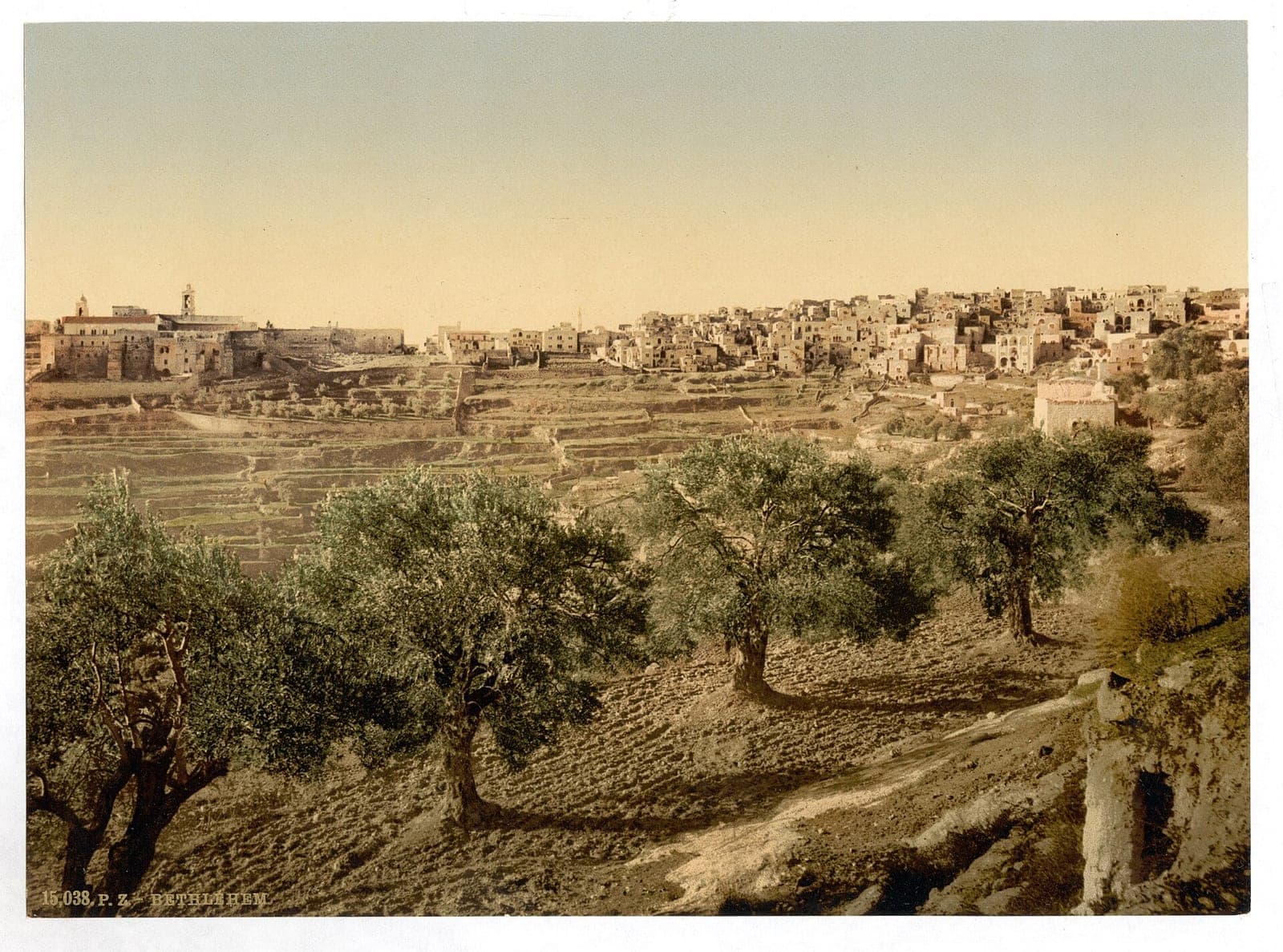
Photo: Photochrom print, Library of Congress Prints and Photographs Division (LCCN 2002724966). License: Public domain in the United States; Library of Congress states no known restrictions on publication. Source. Location: Bethlehem, West Bank; print preserved by the Library of Congress. Resized for the web.
Explore the places of the Bible
See where biblical events happened, why each place matters, and what archaeology helps us understand.
Bethlehem
David's hometown, and the town where Jesus was born.
Get full access with one subscription
Explore the people and places of the Bible. Read summaries of every book, with images and clear explanations covering every chapter. Access all these features and our Bible study tools with one subscription.
See PlansAsk AI about 1 Samuel 16:9
Ask a question about this verse and get a clear answer, with Bible references you can read for yourself.
Every Bible book, explained chapter by chapter
Explore summaries of every book of the Bible, with images and easy-to-understand explanations covering every chapter.
Keep studying 1 Samuel 16:9
Related Bible verses
Key themes
At a Glance — the Book of 1 Samuel
- Author
- Traditionally attributed to Samuel, Nathan, and Gad
- Written
- Around 930 BC
- Genre
- Historical narrative
- Original Audience
- The Israelites of the early monarchy
Frequently Asked Questions
Quick, clear answers about this verse
What does 1 Samuel 16:9 mean?
1 Samuel 16:9 describes the moment when Jesse presents his son Shammah to Samuel, who is seeking the next king of Israel. Samuel realizes that Shammah is not the chosen one, highlighting that God's selection is based on deeper qualities rather than outward appearances.
What is the significance of divine selection in 1 Samuel 16:9?
The significance of divine selection in this verse is that it emphasizes God's authority in choosing leaders. It shows that God looks at the heart and character of individuals, rather than their physical attributes or human expectations.
What does this verse teach about human judgment?
This verse teaches that human judgment can be limited and often relies on appearances. Samuel's experience illustrates the importance of seeking God's insight when making decisions, as His choices may differ from our initial perceptions.
What qualities does God look for according to 1 Samuel 16:9?
According to 1 Samuel 16:9, God looks for qualities that reflect a person's heart and character rather than their outward appearance. This suggests that inner virtues and integrity are more important in God's eyes.
Daily Verse — straight to your inbox
A verse and a 2-sentence plain-English explanation, every morning. Free. Unsubscribe anytime.