Old Testament
1 Samuel 24:17
Read the Bible in clear, modern English—easy to understand, faithful to the meaning, and written for everyday readers.
He said to David, "You are a better man than I am. You've repaid me with kindness, while I've repaid you with cruelty.
Compare translations
And he said to David, Thou art more righteous than I: for thou hast rewarded me good, whereas I have rewarded thee evil.
What 1 Samuel 24:17 means
Plain-English insight for readers
In this moment, King Saul acknowledges David's integrity and kindness. Despite being pursued and treated unfairly by Saul, David responds with compassion. Saul recognizes that David has acted righteously, while he himself has acted out of jealousy and malice. This exchange highlights the contrast between their characters. David's goodness shines through even in the face of adversity, while Saul admits his wrongdoing. It’s a powerful reminder of how our actions can reflect our true nature. Saul's admission is a moment of vulnerability, showing that even those in power can recognize their faults. This story encourages us to choose kindness over cruelty, even when we are wronged. It teaches us that responding with grace can reveal our strength and character, making a lasting impact on others. David's example inspires us to rise above negativity and to act with integrity, regardless of how we are treated by others. This moment is a turning point, emphasizing the importance of humility and the power of forgiveness in our relationships.
How to apply 1 Samuel 24:17 to your life
When faced with unfair treatment, consider how you can respond with kindness instead of retaliation. Reflect on your actions and strive to act with integrity, even when others do not. This approach can transform relationships and create a positive impact on those around you. Choose to be a source of light in dark situations, just like David did. Your response can inspire others to do the same, fostering a culture of compassion.
Curated for this public verse page. 1 Samuel Summary
Learn the Bible through its people and places
Get to know the people in Scripture through illustrated stories, and explore the places where they lived and traveled.

Illustrated scene from David's story: David Spares Saul in the Cave (1 Samuel 24:1–22)
Meet the people of the Bible
Follow their lives in order, with illustrated scenes and Bible passages that tell their stories.
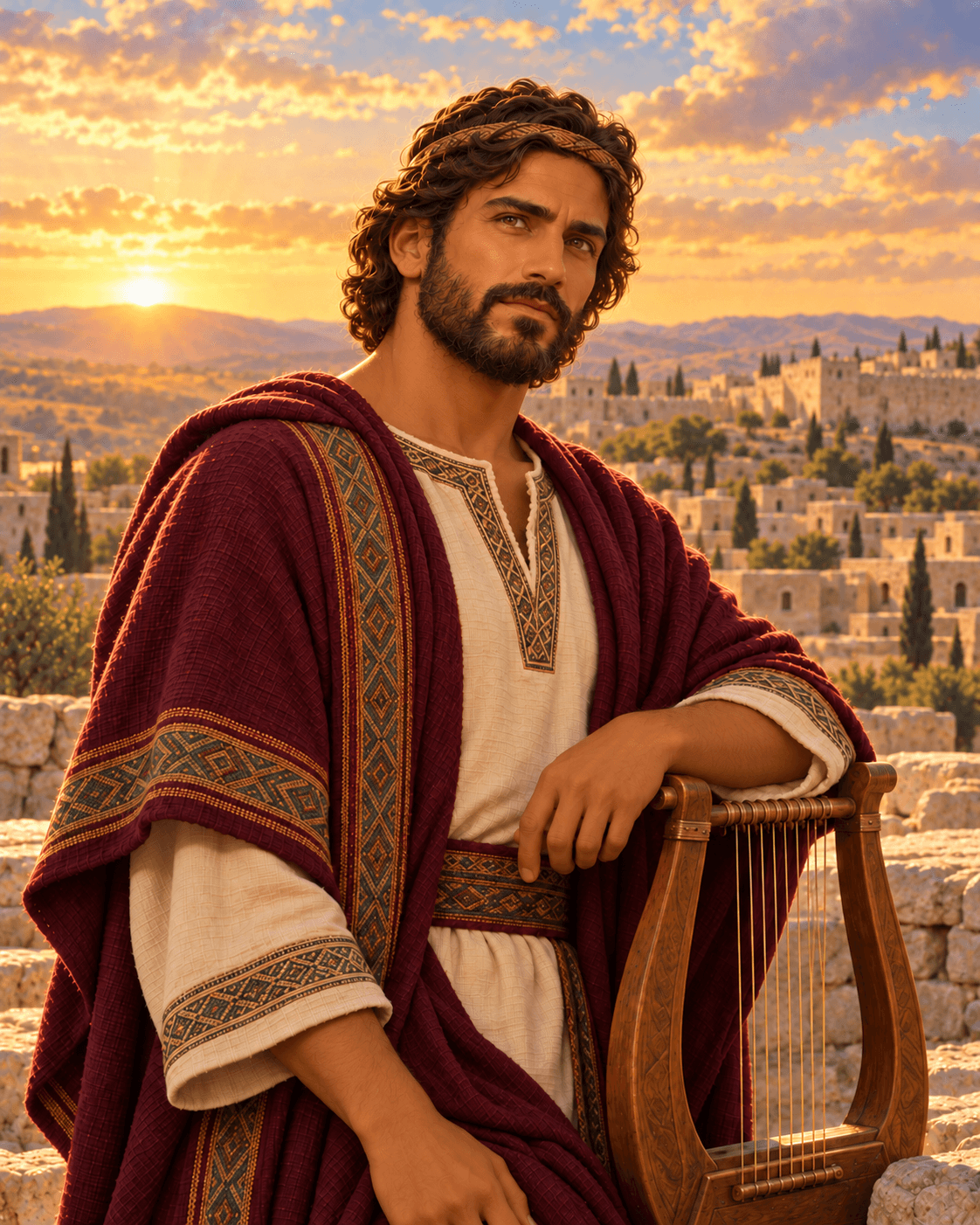 David
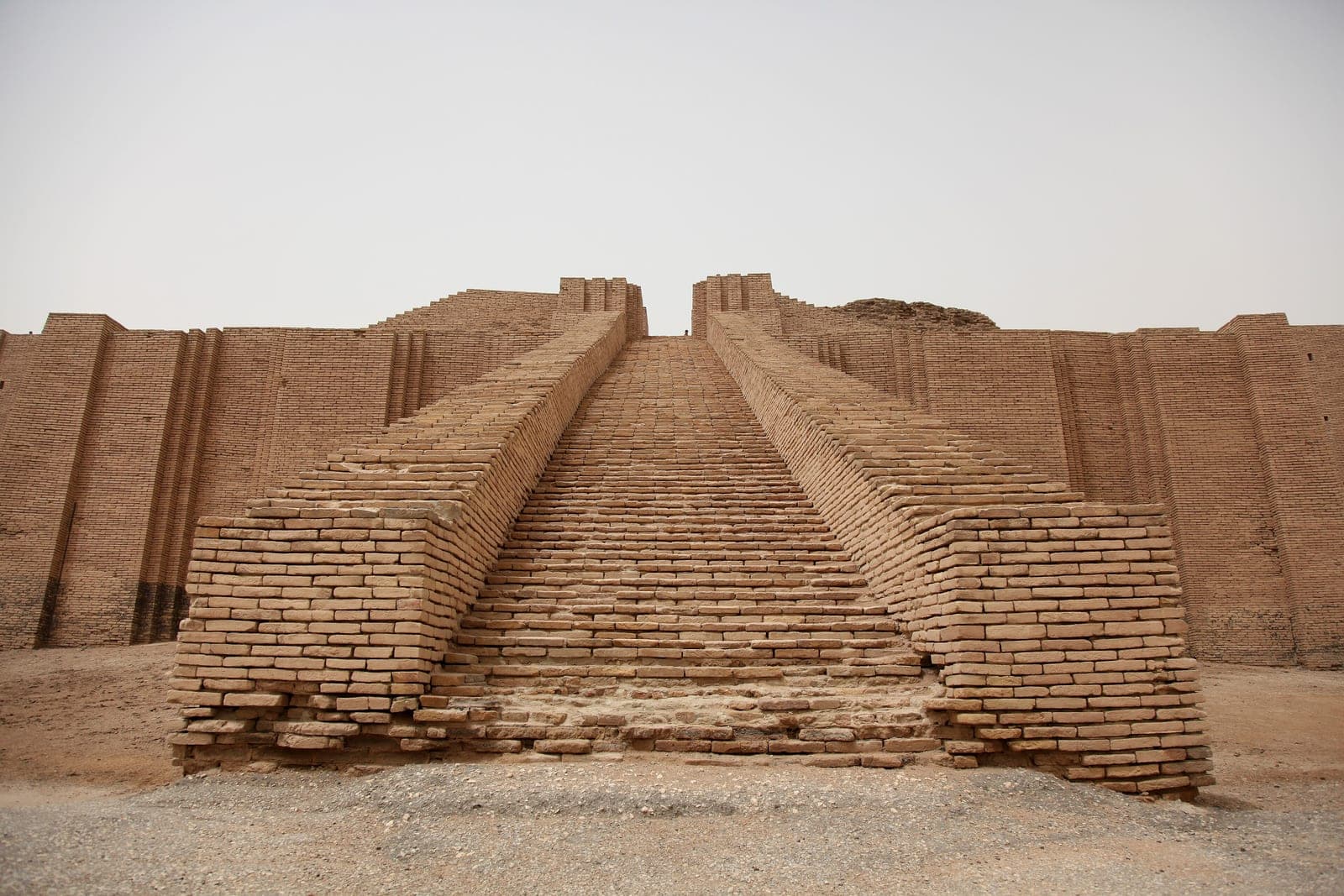
Photo: U.S. Army photo by Spc. Samantha R. Ciaramitaro, via DVIDS and Wikimedia Commons. License: Public domain in the United States — U.S. federal-government work. Source. Location: Great Ziggurat, Ur Archaeological City (Tell el-Mukayyar), Dhi Qar Governorate, Iraq. Resized for the web.
Explore the places of the Bible
See where biblical events happened, why each place matters, and what archaeology helps us understand.
Ur
The city Abram's family left to travel toward Canaan.
Get full access with one subscription
Explore the people and places of the Bible. Read summaries of every book, with images and clear explanations covering every chapter. Access all these features and our Bible study tools with one subscription.
See PlansAsk AI about 1 Samuel 24:17
Ask a question about this verse and get a clear answer, with Bible references you can read for yourself.
Every Bible book, explained chapter by chapter
Explore summaries of every book of the Bible, with images and easy-to-understand explanations covering every chapter.
Keep studying 1 Samuel 24:17
Related Bible verses
Related topics
At a Glance — the Book of 1 Samuel
- Author
- Traditionally attributed to Samuel, Nathan, and Gad
- Written
- Around 930 BC
- Genre
- Historical narrative
- Original Audience
- The Israelites of the early monarchy
Frequently Asked Questions
Quick, clear answers about this verse
What does 1 Samuel 24:17 mean?
1 Samuel 24:17 captures a moment where King Saul acknowledges David's righteousness and kindness despite his own cruel actions. Saul admits that David has treated him well while he has acted out of jealousy, highlighting the contrast between their characters.
What is the significance of Saul's admission in 1 Samuel 24:17?
Saul's admission in 1 Samuel 24:17 is significant because it shows his vulnerability and recognition of his own faults. This moment emphasizes the importance of humility and the impact of choosing kindness over cruelty.
How does 1 Samuel 24:17 relate to forgiveness?
1 Samuel 24:17 relates to forgiveness by illustrating how David responds with compassion despite being wronged by Saul. This exchange encourages the idea that responding with grace can heal relationships and demonstrate true character.
What themes are present in 1 Samuel 24:17?
The themes present in 1 Samuel 24:17 include kindness, integrity, forgiveness, humility, and the contrast of character between David and Saul. These themes highlight the moral choices individuals face in difficult situations.
Daily Verse — straight to your inbox
A verse and a 2-sentence plain-English explanation, every morning. Free. Unsubscribe anytime.