Old Testament
1 Samuel 28:11
Read the Bible in clear, modern English—easy to understand, faithful to the meaning, and written for everyday readers.
The woman asked, "Who do you want me to bring up?" He answered, "Bring up Samuel."
Compare translations
Then said the woman, Whom shall I bring up unto thee? And he said, Bring me up Samuel.
What 1 Samuel 28:11 means
Plain-English insight for readers
In this moment, a woman with a special ability to communicate with the dead is asked by King Saul to summon the prophet Samuel. Saul, desperate for guidance, seeks out Samuel's wisdom, even though he had previously rejected God’s counsel. The woman, unsure of the consequences, asks whom she should bring up. Saul's response is clear: he wants to speak with Samuel. This encounter highlights Saul's deep fear and isolation, as he turns to a forbidden practice in his time of need. It shows how far he has strayed from his faith and the consequences of his choices. The act of summoning Samuel reveals Saul's desperation and the lengths he will go to find answers. This moment is pivotal, as it underscores the tension between seeking divine guidance and resorting to questionable means. It serves as a reminder of the importance of staying true to one's beliefs and the dangers of straying from them, especially in times of crisis. Saul's request ultimately leads to a profound revelation about his fate.
How to apply 1 Samuel 28:11 to your life
When faced with tough decisions, it’s easy to seek answers in the wrong places. Instead of turning to questionable sources, remember to rely on your values and beliefs. Trust that true guidance comes from within and through honest reflection. Stay connected to what you believe in, especially during challenging times. This will lead to clearer choices and peace of mind.
Curated for this public verse page. 1 Samuel Summary
Learn the Bible through its people and places
Get to know the people in Scripture through illustrated stories, and explore the places where they lived and traveled.

Illustrated scene from Samuel's story: Saul and the Medium at Endor (1 Samuel 28:3–25)
Meet the people of the Bible
Follow their lives in order, with illustrated scenes and Bible passages that tell their stories.
 Samuel
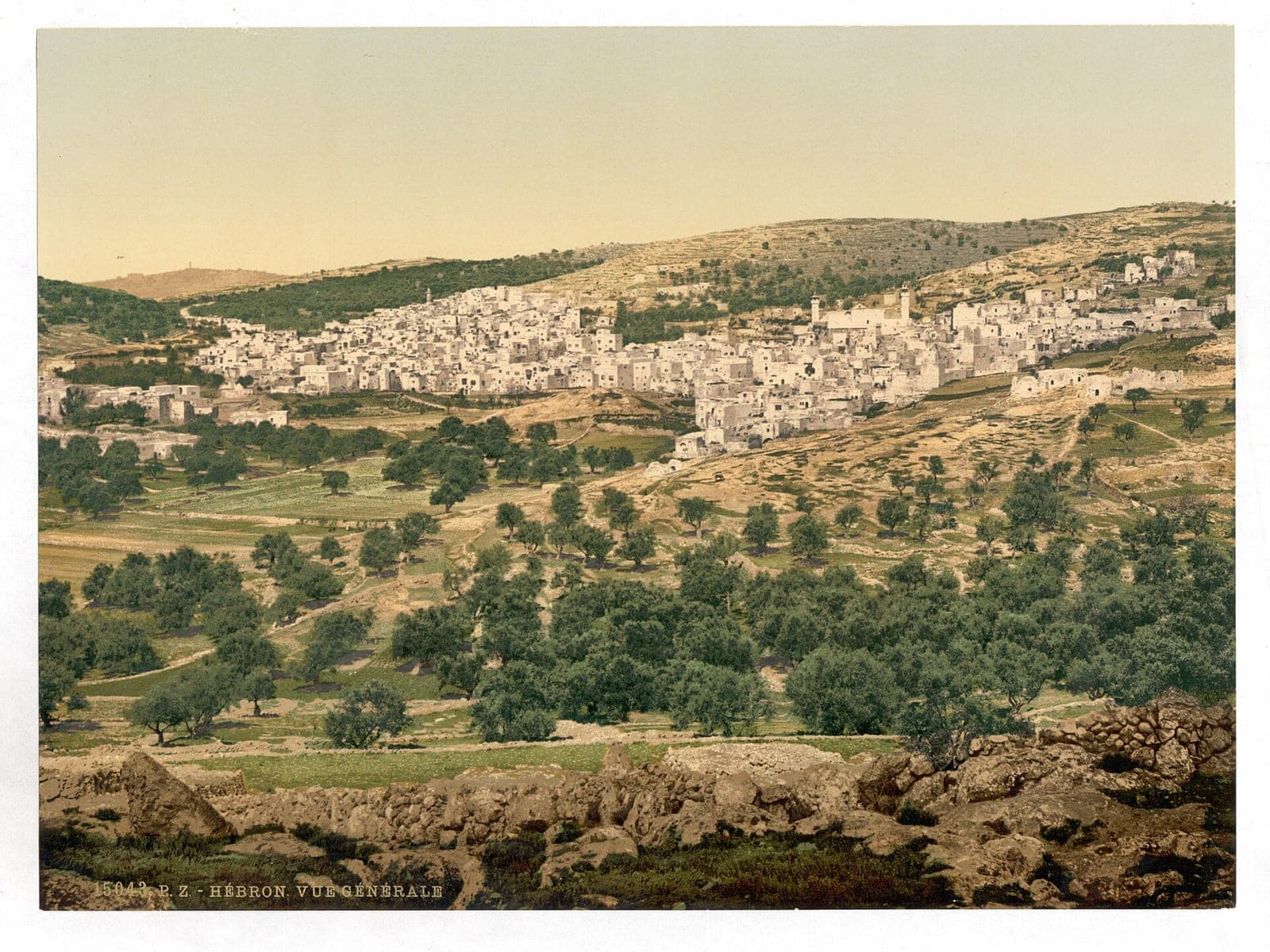
Photo: Photochrom print, Library of Congress Prints and Photographs Division (LCCN 2002724987). License: Public domain in the United States; Library of Congress states no known restrictions on publication. Source. Location: Hebron, West Bank; print preserved by the Library of Congress. Resized for the web.
Explore the places of the Bible
See where biblical events happened, why each place matters, and what archaeology helps us understand.
Hebron
Where Abraham lived and buried Sarah, and where David was first made king.
Get full access with one subscription
Explore the people and places of the Bible. Read summaries of every book, with images and clear explanations covering every chapter. Access all these features and our Bible study tools with one subscription.
See PlansAsk AI about 1 Samuel 28:11
Ask a question about this verse and get a clear answer, with Bible references you can read for yourself.
Every Bible book, explained chapter by chapter
Explore summaries of every book of the Bible, with images and easy-to-understand explanations covering every chapter.
Keep studying 1 Samuel 28:11
Related Bible verses
Key themes
Related topics
At a Glance — the Book of 1 Samuel
- Author
- Traditionally attributed to Samuel, Nathan, and Gad
- Written
- Around 930 BC
- Genre
- Historical narrative
- Original Audience
- The Israelites of the early monarchy
Frequently Asked Questions
Quick, clear answers about this verse
What does 1 Samuel 28:11 mean?
In 1 Samuel 28:11, King Saul asks a medium to summon the deceased prophet Samuel. This moment illustrates Saul's desperation for guidance after rejecting God's counsel. It highlights the tension between seeking divine wisdom and resorting to forbidden practices, emphasizing the consequences of straying from faith.
Why did Saul consult a medium in 1 Samuel 28?
Saul consulted a medium because he was in a state of fear and desperation, feeling abandoned by God as the Philistines threatened Israel. He sought Samuel's wisdom to gain insight into his future, despite knowing that consulting mediums was against God's laws. This act reflects his deep isolation and the lengths he would go to find answers.
What can we learn from Saul's actions in this verse?
Saul's actions serve as a cautionary tale about the dangers of seeking guidance from questionable sources when faced with difficult decisions. It reminds us to stay true to our beliefs and values, especially in times of crisis, and to seek guidance through prayer and reflection rather than turning to practices that conflict with our faith.
What is the significance of Samuel's summoning?
The summoning of Samuel is significant as it represents Saul's ultimate act of desperation and his acknowledgment of his failures. It leads to a profound revelation about his fate, showing that turning to forbidden practices can have serious consequences. This encounter underscores the importance of faith and the dangers of abandoning it.
Daily Verse — straight to your inbox
A verse and a 2-sentence plain-English explanation, every morning. Free. Unsubscribe anytime.