Old Testament
1 Samuel 7:8
Read the Bible in clear, modern English—easy to understand, faithful to the meaning, and written for everyday readers.
The Israelites said to Samuel, "Do not stop crying out to the LORD our God for us, that he will save us from the Philistines."
Compare translations
And the children of Israel said to Samuel, Cease not to cry unto the LORD our God for us, that he will save us out of the hand of the Philistines.
What 1 Samuel 7:8 means
Plain-English insight for readers
In this moment, the Israelites are in a desperate situation, facing the threat of the Philistines. They turn to Samuel, their leader and prophet, asking him to keep praying to God on their behalf. They believe that only through Samuel's prayers can they find salvation from their enemies. This reflects their deep reliance on God and the importance of intercession. The Israelites recognize that they cannot save themselves and need divine help. Their plea shows a collective faith and urgency, highlighting the power of prayer in times of crisis. It’s a reminder that seeking help from God, especially through others, can lead to deliverance. This moment emphasizes the importance of community and faith in overcoming challenges, as they unite in their request for divine intervention. Their trust in God’s ability to save them is a powerful testament to their faith and hope for a better future, even in the face of overwhelming odds. It encourages us to seek support and pray for one another in our struggles, knowing that we are not alone.
How to apply 1 Samuel 7:8 to your life
When facing challenges, remember the power of prayer and community support. Don’t hesitate to ask others to pray for you, just as the Israelites did. Together, we can find strength and hope in difficult times, trusting that help is available when we seek it earnestly. Stay connected with those who uplift your spirit and faith in God’s promises.
Curated for this public verse page. 1 Samuel Summary
Learn the Bible through its people and places
Get to know the people in Scripture through illustrated stories, and explore the places where they lived and traveled.

Illustrated scene from Samuel's story: The Stone Called Ebenezer (1 Samuel 7:2–17)
Meet the people of the Bible
Follow their lives in order, with illustrated scenes and Bible passages that tell their stories.
 Samuel
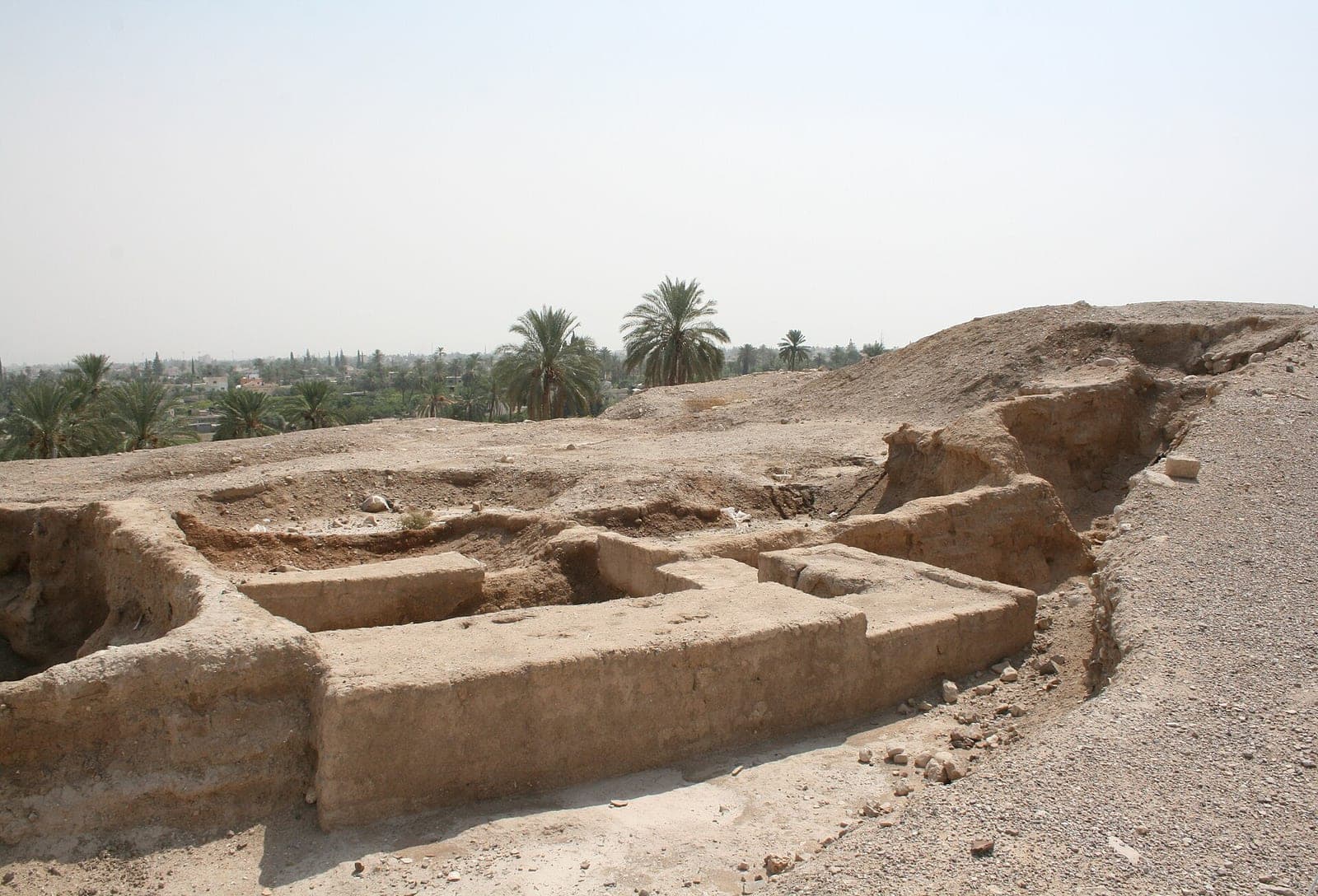
Photo: Diego Delso, via Wikimedia Commons. License: CC BY-SA 3.0. Source. Location: Tell es-Sultan, Jericho, West Bank. Resized for the web.
Explore the places of the Bible
See where biblical events happened, why each place matters, and what archaeology helps us understand.
Jericho
The city of palm trees, whose walls fell in Joshua's day.
Get full access with one subscription
Explore the people and places of the Bible. Read summaries of every book, with images and clear explanations covering every chapter. Access all these features and our Bible study tools with one subscription.
See PlansAsk AI about 1 Samuel 7:8
Ask a question about this verse and get a clear answer, with Bible references you can read for yourself.
Every Bible book, explained chapter by chapter
Explore summaries of every book of the Bible, with images and easy-to-understand explanations covering every chapter.
Keep studying 1 Samuel 7:8
Related Bible verses
Key themes
Related topics
At a Glance — the Book of 1 Samuel
- Author
- Traditionally attributed to Samuel, Nathan, and Gad
- Written
- Around 930 BC
- Genre
- Historical narrative
- Original Audience
- The Israelites of the early monarchy
Frequently Asked Questions
Quick, clear answers about this verse
What does 1 Samuel 7:8 teach about prayer?
1 Samuel 7:8 highlights the importance of prayer, especially intercessory prayer. The Israelites ask Samuel to continue praying for them, showing their belief that prayer can lead to divine intervention. This verse teaches us that in times of crisis, seeking help through prayer, both individually and collectively, can be a powerful means of finding strength and hope.
Why did the Israelites ask Samuel to pray for them?
The Israelites asked Samuel to pray for them because they were facing a serious threat from the Philistines and felt helpless. They recognized Samuel as a prophet and leader who had a direct connection to God. Their request reflects their understanding that they needed divine assistance to overcome their enemies, emphasizing the role of leaders in spiritual intercession.
How can we apply the lessons from 1 Samuel 7:8 today?
We can apply the lessons from 1 Samuel 7:8 by actively seeking prayer support from friends, family, or faith leaders when facing difficulties. Just as the Israelites relied on Samuel's intercession, we should not hesitate to ask others to pray for us. This fosters a sense of community and shared faith, reminding us that we can find strength together in our challenges.
What is the significance of intercession in this verse?
Intercession is significant in 1 Samuel 7:8 as it underscores the belief that one person's prayers can impact the fate of others. The Israelites' plea for Samuel to pray for them reflects their understanding of the power of intercessory prayer. It teaches us that praying for others is a vital part of faith, showing love and support, and can lead to divine help in times of need.
Daily Verse — straight to your inbox
A verse and a 2-sentence plain-English explanation, every morning. Free. Unsubscribe anytime.