Old Testament
1 Samuel 8:7
Read the Bible in clear, modern English—easy to understand, faithful to the meaning, and written for everyday readers.
The LORD told Samuel, "Listen to everything the people are saying to you. They haven't rejected you, but they have rejected me, so that I should not reign over them."
Compare translations
And the LORD said unto Samuel, Hearken unto the voice of the people in all that they say unto thee: for they have not rejected thee, but they have rejected me, that I should not reign over them.
What 1 Samuel 8:7 means
Plain-English insight for readers
In this moment, God speaks to Samuel, who is feeling rejected by the people he has served. The people want a king to lead them, which God sees as a rejection of His authority. God reassures Samuel that their desire for a king is not a personal attack on him, but rather a choice to turn away from God’s direct leadership. This highlights a significant truth: when we seek to replace God with something else, we miss out on His perfect guidance. The people’s request for a king reflects a common human tendency to want control and security in our lives. God’s response reminds us that true leadership comes from Him, and when we choose to follow our own desires over His, we are ultimately rejecting His reign in our lives. This passage invites us to reflect on our own choices and consider whether we are allowing God to lead us or if we are seeking our own way instead. It’s a call to trust in God’s plan rather than relying solely on human solutions or authority. It’s about recognizing who truly deserves to lead us.
How to apply 1 Samuel 8:7 to your life
Consider areas in your life where you might be seeking control instead of trusting God. Reflect on whether you are allowing God to lead you or if you are relying on your own understanding. Surrendering to God can bring peace and clarity in decision-making. Trusting Him means recognizing His authority in your life and following His guidance wholeheartedly. Embrace His leadership today!
Curated for this public verse page. 1 Samuel Summary
Learn the Bible through its people and places
Get to know the people in Scripture through illustrated stories, and explore the places where they lived and traveled.

Illustrated scene from Samuel's story: Israel Asks for a King (1 Samuel 8:1–22)
Meet the people of the Bible
Follow their lives in order, with illustrated scenes and Bible passages that tell their stories.
 Samuel
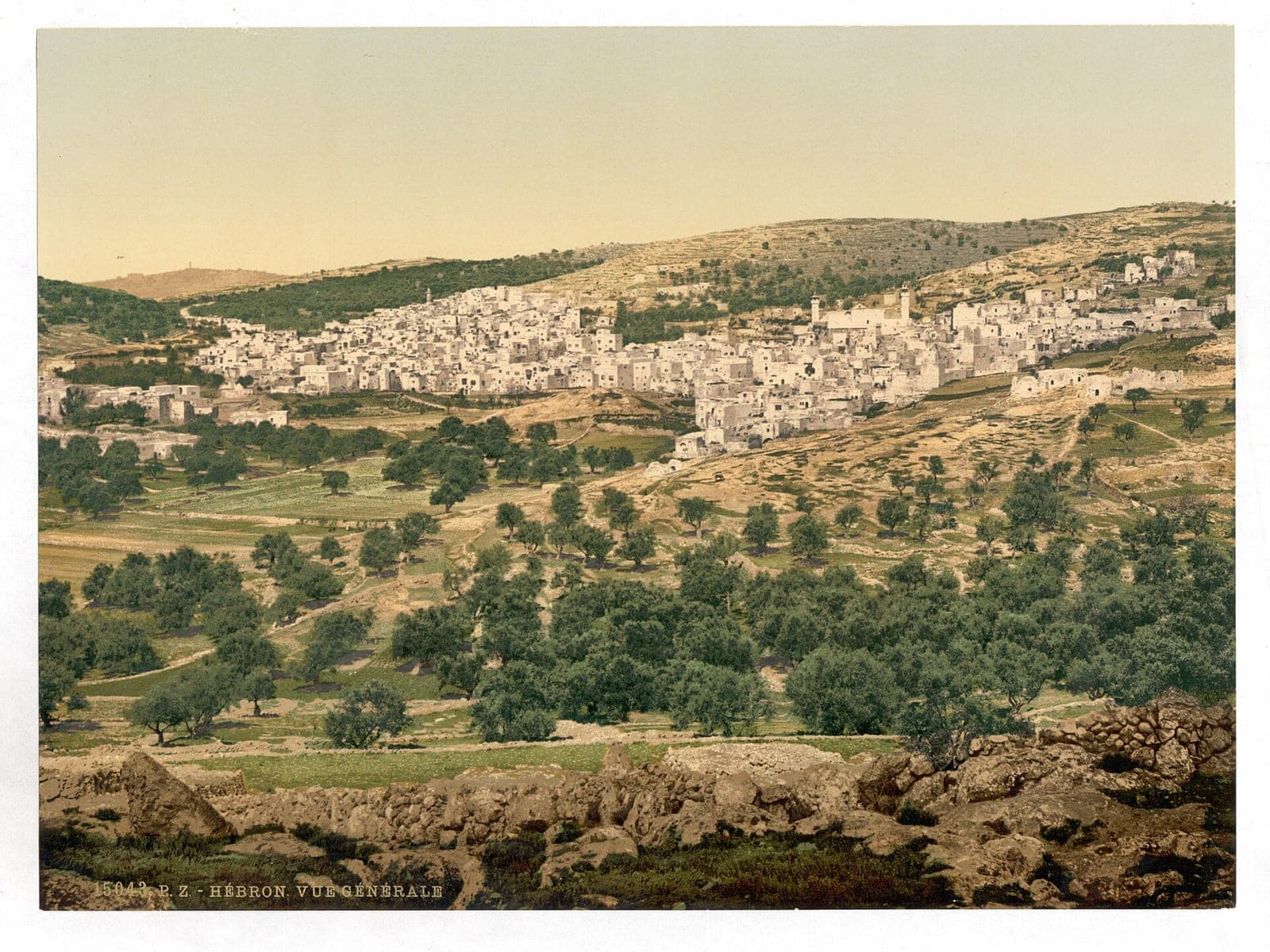
Photo: Photochrom print, Library of Congress Prints and Photographs Division (LCCN 2002724987). License: Public domain in the United States; Library of Congress states no known restrictions on publication. Source. Location: Hebron, West Bank; print preserved by the Library of Congress. Resized for the web.
Explore the places of the Bible
See where biblical events happened, why each place matters, and what archaeology helps us understand.
Hebron
Where Abraham lived and buried Sarah, and where David was first made king.
Get full access with one subscription
Explore the people and places of the Bible. Read summaries of every book, with images and clear explanations covering every chapter. Access all these features and our Bible study tools with one subscription.
See PlansAsk AI about 1 Samuel 8:7
Ask a question about this verse and get a clear answer, with Bible references you can read for yourself.
Fuller verse explanations
Explore what a verse means, what was happening around it, and how it connects to other Bible passages.
Plain Meaning
God tells Samuel to do what the people ask. Samuel was hurt that they wanted a king instead of him as their leader. God corrects that feeling: the people are not pushing Samuel aside — they are pushing God aside. They want a human king so that God will no longer be the one ruling over them. God takes their demand personally, not Samuel.
Read It in Context
The elders of Israel came to Samuel and asked for a king, saying Samuel was old and his sons were corrupt. Samuel was upset by the request and prayed to God. This verse is God's answer to that prayer.
The full Clear view adds what to notice, common misreadings, and the passage that best explains this one — for 1 Samuel 8:7 and any verse in the Bible.
Every Bible book, explained chapter by chapter
Explore summaries of every book of the Bible, with images and easy-to-understand explanations covering every chapter.
Keep studying 1 Samuel 8:7
Related Bible verses
Key themes
At a Glance — the Book of 1 Samuel
- Author
- Traditionally attributed to Samuel, Nathan, and Gad
- Written
- Around 930 BC
- Genre
- Historical narrative
- Original Audience
- The Israelites of the early monarchy
Frequently Asked Questions
Quick, clear answers about this verse
What does 1 Samuel 8:7 mean?
1 Samuel 8:7 means that when the Israelites asked for a king, they were rejecting God's direct authority over them. God reassures Samuel that their desire for a king is not a personal rejection of him but a choice to turn away from God's leadership.
What is the significance of rejecting God in 1 Samuel 8:7?
The significance of rejecting God in this verse highlights humanity's tendency to seek control and security through human leadership instead of trusting in God's guidance. It shows that turning away from God can lead to missing out on His perfect plan for our lives.
How does 1 Samuel 8:7 relate to trusting God's leadership?
1 Samuel 8:7 relates to trusting God's leadership by illustrating the importance of surrendering our desire for control. It encourages us to reflect on whether we are allowing God to lead us or if we are seeking our own way instead.
What lessons can we learn from 1 Samuel 8:7 about leadership?
From 1 Samuel 8:7, we learn that true leadership comes from God, and seeking to replace Him with human authority can lead to poor decisions. It teaches us to embrace God's leadership and trust in His plans for our lives.
Daily Verse — straight to your inbox
A verse and a 2-sentence plain-English explanation, every morning. Free. Unsubscribe anytime.