New Testament
2 Corinthians 11:21
Read the Bible in clear, modern English—easy to understand, faithful to the meaning, and written for everyday readers.
I'm ashamed to admit that we were apparently too "weak" for that kind of behavior. But whatever anyone else dares to boast about — I'm speaking foolishly here — I dare to boast about it too.
Compare translations
I speak as concerning reproach, as though we had been weak. Howbeit whereinsoever any is bold, (I speak foolishly,) I am bold also.
What 2 Corinthians 11:21 means
Plain-English insight for readers
In this verse, Paul expresses a sense of embarrassment about being perceived as weak compared to others who boast about their strengths. He acknowledges that he is speaking foolishly by engaging in this kind of boasting. Paul is highlighting the absurdity of comparing oneself to others based on superficial achievements or status. He seems to be saying that if boasting is the game, he can play too, even if it feels out of character for him. This reflects a deeper message about the nature of true strength and weakness. Paul’s point is that true strength often lies in humility and authenticity, rather than in bravado or self-promotion. He challenges the idea that outward appearances or accomplishments define worth. Instead, he invites readers to consider what real strength looks like in their lives, which often involves vulnerability and honesty. This perspective encourages us to rethink how we measure success and value in ourselves and others, moving beyond mere appearances.
How to apply 2 Corinthians 11:21 to your life
Consider how you measure your worth. Are you comparing yourself to others based on their achievements? Instead, focus on your unique strengths and the value you bring to the world. Embrace your vulnerabilities as part of your journey toward true strength and authenticity. Remember, real confidence comes from being true to yourself, not from boasting about accomplishments that may not reflect your true character.
Curated for this public verse page. 2 Corinthians Summary
Explore more of the Bible
Learn the Bible through its people and places
Get to know the people in Scripture through illustrated stories, and explore the places where they lived and traveled.
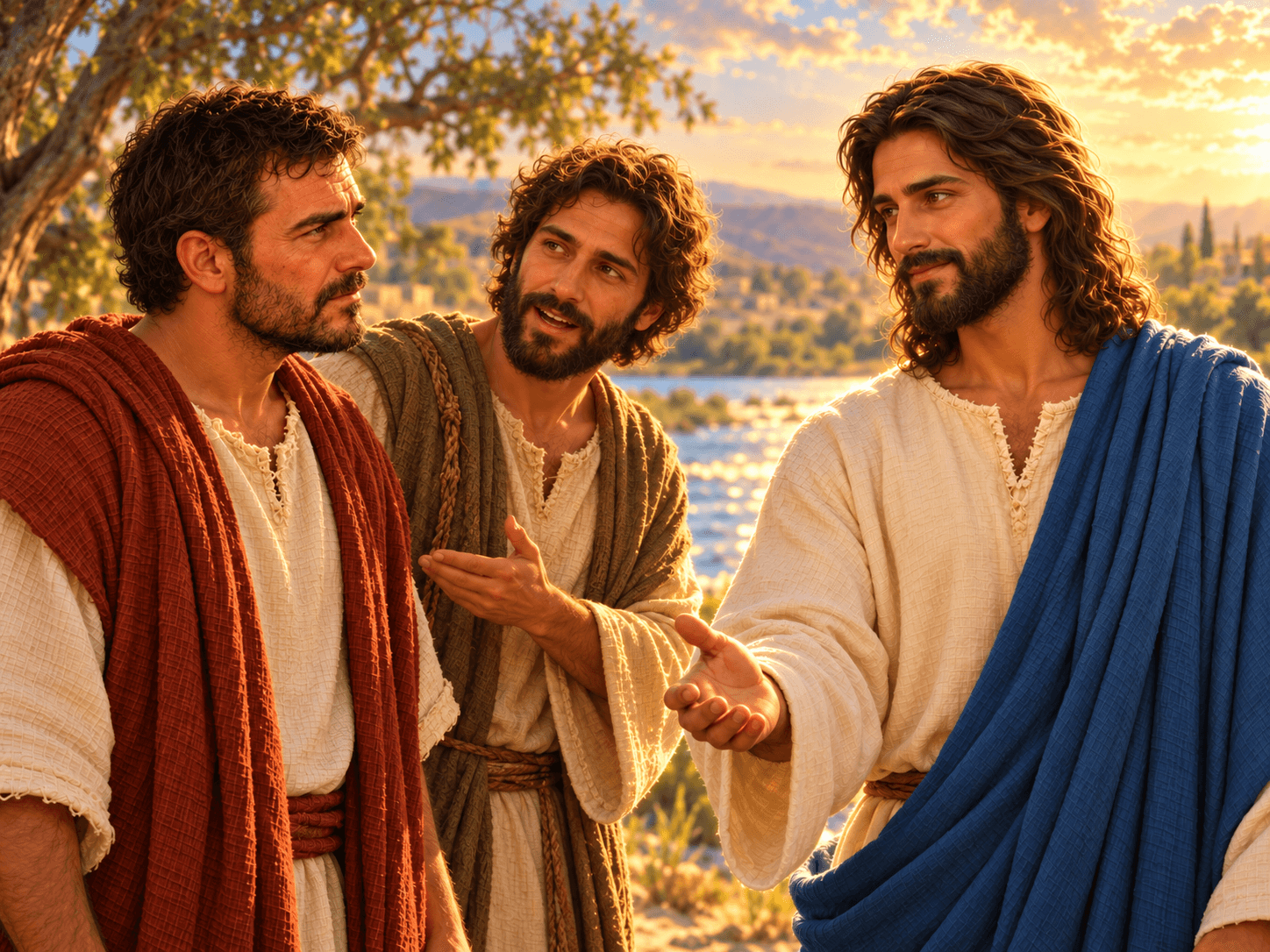
Illustrated scene from Peter's story: Andrew Brings Simon to Jesus (John 1:40–42)
Meet the people of the Bible
Follow their lives in order, with illustrated scenes and Bible passages that tell their stories.
 Peter

Photo: Photochrom print, Library of Congress Prints and Photographs Division (LCCN 2002725045). License: Public domain in the United States; Library of Congress states no known restrictions on publication. Source. Location: Nazareth, Israel; print preserved by the Library of Congress. Resized for the web.
Explore the places of the Bible
See where biblical events happened, why each place matters, and what archaeology helps us understand.
Nazareth
The small town in Galilee where Jesus grew up.
Get full access with one subscription
Explore the people and places of the Bible. Read summaries of every book, with images and clear explanations covering every chapter. Access all these features and our Bible study tools with one subscription.
See PlansAsk AI about 2 Corinthians 11:21
Ask a question about this verse and get a clear answer, with Bible references you can read for yourself.
Every Bible book, explained chapter by chapter
Explore summaries of every book of the Bible, with images and easy-to-understand explanations covering every chapter.
Keep studying 2 Corinthians 11:21
Related Bible verses
Key themes
Related topics
At a Glance — the Book of 2 Corinthians
- Author
- Paul the apostle
- Written
- Around AD 56
- Genre
- Letter (epistle)
- Original Audience
- The church in Corinth
Frequently Asked Questions
Quick, clear answers about this verse
What does Paul mean by feeling 'weak' in 2 Corinthians 11:21?
In 2 Corinthians 11:21, Paul refers to feeling 'weak' in the context of being compared to others who boast about their strengths. He expresses embarrassment over being perceived as less impressive or lacking in confidence. This highlights the absurdity of boasting and suggests that true strength is found in humility and authenticity, rather than in outward displays of power or success.
Why does Paul say he is speaking 'foolishly' in this verse?
Paul calls his boasting 'foolishly' because he recognizes that engaging in comparisons and boasting about achievements is not a wise or humble practice. He uses this term to emphasize that he is stepping outside of his character to make a point about the absurdity of such behavior, ultimately challenging the notion that one's worth is defined by accomplishments.
How can I apply the message of 2 Corinthians 11:21 to my life?
To apply the message of 2 Corinthians 11:21, reflect on how you measure your self-worth. Avoid comparing yourself to others based on their achievements. Instead, focus on your unique strengths and embrace your vulnerabilities. Recognize that true confidence comes from being authentic and true to yourself, rather than from boasting about superficial accomplishments.
What themes are present in 2 Corinthians 11:21?
The themes present in 2 Corinthians 11:21 include boasting, weakness, authenticity, humility, and true strength. Paul contrasts the superficial nature of boasting with the deeper understanding of strength that comes from humility and being genuine. This encourages readers to rethink their values and how they perceive success and worth.
Daily Verse — straight to your inbox
A verse and a 2-sentence plain-English explanation, every morning. Free. Unsubscribe anytime.