Old Testament
2 Kings 11:16
Read the Bible in clear, modern English—easy to understand, faithful to the meaning, and written for everyday readers.
So they seized her and forced her out through the horse entrance of the royal palace, and there they put her to death.
Compare translations
And they laid hands on her; and she went by the way by the which the horses came into the king’s house: and there was she slain.
What 2 Kings 11:16 means
Plain-English insight for readers
In this moment, a significant and violent act takes place. The people in power decide to remove a dangerous figure, Athaliah, who had taken control of the kingdom. They force her out through the entrance where horses come in, a symbol of her disgrace. This act is not just about her removal; it represents a turning point for the nation. Athaliah's reign was marked by chaos and idolatry, and her death signifies a return to rightful leadership. The method of her execution is harsh, reflecting the seriousness of her threat to the kingdom. This event serves as a reminder of the consequences of unchecked power and the lengths people will go to protect their interests. It also highlights the importance of justice in leadership, as the people sought to restore order and righteousness in their land. The story illustrates the struggle between good and evil, and the ultimate triumph of justice over tyranny, which resonates throughout history and in our lives today. It challenges us to consider the impact of our choices and the leaders we support.
How to apply 2 Kings 11:16 to your life
Reflect on the leaders in your life and the impact they have on your community. Consider how you can support those who promote justice and righteousness. Remember that every choice you make contributes to the larger story of your community and its future. Stand up for what is right, even when it is difficult. Your actions matter in shaping a better world for everyone around you.
Curated for this public verse page. 2 Kings Summary
Explore more of the Bible
Learn the Bible through its people and places
Get to know the people in Scripture through illustrated stories, and explore the places where they lived and traveled.

Illustrated scene from Moses's story: Israel Enslaved in Egypt (Exodus 1:8–22)
Meet the people of the Bible
Follow their lives in order, with illustrated scenes and Bible passages that tell their stories.
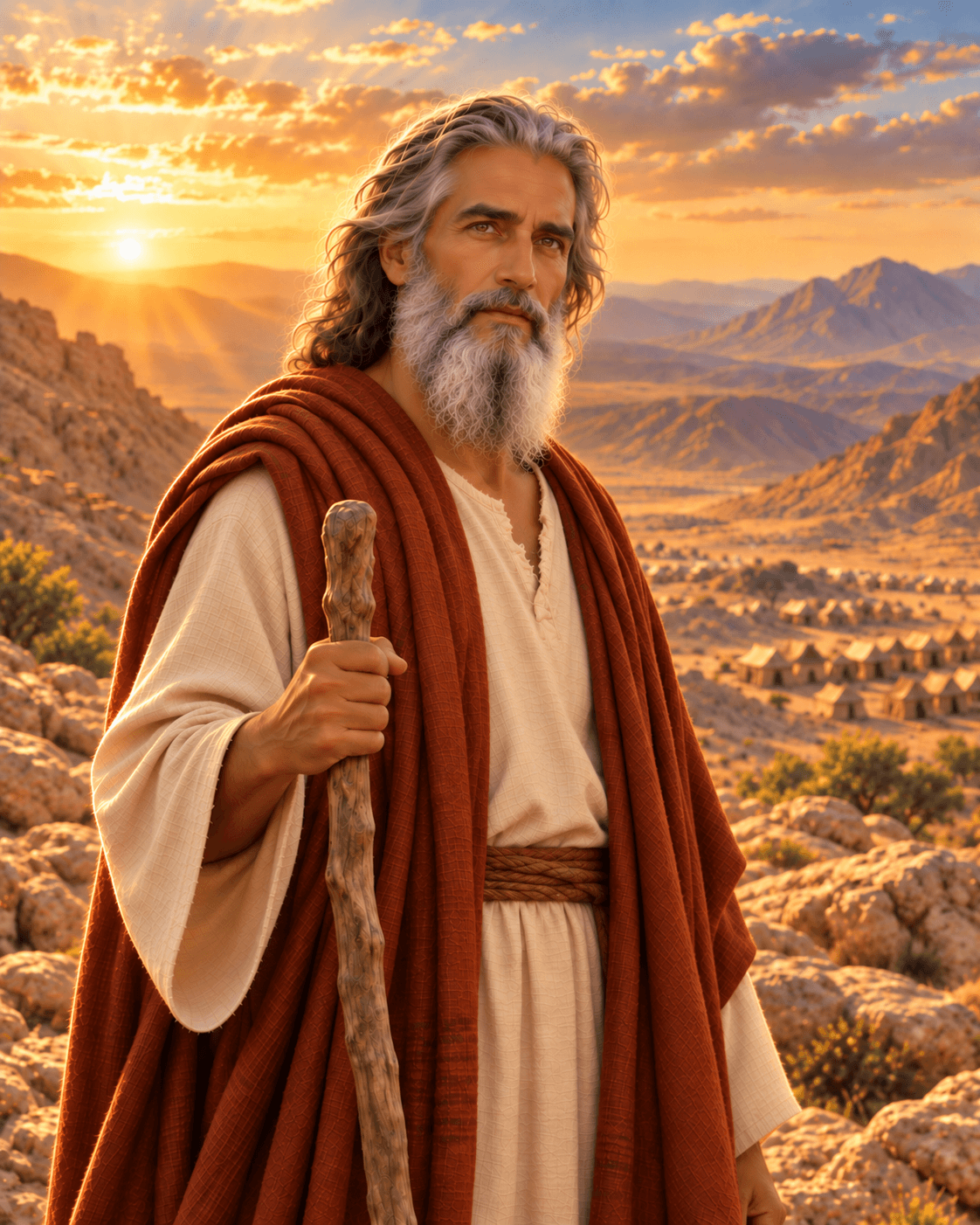 Moses
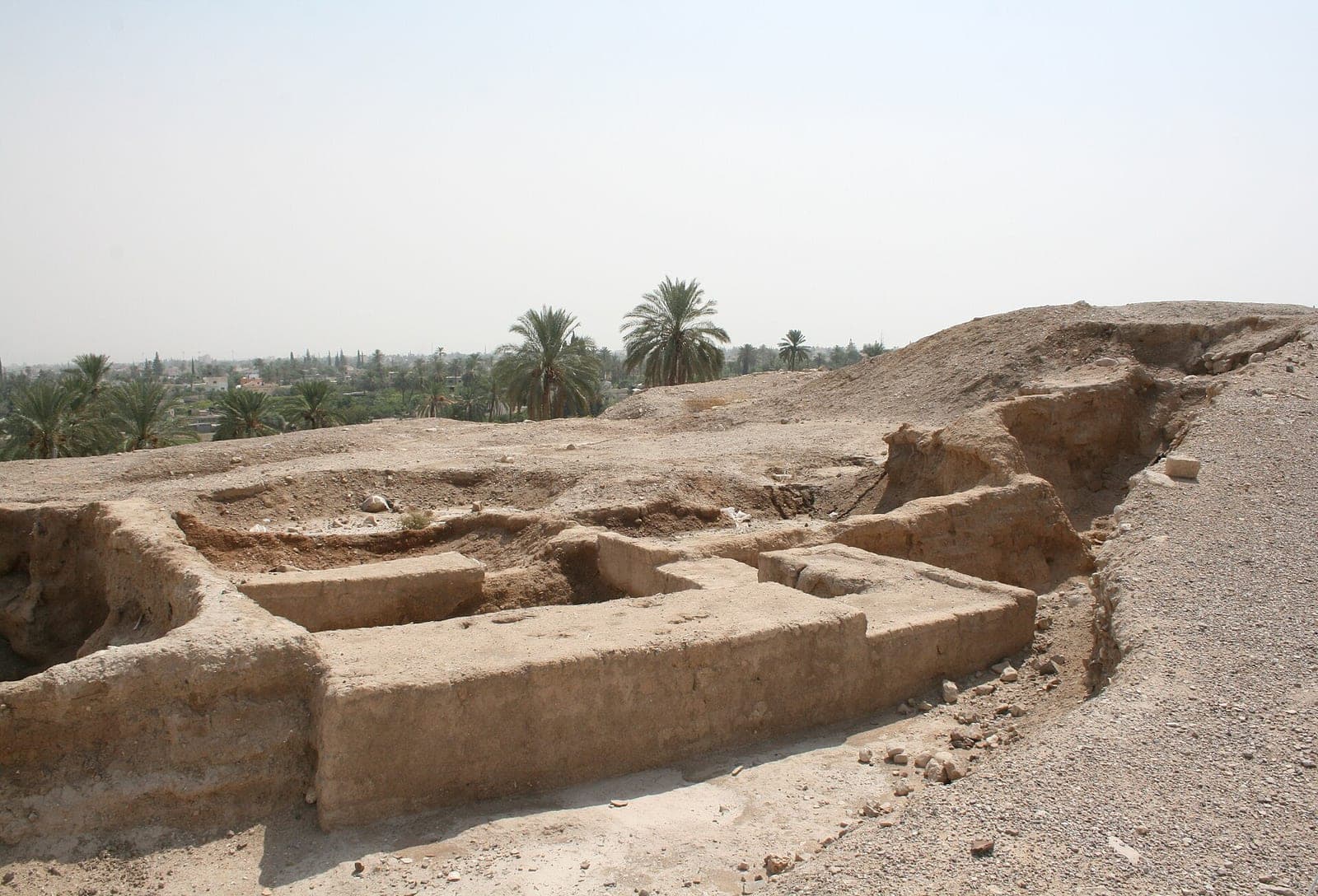
Photo: Diego Delso, via Wikimedia Commons. License: CC BY-SA 3.0. Source. Location: Tell es-Sultan, Jericho, West Bank. Resized for the web.
Explore the places of the Bible
See where biblical events happened, why each place matters, and what archaeology helps us understand.
Jericho
The city of palm trees, whose walls fell in Joshua's day.
Get full access with one subscription
Explore the people and places of the Bible. Read summaries of every book, with images and clear explanations covering every chapter. Access all these features and our Bible study tools with one subscription.
See PlansAsk AI about 2 Kings 11:16
Ask a question about this verse and get a clear answer, with Bible references you can read for yourself.
Every Bible book, explained chapter by chapter
Explore summaries of every book of the Bible, with images and easy-to-understand explanations covering every chapter.
Keep studying 2 Kings 11:16
Related Bible verses
Key themes
Related topics
At a Glance — the Book of 2 Kings
- Author
- Author unknown; possibly Jeremiah
- Written
- Around 560 BC
- Genre
- Historical narrative
- Original Audience
- Exiled Israelites in Babylon
Frequently Asked Questions
Quick, clear answers about this verse
What happened to Athaliah in 2 Kings 11:16?
In 2 Kings 11:16, Athaliah, who had seized control of the kingdom, was forcibly removed from the royal palace by those opposing her rule. She was taken out through the horse entrance, a symbol of her disgrace, and was subsequently executed. This act marked a significant turning point for the nation, as it ended her chaotic reign and paved the way for a return to rightful leadership.
What does the horse entrance symbolize in this verse?
The horse entrance in 2 Kings 11:16 symbolizes disgrace and humiliation. By being forced out through this entrance, Athaliah was publicly shamed, highlighting the rejection of her tyrannical rule. It serves as a powerful image of how her reign was viewed by those who opposed her, emphasizing the seriousness of her actions and the need for justice in the kingdom.
What are the broader themes of 2 Kings 11:16?
The broader themes of 2 Kings 11:16 include justice, leadership, and the consequences of unchecked power. Athaliah's execution reflects the struggle between good and evil, showcasing the triumph of justice over tyranny. This event also emphasizes the importance of righteous leadership and the impact that leaders have on their communities, serving as a reminder of the need for accountability in governance.
How does this verse relate to the concept of justice?
This verse illustrates the concept of justice by showing the consequences faced by a leader who abused power. Athaliah's removal and execution were necessary actions taken to restore order and righteousness in the kingdom. It highlights the idea that justice may require difficult decisions and actions, especially when confronting tyranny and corruption, reinforcing the belief that justice is essential for a healthy society.
Daily Verse — straight to your inbox
A verse and a 2-sentence plain-English explanation, every morning. Free. Unsubscribe anytime.