Old Testament
2 Kings 13:22
Read the Bible in clear, modern English—easy to understand, faithful to the meaning, and written for everyday readers.
King Hazael of Syria oppressed Israel throughout the entire reign of Jehoahaz.
Compare translations
But Hazael king of Syria oppressed Israel all the days of Jehoahaz.
What 2 Kings 13:22 means
Plain-English insight for readers
During the reign of Jehoahaz, King Hazael of Syria was a constant threat to Israel. His oppression was relentless, creating a time of suffering for the people. Jehoahaz struggled to defend his kingdom against Hazael's attacks. This period highlights the challenges faced by leaders when external forces threaten their nations. The oppression serves as a reminder of the impact of leadership decisions on the lives of ordinary people. Jehoahaz's inability to protect his people reflects the consequences of turning away from what is right. The struggle against Hazael illustrates the importance of unity and strength in the face of adversity. Ultimately, this story encourages us to seek wisdom and guidance in our own leadership roles, whether in our families, communities, or workplaces. We can learn from Jehoahaz's experience to strive for better outcomes in our own lives and the lives of those we influence. Understanding the historical context helps us appreciate the ongoing challenges of leadership and the need for resilience.
How to apply 2 Kings 13:22 to your life
In our lives, we may face challenges that feel overwhelming, much like Jehoahaz did. It's essential to seek support and guidance when dealing with difficult situations. Remember that unity and collaboration can help us overcome obstacles. Reflect on your leadership roles and how you can positively influence those around you. Stay resilient in the face of adversity, just as the people of Israel had to be during this time of oppression.
Curated for this public verse page. 2 Kings Summary
Explore more of the Bible
Learn the Bible through its people and places
Get to know the people in Scripture through illustrated stories, and explore the places where they lived and traveled.

Illustrated scene from Esther's story: Esther Becomes Queen (Esther 2:1–18)
Meet the people of the Bible
Follow their lives in order, with illustrated scenes and Bible passages that tell their stories.
 Esther
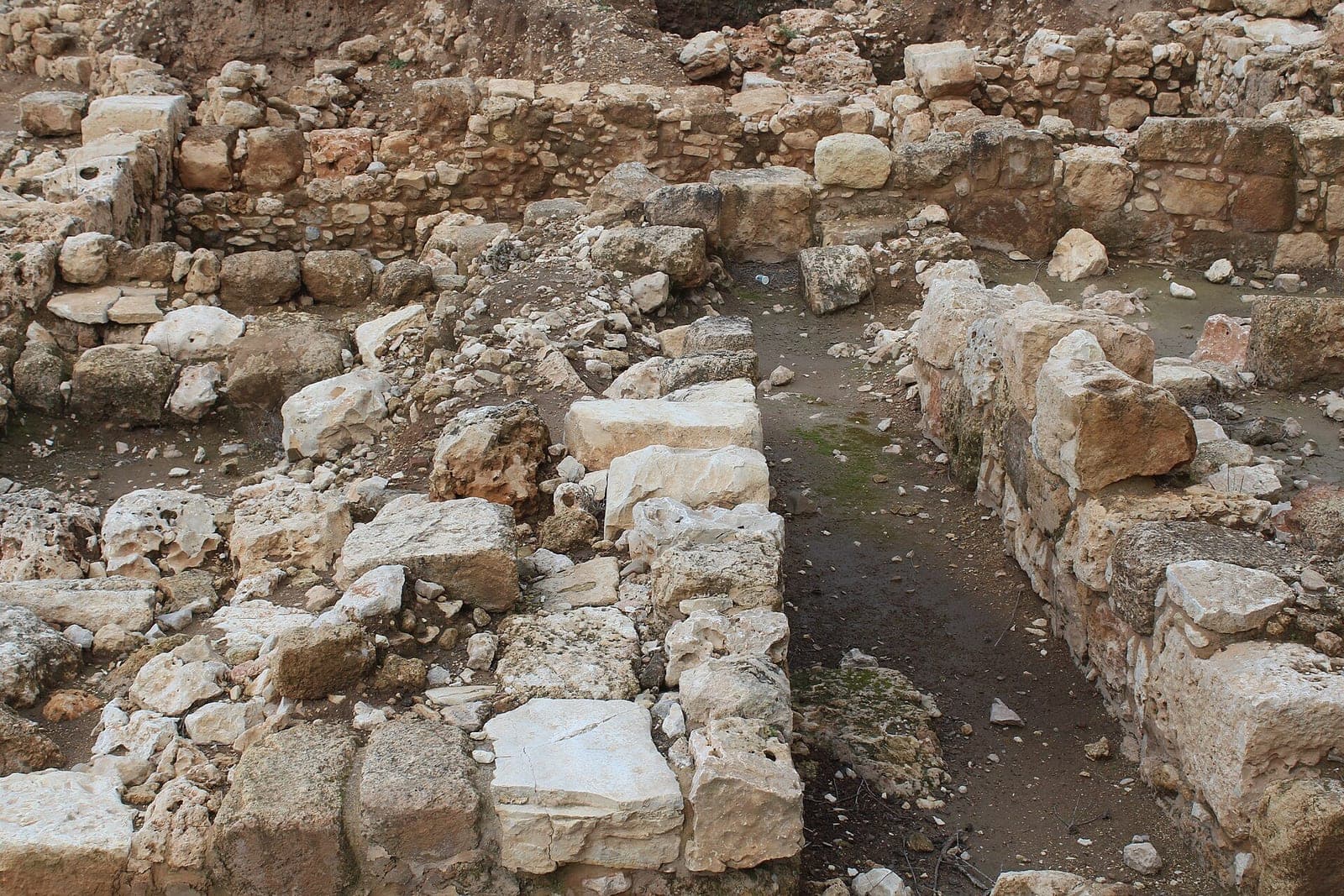
Photo: Deror Avi, via Wikimedia Commons. License: CC BY-SA 4.0. Source. Location: Tel Shiloh archaeological site, West Bank. Resized for the web.
Explore the places of the Bible
See where biblical events happened, why each place matters, and what archaeology helps us understand.
Shiloh
Where Israel set up the tabernacle, and where God called the boy Samuel.
Get full access with one subscription
Explore the people and places of the Bible. Read summaries of every book, with images and clear explanations covering every chapter. Access all these features and our Bible study tools with one subscription.
See PlansAsk AI about 2 Kings 13:22
Ask a question about this verse and get a clear answer, with Bible references you can read for yourself.
Every Bible book, explained chapter by chapter
Explore summaries of every book of the Bible, with images and easy-to-understand explanations covering every chapter.
Keep studying 2 Kings 13:22
Related Bible verses
Key themes
Related topics
At a Glance — the Book of 2 Kings
- Author
- Author unknown; possibly Jeremiah
- Written
- Around 560 BC
- Genre
- Historical narrative
- Original Audience
- Exiled Israelites in Babylon
Frequently Asked Questions
Quick, clear answers about this verse
What does 2 Kings 13:22 mean?
2 Kings 13:22 describes how King Hazael of Syria continually oppressed Israel during the reign of Jehoahaz. This verse highlights the struggles and suffering faced by the Israelites due to external threats and the challenges of leadership.
What is the significance of Hazael's oppression in 2 Kings 13:22?
Hazael's oppression signifies the constant danger Israel faced from neighboring nations. It illustrates the impact of leadership failures and the consequences of turning away from righteous paths, leading to suffering for the people.
What does the verse say about Jehoahaz's leadership?
The verse indicates that Jehoahaz struggled to defend Israel against Hazael's attacks, reflecting the difficulties leaders face when external forces threaten their nations. His inability to protect his people serves as a lesson on the importance of strong and wise leadership.
How does 2 Kings 13:22 relate to themes of resilience?
This verse emphasizes resilience as the people of Israel had to endure ongoing oppression. It serves as a reminder that facing adversity requires strength and unity, which are essential for overcoming challenges.
Daily Verse — straight to your inbox
A verse and a 2-sentence plain-English explanation, every morning. Free. Unsubscribe anytime.