Old Testament
2 Kings 18:17
Read the Bible in clear, modern English—easy to understand, faithful to the meaning, and written for everyday readers.
The king of Assyria sent Tartan, Rabsaris, and Rabshakeh from Lachish to King Hezekiah with a large army against Jerusalem. They went up to Jerusalem and stood by the channel of the upper pool, which is on the road to the washerman's field.
Compare translations
And the king of Assyria sent Tartan and Rabsaris and Rabshakeh from Lachish to king Hezekiah with a great host against Jerusalem. And they went up and came to Jerusalem. And when they were come up, they came and stood by the conduit of the upper pool, which is in the highway of the fuller’s field.
What 2 Kings 18:17 means
Plain-English insight for readers
In this passage, the king of Assyria sends a powerful delegation to confront King Hezekiah of Judah. This group includes Tartan, Rabsaris, and Rabshakeh, who arrive with a large army, ready to challenge Jerusalem. They approach the city and position themselves by the upper pool, a strategic location near the road to the washerman's field. This moment is significant as it marks a critical point in the conflict between Assyria and Judah. The Assyrian leaders are not just there to negotiate; they come with the intent to intimidate and assert their dominance. Hezekiah's response to this threat will shape the future of his kingdom. The scene sets the stage for a dramatic confrontation, highlighting the tension and fear that surrounds Jerusalem at this time. It serves as a reminder of the challenges leaders face when their faith and strength are tested by overwhelming odds. The location mentioned also emphasizes the importance of water sources in ancient cities, symbolizing life and sustenance amidst conflict.
How to apply 2 Kings 18:17 to your life
When faced with overwhelming challenges, remember that your response can define the outcome. Like Hezekiah, seek wisdom and strength in difficult times. Surround yourself with supportive people who can help you navigate through tough situations. Trust in your ability to face adversity with courage and faith. Stay grounded in your values as you confront challenges ahead.
Curated for this public verse page. 2 Kings Summary
Explore more of the Bible
Learn the Bible through its people and places
Get to know the people in Scripture through illustrated stories, and explore the places where they lived and traveled.

Illustrated scene from Moses's story: Israel Enslaved in Egypt (Exodus 1:8–22)
Meet the people of the Bible
Follow their lives in order, with illustrated scenes and Bible passages that tell their stories.
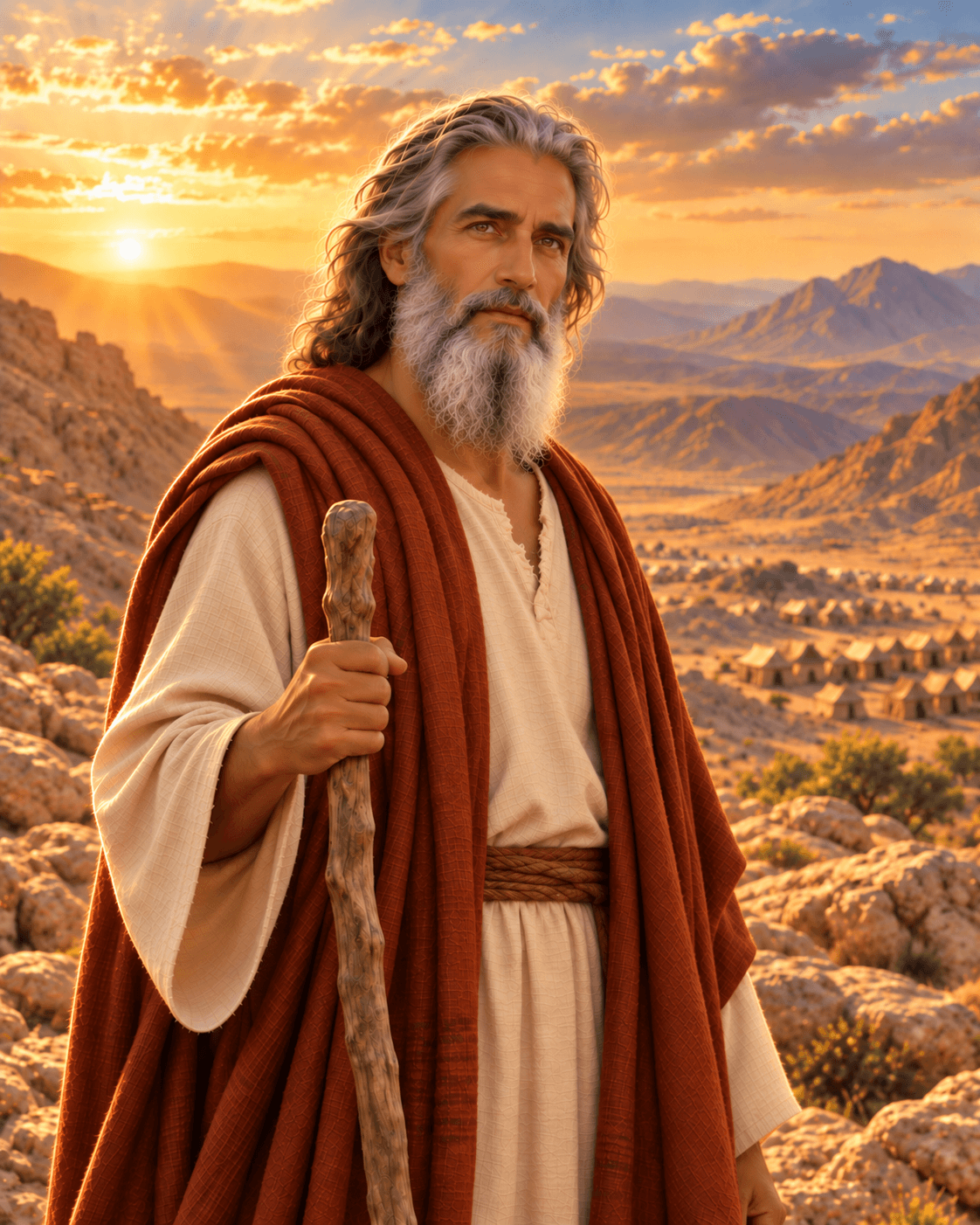 Moses
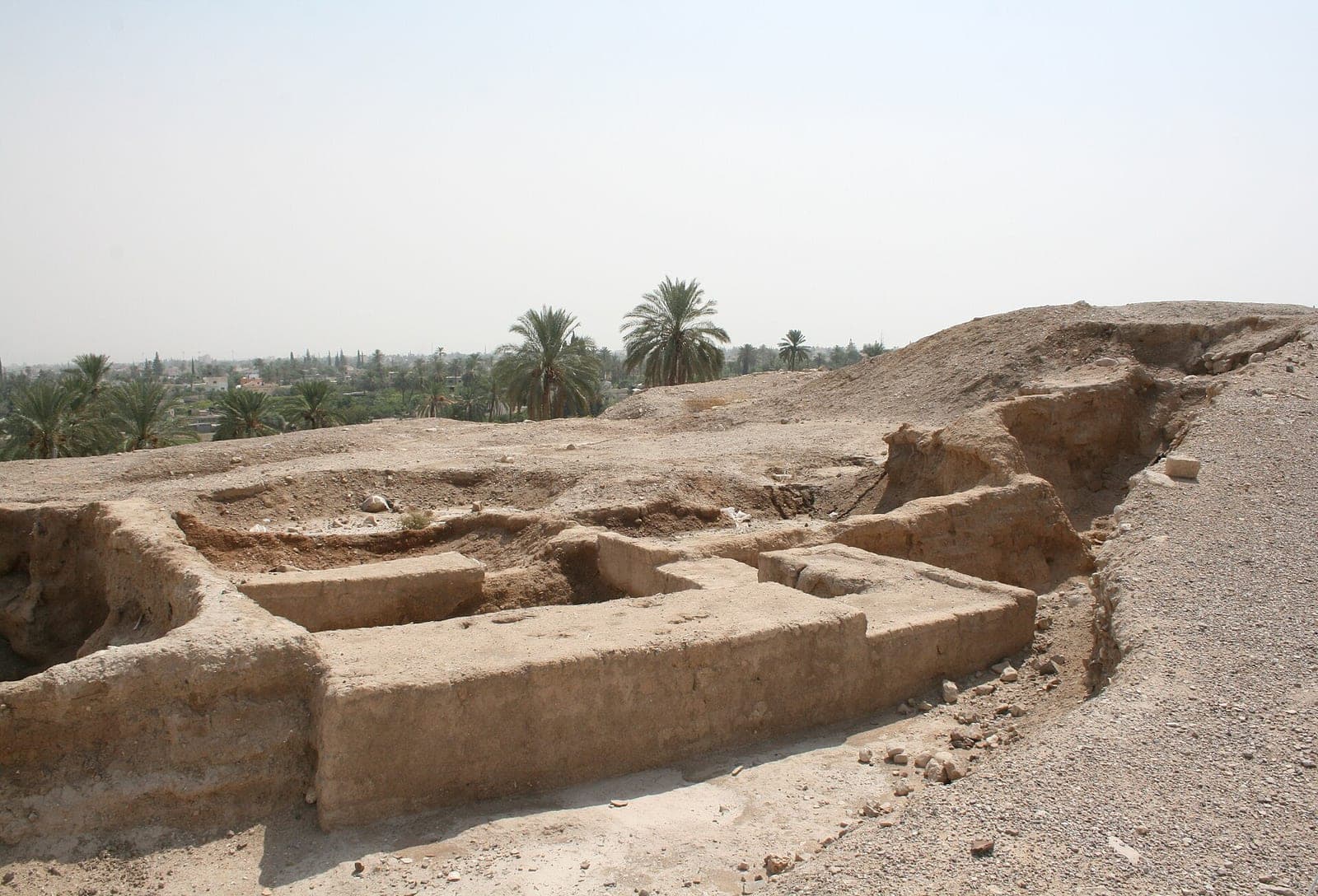
Photo: Diego Delso, via Wikimedia Commons. License: CC BY-SA 3.0. Source. Location: Tell es-Sultan, Jericho, West Bank. Resized for the web.
Explore the places of the Bible
See where biblical events happened, why each place matters, and what archaeology helps us understand.
Jericho
The city of palm trees, whose walls fell in Joshua's day.
Get full access with one subscription
Explore the people and places of the Bible. Read summaries of every book, with images and clear explanations covering every chapter. Access all these features and our Bible study tools with one subscription.
See PlansAsk AI about 2 Kings 18:17
Ask a question about this verse and get a clear answer, with Bible references you can read for yourself.
Every Bible book, explained chapter by chapter
Explore summaries of every book of the Bible, with images and easy-to-understand explanations covering every chapter.
Keep studying 2 Kings 18:17
Related Bible verses
Key themes
Related topics
At a Glance — the Book of 2 Kings
- Author
- Author unknown; possibly Jeremiah
- Written
- Around 560 BC
- Genre
- Historical narrative
- Original Audience
- Exiled Israelites in Babylon
Frequently Asked Questions
Quick, clear answers about this verse
Who were Tartan, Rabsaris, and Rabshakeh in 2 Kings 18:17?
Tartan, Rabsaris, and Rabshakeh were high-ranking officials sent by the king of Assyria to confront King Hezekiah of Judah. Tartan was likely a military commander, Rabsaris was a chief officer or eunuch, and Rabshakeh served as a spokesperson or envoy. Their presence indicated the seriousness of the Assyrian threat to Jerusalem, as they came with a large army to assert dominance and intimidate Hezekiah.
What is the significance of the upper pool mentioned in this verse?
The upper pool mentioned in 2 Kings 18:17 was a strategic location in Jerusalem, serving as a vital water source for the city. Its mention highlights the importance of water in ancient cities for survival, especially during sieges. The location also symbolizes the precarious situation Jerusalem faced, as the Assyrian leaders positioned themselves near this crucial resource to exert pressure on Hezekiah and the inhabitants of the city.
What was King Hezekiah's response to the Assyrian threat?
While 2 Kings 18:17 does not detail Hezekiah's immediate response, it sets the stage for his later actions. Hezekiah is known for seeking guidance from the prophet Isaiah and turning to God in prayer during this crisis. His response exemplifies faith under pressure, demonstrating the importance of seeking divine help and wisdom when facing overwhelming challenges.
How does this passage illustrate the theme of leadership?
This passage illustrates leadership by showcasing King Hezekiah's position during a time of crisis. The arrival of the Assyrian delegation represents a significant challenge to his authority and the safety of Jerusalem. Effective leadership is tested in moments of confrontation, and Hezekiah's decisions in response to this threat will determine the fate of his kingdom. It emphasizes the need for leaders to remain steadfast and seek wise counsel in difficult times.
Daily Verse — straight to your inbox
A verse and a 2-sentence plain-English explanation, every morning. Free. Unsubscribe anytime.