Old Testament
2 Kings 19:13
Read the Bible in clear, modern English—easy to understand, faithful to the meaning, and written for everyday readers.
Where is the king of Hamath now? Or the king of Arpad? Or the king of the city of Sepharvaim, or of Hena, or Ivah?'"
Compare translations
Where is the king of Hamath, and the king of Arpad, and the king of the city of Sepharvaim, of Hena, and Ivah?
What 2 Kings 19:13 means
Plain-English insight for readers
In this verse, the speaker is questioning the whereabouts of several kings from different cities. These kings, once powerful and significant, are now absent and forgotten. The mention of Hamath, Arpad, Sepharvaim, Hena, and Ivah highlights their lost influence. This rhetorical question serves to emphasize the futility of relying on human power and alliances. It suggests that even the mightiest leaders can be rendered powerless. The speaker is likely addressing a situation where trust in these kings has proven to be misplaced. The underlying message is that true strength and security come from a higher source, not from earthly rulers. This verse invites us to reflect on where we place our trust and the temporary nature of worldly power. It challenges us to consider the lasting impact of our choices and the importance of seeking stability in something greater than ourselves. Ultimately, it reminds us that human authority can fade, but there is a more enduring foundation to rely on.
How to apply 2 Kings 19:13 to your life
Consider where you place your trust in life. Are you relying on temporary things or people for security? Reflect on the lasting sources of strength and stability that can guide you through challenges. Seek deeper connections that provide true support and resilience in difficult times. Remember, lasting power comes from beyond human authority and influence.
Curated for this public verse page. 2 Kings Summary
Learn the Bible through its people and places
Get to know the people in Scripture through illustrated stories, and explore the places where they lived and traveled.

Illustrated scene from Isaiah's story: The LORD Defends Jerusalem (2 Kings 19:1–37)
Meet the people of the Bible
Follow their lives in order, with illustrated scenes and Bible passages that tell their stories.
 Isaiah
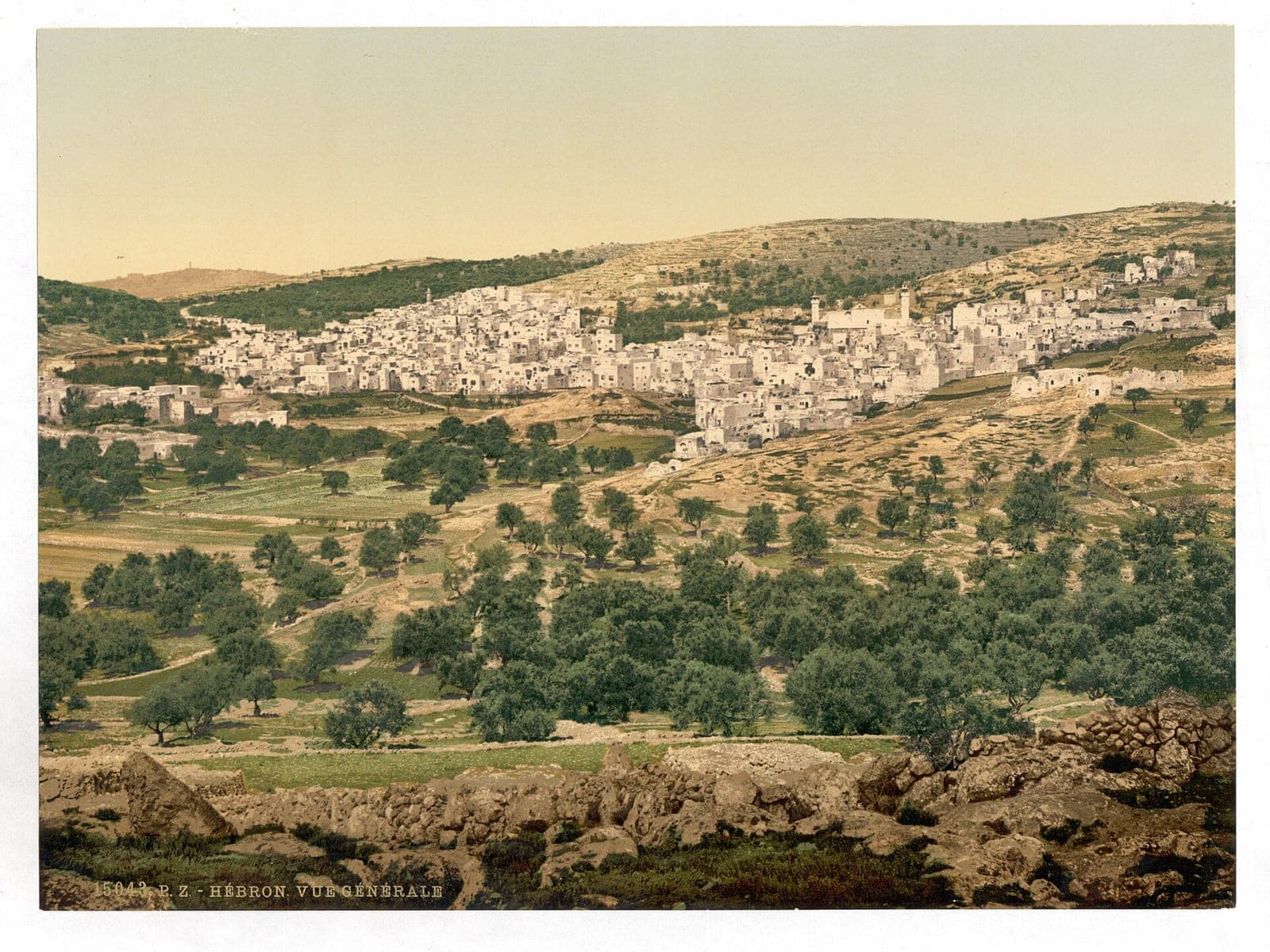
Photo: Photochrom print, Library of Congress Prints and Photographs Division (LCCN 2002724987). License: Public domain in the United States; Library of Congress states no known restrictions on publication. Source. Location: Hebron, West Bank; print preserved by the Library of Congress. Resized for the web.
Explore the places of the Bible
See where biblical events happened, why each place matters, and what archaeology helps us understand.
Hebron
Where Abraham lived and buried Sarah, and where David was first made king.
Get full access with one subscription
Explore the people and places of the Bible. Read summaries of every book, with images and clear explanations covering every chapter. Access all these features and our Bible study tools with one subscription.
See PlansAsk AI about 2 Kings 19:13
Ask a question about this verse and get a clear answer, with Bible references you can read for yourself.
Every Bible book, explained chapter by chapter
Explore summaries of every book of the Bible, with images and easy-to-understand explanations covering every chapter.
Keep studying 2 Kings 19:13
Related Bible verses
At a Glance — the Book of 2 Kings
- Author
- Author unknown; possibly Jeremiah
- Written
- Around 560 BC
- Genre
- Historical narrative
- Original Audience
- Exiled Israelites in Babylon
Frequently Asked Questions
Quick, clear answers about this verse
What does 2 Kings 19:13 mean?
2 Kings 19:13 questions the current status of several kings from various cities, highlighting their absence and the futility of relying on human power. It emphasizes that even powerful leaders can become insignificant and forgotten.
What is the significance of the kings mentioned in 2 Kings 19:13?
The kings of Hamath, Arpad, Sepharvaim, Hena, and Ivah represent earthly rulers whose influence has waned. Their mention serves to illustrate the temporary nature of human authority and the importance of seeking strength beyond worldly power.
How does 2 Kings 19:13 relate to trust in leadership?
2 Kings 19:13 highlights the idea that trust in human leadership can be misguided, as even the mightiest can fall into obscurity. It encourages reflection on where we place our trust and the stability we seek.
What lesson can we learn from 2 Kings 19:13?
The lesson from this verse is to recognize the temporary nature of human power and to seek stability in something greater. It prompts us to evaluate our sources of strength and trust in life.
Daily Verse — straight to your inbox
A verse and a 2-sentence plain-English explanation, every morning. Free. Unsubscribe anytime.