Old Testament
2 Kings 23:17
Read the Bible in clear, modern English—easy to understand, faithful to the meaning, and written for everyday readers.
Then Josiah asked, "What is that marker I see over there?" The people of the city told him, "That's the tomb of the man of God who came from Judah and predicted exactly what you've just done to the altar at Bethel."
Compare translations
Then he said, What title is that that I see? And the men of the city told him, It is the sepulchre of the man of God, which came from Judah, and proclaimed these things that thou hast done against the altar of Bethel.
What 2 Kings 23:17 means
Plain-English insight for readers
In this moment, King Josiah is curious about a marker he sees, which leads to a significant discovery. The people inform him that it is the tomb of a prophet from Judah who had foretold the very actions Josiah is now taking against the altar at Bethel. This shows the importance of remembering those who have spoken truth in the past. The prophet's words were not just predictions; they were a warning about the consequences of turning away from true worship. Josiah's actions are a fulfillment of that prophecy, highlighting the connection between past messages and present actions. It serves as a reminder that our choices today can echo through history, impacting future generations. Josiah's inquiry reflects a desire to understand the significance of his actions and the legacy of those who came before him. This moment emphasizes the importance of recognizing and honoring the truth spoken by others, especially when it aligns with our current path and decisions. It encourages us to reflect on how our lives connect with the messages of those who have gone before us.
How to apply 2 Kings 23:17 to your life
When you encounter reminders of the past, take a moment to reflect on their significance. Consider how the lessons learned from others can guide your decisions today. Embrace the wisdom of those who have come before you and let it shape your journey forward. Remember, your actions can influence future generations, just as the prophet's words influenced Josiah's choices. Stay connected to the truth that resonates through time and impacts your life.
Curated for this public verse page. 2 Kings Summary
Explore more of the Bible
Learn the Bible through its people and places
Get to know the people in Scripture through illustrated stories, and explore the places where they lived and traveled.

Illustrated scene from Moses's story: Israel Enslaved in Egypt (Exodus 1:8–22)
Meet the people of the Bible
Follow their lives in order, with illustrated scenes and Bible passages that tell their stories.
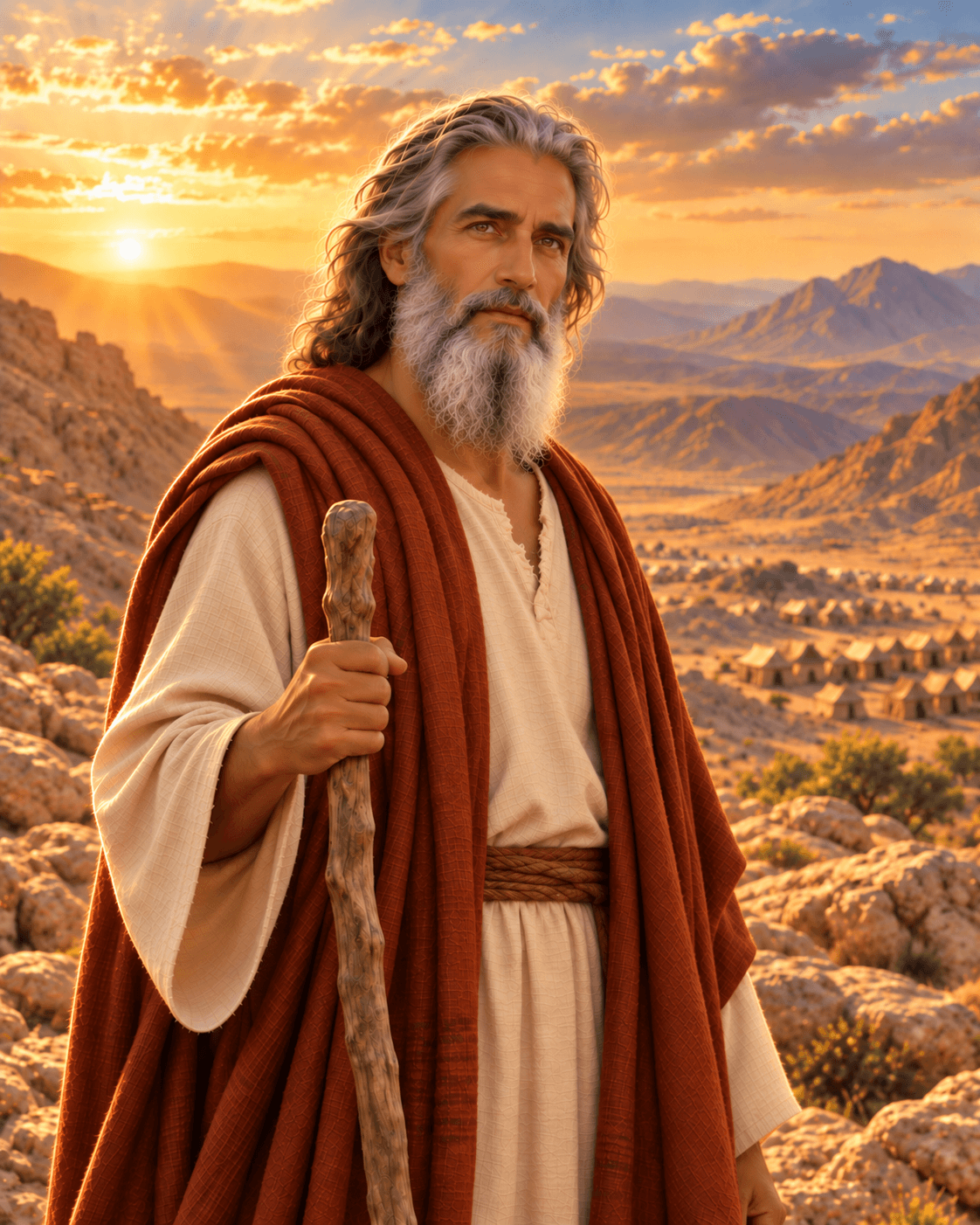 Moses
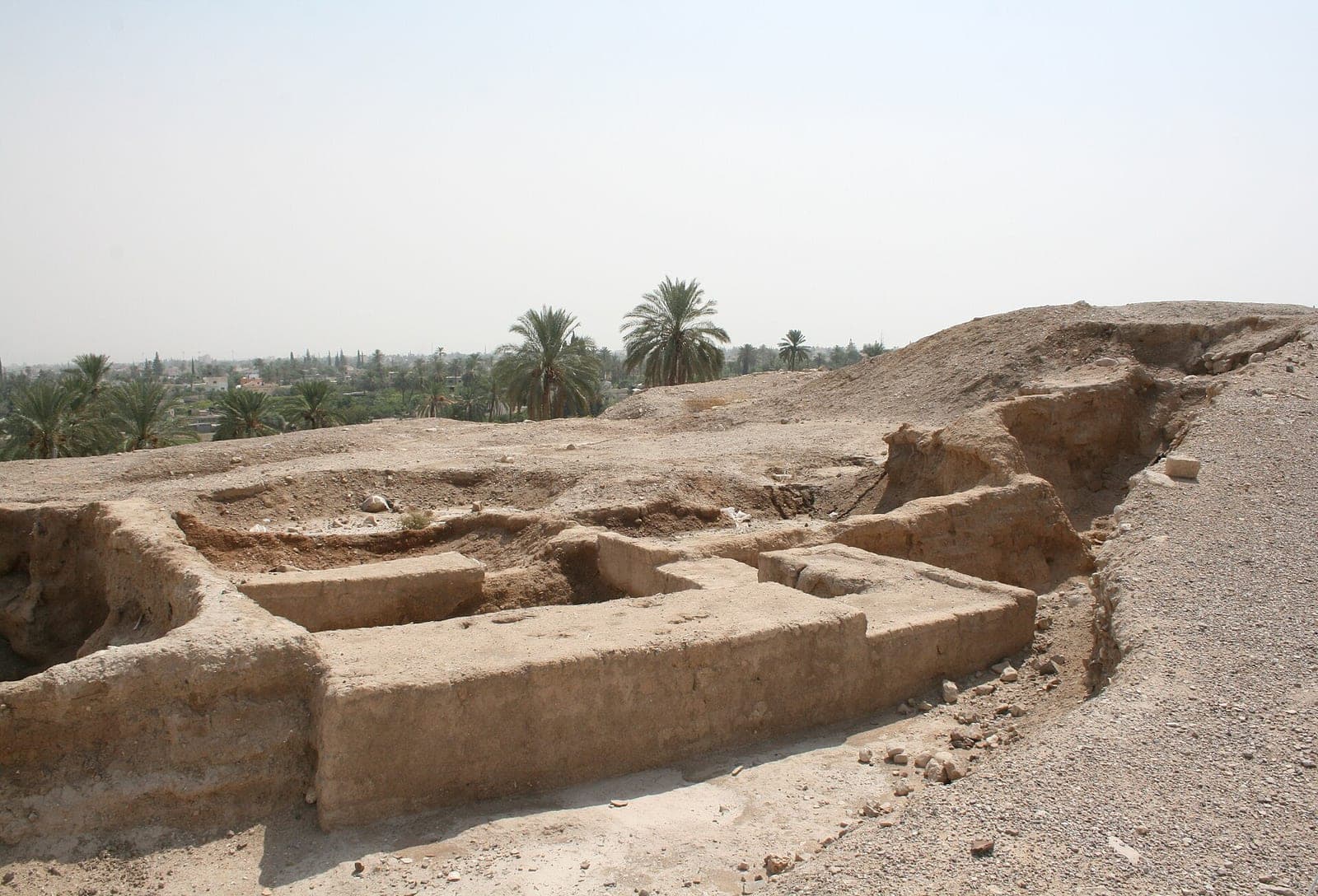
Photo: Diego Delso, via Wikimedia Commons. License: CC BY-SA 3.0. Source. Location: Tell es-Sultan, Jericho, West Bank. Resized for the web.
Explore the places of the Bible
See where biblical events happened, why each place matters, and what archaeology helps us understand.
Jericho
The city of palm trees, whose walls fell in Joshua's day.
Get full access with one subscription
Explore the people and places of the Bible. Read summaries of every book, with images and clear explanations covering every chapter. Access all these features and our Bible study tools with one subscription.
See PlansAsk AI about 2 Kings 23:17
Ask a question about this verse and get a clear answer, with Bible references you can read for yourself.
Every Bible book, explained chapter by chapter
Explore summaries of every book of the Bible, with images and easy-to-understand explanations covering every chapter.
Keep studying 2 Kings 23:17
Related Bible verses
At a Glance — the Book of 2 Kings
- Author
- Author unknown; possibly Jeremiah
- Written
- Around 560 BC
- Genre
- Historical narrative
- Original Audience
- Exiled Israelites in Babylon
Frequently Asked Questions
Quick, clear answers about this verse
What does 2 Kings 23:17 mean about the tomb of the man of God?
In 2 Kings 23:17, King Josiah discovers a tomb that belongs to a prophet from Judah who had foretold the actions Josiah is now taking against the altar at Bethel. This moment highlights the significance of remembering prophetic messages and their fulfillment. It serves as a reminder of the importance of honoring those who have spoken truth and the impact their words can have on current and future generations.
Why is the tomb of the man of God important in this context?
The tomb of the man of God is important because it symbolizes the fulfillment of prophecy. The prophet had warned against the idolatry at Bethel, and Josiah's actions to destroy the altar are a direct response to that warning. This connection emphasizes the continuity of God's message through history and the importance of heeding divine warnings, as well as the legacy of those who proclaim truth.
How does Josiah's inquiry reflect his character?
Josiah's inquiry about the marker shows his curiosity and desire for understanding. It reflects a king who is not only taking action against idolatry but is also seeking to comprehend the significance of his actions in light of God's word. This demonstrates a humble and reflective leadership style, as he acknowledges the importance of the past and the messages of the prophets.
What lessons can we learn from Josiah's actions in this verse?
From Josiah's actions in this verse, we learn the importance of aligning our actions with truth and prophetic guidance. It encourages us to reflect on the teachings of those who have come before us and to consider how their wisdom can inform our decisions today. Josiah's commitment to reform and worship emphasizes the need for integrity in our spiritual lives and the impact our choices can have on future generations.
Daily Verse — straight to your inbox
A verse and a 2-sentence plain-English explanation, every morning. Free. Unsubscribe anytime.