Old Testament
2 Kings 24:1
Read the Bible in clear, modern English—easy to understand, faithful to the meaning, and written for everyday readers.
During Jehoiakim's reign, King Nebuchadnezzar of Babylon invaded. Jehoiakim submitted and served him for 3 years, but then he turned and rebelled against him.
Compare translations
In his days Nebuchadnezzar king of Babylon came up, and Jehoiakim became his servant three years: then he turned and rebelled against him.
What 2 Kings 24:1 means
Plain-English insight for readers
During the reign of King Jehoiakim, a powerful ruler named Nebuchadnezzar from Babylon invaded their land. Jehoiakim, recognizing the strength of Nebuchadnezzar, chose to submit and serve him for three years. This decision was likely made to protect his people and maintain some level of stability. However, after three years of servitude, Jehoiakim decided to rebel against Nebuchadnezzar. This act of rebellion was a significant turning point, showing Jehoiakim's desire for independence and control over his kingdom. Unfortunately, this choice would lead to dire consequences for his people and his reign. The story illustrates the struggle between power and submission, and the risks involved in choosing rebellion over cooperation. It serves as a reminder that decisions made in moments of pressure can have lasting impacts on our lives and those around us. Jehoiakim's story is a cautionary tale about the importance of wisdom in leadership and the potential fallout from defiance.
How to apply 2 Kings 24:1 to your life
Consider the choices you make when faced with pressure. Sometimes, submitting to a greater authority can lead to stability, but rebellion can have serious consequences. Reflect on your own decisions and their impact on your life and those around you. Choose wisely and think ahead about the outcomes of your actions. Your choices matter more than you realize, so be mindful of them as you navigate challenges in life.
Curated for this public verse page. 2 Kings Summary
Explore more of the Bible
Learn the Bible through its people and places
Get to know the people in Scripture through illustrated stories, and explore the places where they lived and traveled.

Illustrated scene from David's story: Samuel Anoints David (1 Samuel 16:1–13)
Meet the people of the Bible
Follow their lives in order, with illustrated scenes and Bible passages that tell their stories.
 David
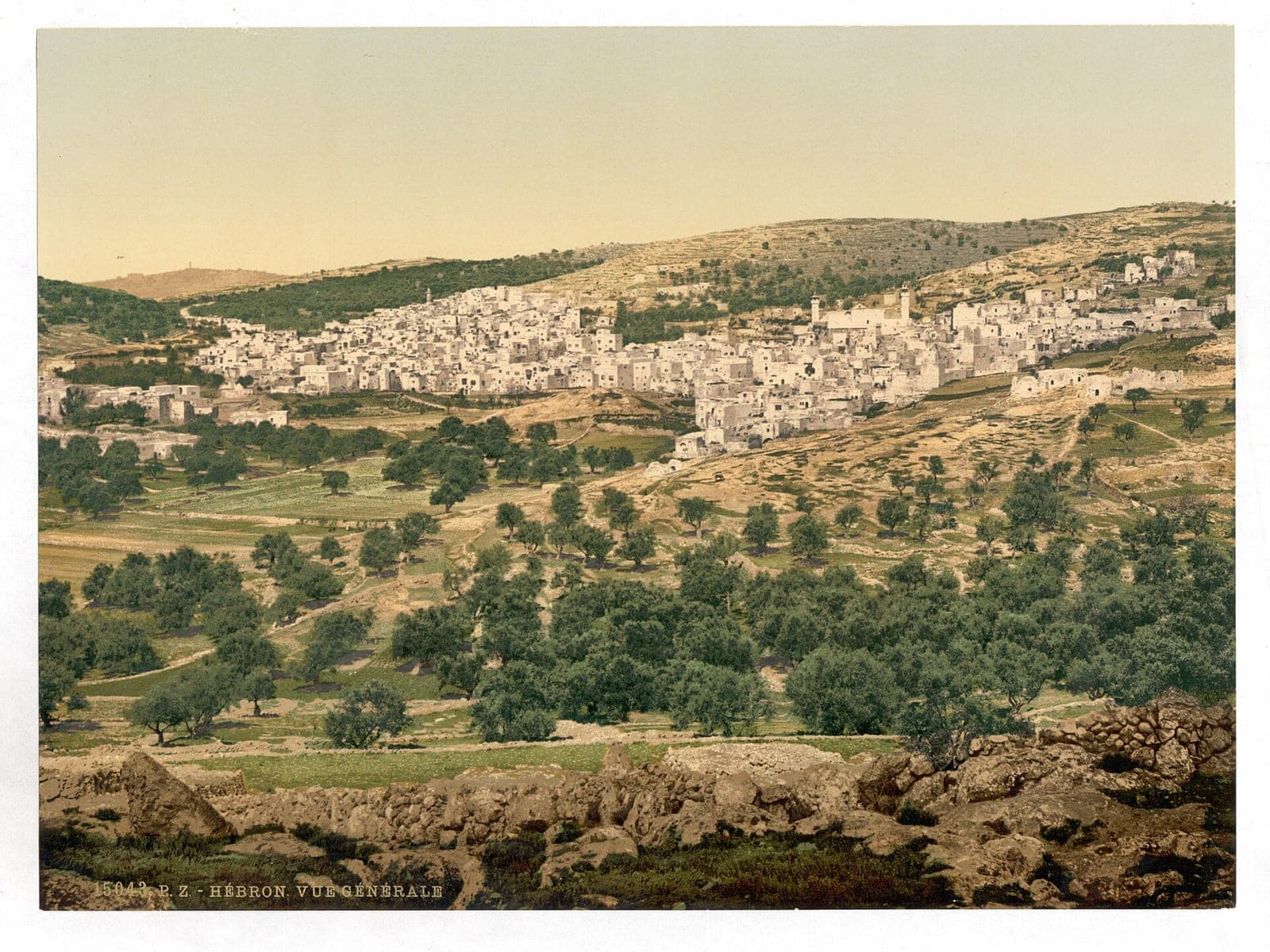
Photo: Photochrom print, Library of Congress Prints and Photographs Division (LCCN 2002724987). License: Public domain in the United States; Library of Congress states no known restrictions on publication. Source. Location: Hebron, West Bank; print preserved by the Library of Congress. Resized for the web.
Explore the places of the Bible
See where biblical events happened, why each place matters, and what archaeology helps us understand.
Hebron
Where Abraham lived and buried Sarah, and where David was first made king.
Get full access with one subscription
Explore the people and places of the Bible. Read summaries of every book, with images and clear explanations covering every chapter. Access all these features and our Bible study tools with one subscription.
See PlansAsk AI about 2 Kings 24:1
Ask a question about this verse and get a clear answer, with Bible references you can read for yourself.
Every Bible book, explained chapter by chapter
Explore summaries of every book of the Bible, with images and easy-to-understand explanations covering every chapter.
Keep studying 2 Kings 24:1
Related Bible verses
Key themes
Related topics
At a Glance — the Book of 2 Kings
- Author
- Author unknown; possibly Jeremiah
- Written
- Around 560 BC
- Genre
- Historical narrative
- Original Audience
- Exiled Israelites in Babylon
Frequently Asked Questions
Quick, clear answers about this verse
What does 2 Kings 24:1 mean?
2 Kings 24:1 describes the reign of King Jehoiakim and his submission to King Nebuchadnezzar of Babylon. It highlights Jehoiakim's initial choice to serve Nebuchadnezzar for three years before rebelling, illustrating the tension between power and independence.
What is the significance of Jehoiakim's rebellion in 2 Kings 24:1?
Jehoiakim's rebellion against Nebuchadnezzar after three years of servitude signifies a critical moment of defiance and a desire for autonomy. This act ultimately leads to serious consequences for Jehoiakim and his kingdom, emphasizing the risks associated with rebellion.
What does the phrase 'became his servant' in 2 Kings 24:1 imply?
The phrase 'became his servant' indicates that Jehoiakim acknowledged Nebuchadnezzar's power and chose to submit to him, likely to maintain stability for his people. This servitude reflects the dynamics of power during that historical period.
What can we learn from 2 Kings 24:1 about leadership?
2 Kings 24:1 teaches that leaders must carefully consider their choices, especially under pressure. Jehoiakim's initial submission followed by rebellion illustrates the complexities of leadership and the potential fallout from decisions made in difficult circumstances.
Daily Verse — straight to your inbox
A verse and a 2-sentence plain-English explanation, every morning. Free. Unsubscribe anytime.