Old Testament
2 Kings 25:6
Read the Bible in clear, modern English—easy to understand, faithful to the meaning, and written for everyday readers.
They captured Zedekiah and brought him to King Nebuchadnezzar at Riblah, where judgment was passed on him.
Compare translations
So they took the king, and brought him up to the king of Babylon to Riblah; and they gave judgment upon him.
What 2 Kings 25:6 means
Plain-English insight for readers
In this moment, Zedekiah, the last king of Judah, is captured after a long siege. His defeat symbolizes the end of an era for his people. He is taken to Riblah, where King Nebuchadnezzar awaits. This is not just a physical journey; it represents a spiritual and moral reckoning. Zedekiah's failure to heed warnings and his choices led to this dire outcome. The judgment passed on him serves as a reminder of the consequences of leadership and the importance of making wise decisions. It highlights how personal choices can affect not just oneself but an entire nation. This moment is a turning point, marking the fall of Jerusalem and the beginning of exile for many. Zedekiah's story is a cautionary tale about the weight of responsibility and the impact of our actions on others, urging us to reflect on our own decisions and their potential consequences in our lives today. It invites us to consider how we respond to challenges and the guidance we receive along the way, emphasizing the importance of wisdom and discernment.
How to apply 2 Kings 25:6 to your life
Reflect on the decisions you make in your life. Consider how your choices impact not only you but also those around you. Seek wisdom and guidance when faced with difficult situations. Remember that every action has consequences, and strive to make choices that lead to positive outcomes for yourself and others. Embrace the lessons from Zedekiah's story to guide your path forward in life. “Be wise in your decisions.” “Choose wisely.”
Curated for this public verse page. 2 Kings Summary
Explore more of the Bible
Learn the Bible through its people and places
Get to know the people in Scripture through illustrated stories, and explore the places where they lived and traveled.

Illustrated scene from Esther's story: Esther Becomes Queen (Esther 2:1–18)
Meet the people of the Bible
Follow their lives in order, with illustrated scenes and Bible passages that tell their stories.
 Esther
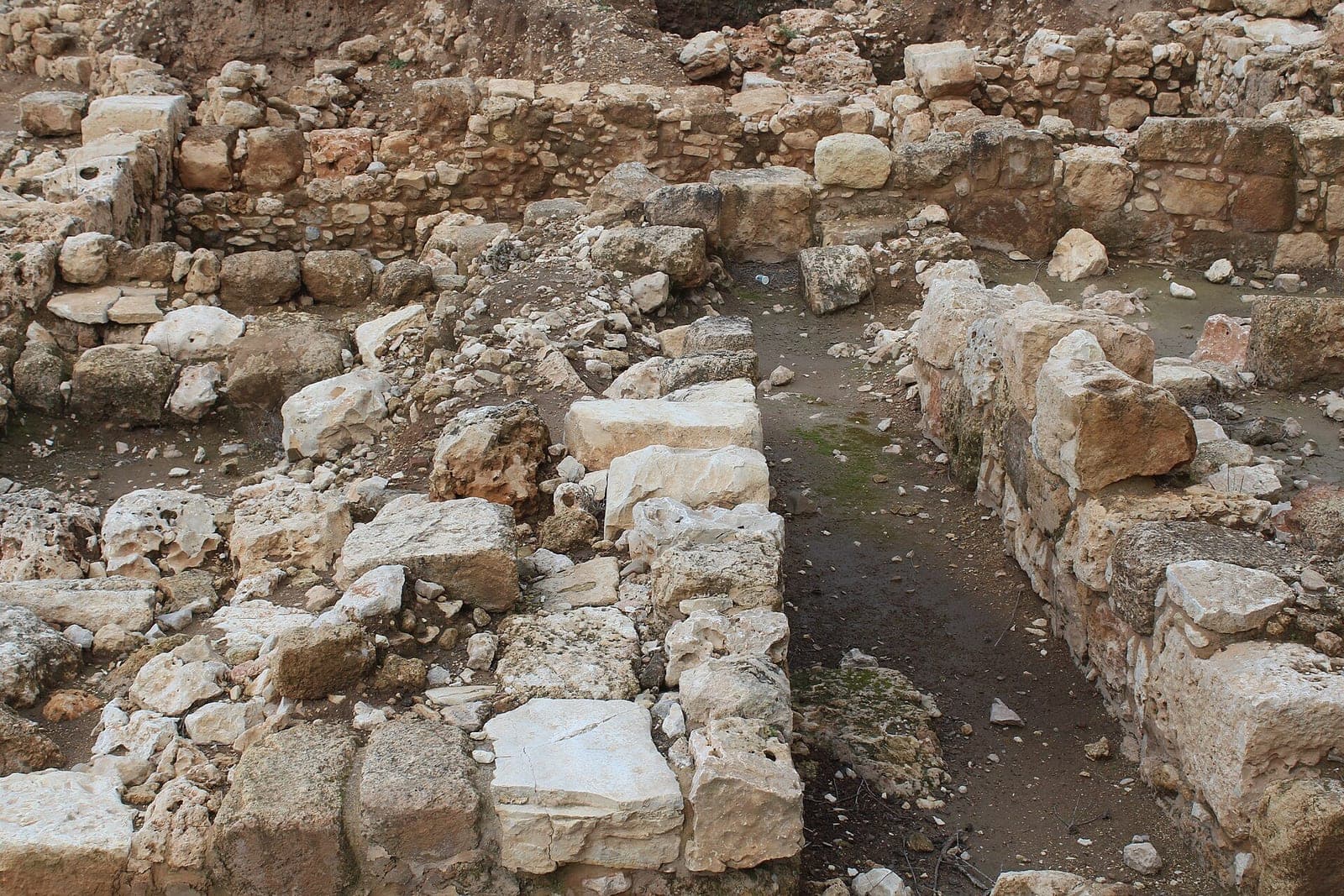
Photo: Deror Avi, via Wikimedia Commons. License: CC BY-SA 4.0. Source. Location: Tel Shiloh archaeological site, West Bank. Resized for the web.
Explore the places of the Bible
See where biblical events happened, why each place matters, and what archaeology helps us understand.
Shiloh
Where Israel set up the tabernacle, and where God called the boy Samuel.
Get full access with one subscription
Explore the people and places of the Bible. Read summaries of every book, with images and clear explanations covering every chapter. Access all these features and our Bible study tools with one subscription.
See PlansAsk AI about 2 Kings 25:6
Ask a question about this verse and get a clear answer, with Bible references you can read for yourself.
Every Bible book, explained chapter by chapter
Explore summaries of every book of the Bible, with images and easy-to-understand explanations covering every chapter.
Keep studying 2 Kings 25:6
Related Bible verses
Key themes
Related topics
At a Glance — the Book of 2 Kings
- Author
- Author unknown; possibly Jeremiah
- Written
- Around 560 BC
- Genre
- Historical narrative
- Original Audience
- Exiled Israelites in Babylon
Frequently Asked Questions
Quick, clear answers about this verse
What happened to Zedekiah in 2 Kings 25:6?
In 2 Kings 25:6, Zedekiah, the last king of Judah, is captured by the Babylonians after a prolonged siege of Jerusalem. He is brought before King Nebuchadnezzar at Riblah, where judgment is passed on him. This event marks a significant turning point in Jewish history, symbolizing the end of Judah's independence and the beginning of exile for its people.
What is the significance of Zedekiah's capture?
Zedekiah's capture signifies the culmination of a series of poor decisions and disobedience to God’s warnings. His defeat represents not only the fall of Jerusalem but also the consequences of leadership failures. It serves as a reminder of the heavy responsibilities leaders bear and the impact of their choices on their nations and communities.
How does Zedekiah's story relate to leadership?
Zedekiah's story illustrates the critical importance of wise decision-making in leadership. His failure to heed prophetic warnings and make sound choices led to disastrous consequences for himself and his people. This narrative encourages current and future leaders to consider the weight of their decisions and the potential repercussions on those they lead.
What lessons can we learn from Zedekiah's judgment?
Zedekiah's judgment teaches us about the inevitability of consequences that follow our choices. It emphasizes the need for wisdom and discernment in decision-making. Reflecting on his story can inspire individuals to seek guidance and make choices that positively influence their lives and the lives of others, reminding us that our actions have far-reaching effects.
Daily Verse — straight to your inbox
A verse and a 2-sentence plain-English explanation, every morning. Free. Unsubscribe anytime.