Old Testament
2 Kings 8:9
Read the Bible in clear, modern English—easy to understand, faithful to the meaning, and written for everyday readers.
So Hazael went to meet Elisha, bringing a gift loaded on 40 camels — the finest goods Damascus had to offer. He stood before Elisha and said, "Your son Benhadad, king of Syria, sent me to ask you, 'Will I recover from this illness?'"
Compare translations
So Hazael went to meet him, and took a present with him, even of every good thing of Damascus, forty camels’ burden, and came and stood before him, and said, Thy son Benhadad king of Syria hath sent me to thee, saying, Shall I recover of this disease?
What 2 Kings 8:9 means
Plain-English insight for readers
In this moment, Hazael, a high-ranking official from Damascus, approaches the prophet Elisha with a significant gift carried by forty camels. This gesture shows the importance of his mission. He conveys a message from King Benhadad, who is suffering from an illness and is desperate for answers. The king wants to know if he will recover. Hazael's visit highlights the intersection of power, faith, and the search for hope in dire circumstances. Elisha, known for his prophetic insights, holds the key to the king's fate. This encounter emphasizes the weight of decisions made by leaders and the influence of divine guidance in their lives. Hazael's actions also foreshadow future events, as he is destined for a significant role in Israel's history. The scene captures the tension between human ambition and divine will, reminding us that our paths are often intertwined with greater plans beyond our understanding. It invites us to reflect on how we seek guidance in our own lives.
How to apply 2 Kings 8:9 to your life
When faced with uncertainty, like King Benhadad, we often seek answers from trusted sources. This story encourages us to turn to wisdom and guidance in our lives. It reminds us that our choices can have far-reaching consequences, and we should be mindful of the paths we choose. Trusting in a higher purpose can bring clarity and peace during difficult times. Embrace the journey of seeking understanding and direction in your life.
Curated for this public verse page. 2 Kings Summary
Explore more of the Bible
Learn the Bible through its people and places
Get to know the people in Scripture through illustrated stories, and explore the places where they lived and traveled.

Illustrated scene from Joseph, Jacob's son's story: Joseph Is Born (Genesis 30:22–24)
Meet the people of the Bible
Follow their lives in order, with illustrated scenes and Bible passages that tell their stories.
 Joseph, Jacob's son
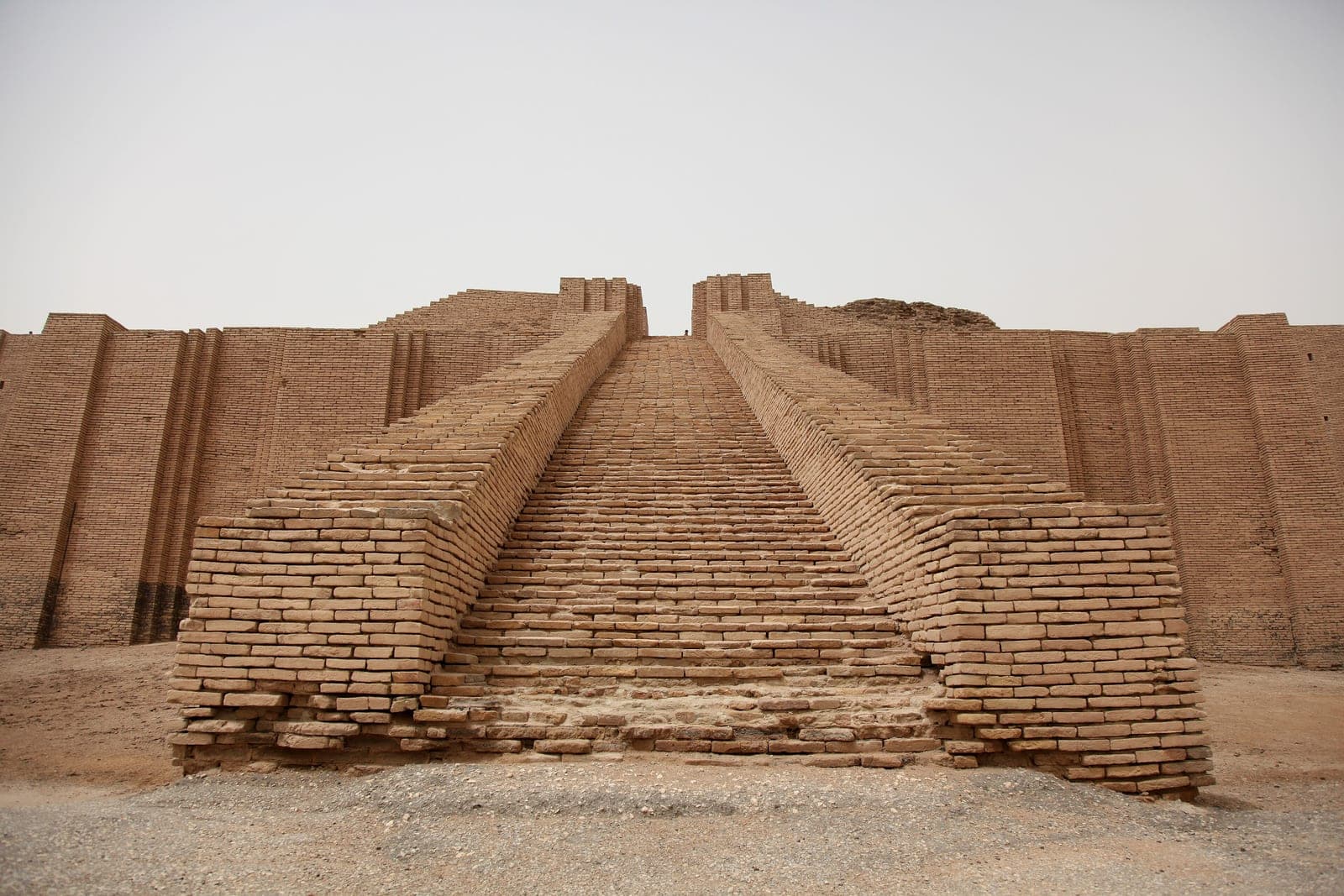
Photo: U.S. Army photo by Spc. Samantha R. Ciaramitaro, via DVIDS and Wikimedia Commons. License: Public domain in the United States — U.S. federal-government work. Source. Location: Great Ziggurat, Ur Archaeological City (Tell el-Mukayyar), Dhi Qar Governorate, Iraq. Resized for the web.
Explore the places of the Bible
See where biblical events happened, why each place matters, and what archaeology helps us understand.
Ur
The city Abram's family left to travel toward Canaan.
Get full access with one subscription
Explore the people and places of the Bible. Read summaries of every book, with images and clear explanations covering every chapter. Access all these features and our Bible study tools with one subscription.
See PlansAsk AI about 2 Kings 8:9
Ask a question about this verse and get a clear answer, with Bible references you can read for yourself.
Every Bible book, explained chapter by chapter
Explore summaries of every book of the Bible, with images and easy-to-understand explanations covering every chapter.
Keep studying 2 Kings 8:9
Related Bible verses
Related topics
At a Glance — the Book of 2 Kings
- Author
- Author unknown; possibly Jeremiah
- Written
- Around 560 BC
- Genre
- Historical narrative
- Original Audience
- Exiled Israelites in Babylon
Frequently Asked Questions
Quick, clear answers about this verse
What does Hazael's gift to Elisha symbolize?
Hazael's gift of forty camels loaded with the finest goods from Damascus symbolizes the importance of his mission and the respect he holds for the prophet Elisha. It reflects the high stakes involved in seeking divine guidance, as Hazael is not only representing himself but also the king of Syria, Benhadad, who is in a vulnerable position due to his illness.
Why did King Benhadad send Hazael to Elisha?
King Benhadad sent Hazael to Elisha to inquire about his recovery from a serious illness. This reflects the desperation of the king, who, despite his power, is seeking answers from a prophet known for his ability to communicate with God. It highlights the theme of human vulnerability and the search for hope in dire situations.
What can we learn about leadership from this verse?
This verse teaches us that leaders often face difficult decisions and uncertainties. King Benhadad's choice to seek prophetic insight shows the importance of wisdom and guidance in leadership. It reminds us that leaders should be open to seeking help and understanding from trusted sources, especially during challenging times.
How does this encounter reflect the theme of divine guidance?
The encounter between Hazael and Elisha illustrates the theme of divine guidance by showcasing how God communicates His will through prophets. Elisha's role as a prophet places him in a position to provide insight into the future, emphasizing that leaders should seek divine wisdom to navigate their paths and make informed decisions.
Daily Verse — straight to your inbox
A verse and a 2-sentence plain-English explanation, every morning. Free. Unsubscribe anytime.