Old Testament
2 Samuel 1:10
Read the Bible in clear, modern English—easy to understand, faithful to the meaning, and written for everyday readers.
So I stood over him and killed him, because I knew he couldn't survive after he'd collapsed. Then I took the crown from his head and the bracelet from his arm, and I've brought them here to you, my lord."
Compare translations
So I stood upon him, and slew him, because I was sure that he could not live after that he was fallen: and I took the crown that was upon his head, and the bracelet that was on his arm, and have brought them hither unto my lord.
What 2 Samuel 1:10 means
Plain-English insight for readers
In this moment, a man approaches David, claiming to have killed Saul, the former king. He believes he is bringing good news, thinking that David will be pleased to hear of Saul's death. However, David is heartbroken. He knows that Saul was God's anointed king, and he mourns for him. The man, in his eagerness, presents Saul's crown and bracelet as trophies, hoping to gain favor. But instead of reward, he faces David's wrath. David understands that taking a life, even in battle, is a serious matter. This story highlights the complexity of loyalty, leadership, and the consequences of our actions. It reminds us that our choices can have profound impacts on others, and that true honor lies in respecting life, even when it seems lost. David's response teaches us about compassion and the weight of responsibility that comes with power. In the end, the man’s misguided actions lead to his own demise, illustrating that seeking glory through violence can lead to tragic outcomes.
How to apply 2 Samuel 1:10 to your life
Consider how your actions affect others. Are you seeking recognition or glory at the expense of someone else's dignity? Reflect on the importance of compassion and respect in your relationships. True strength lies in lifting others up rather than tearing them down. Choose wisely in your pursuits and interactions with others.
Curated for this public verse page. 2 Samuel Summary
Learn the Bible through its people and places
Get to know the people in Scripture through illustrated stories, and explore the places where they lived and traveled.

Illustrated scene from David's story: “How the Mighty Have Fallen” (2 Samuel 1:1–27)
Meet the people of the Bible
Follow their lives in order, with illustrated scenes and Bible passages that tell their stories.
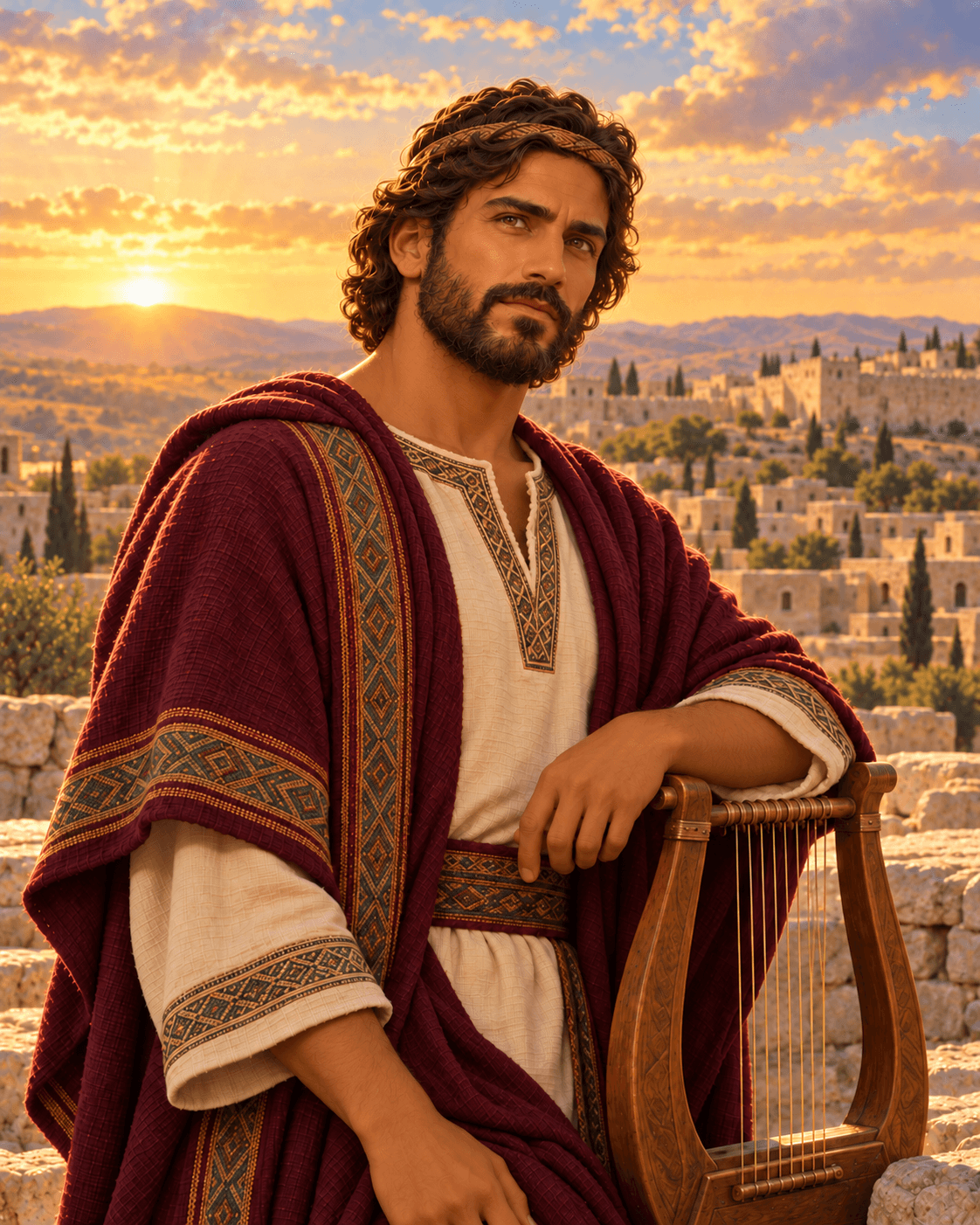 David
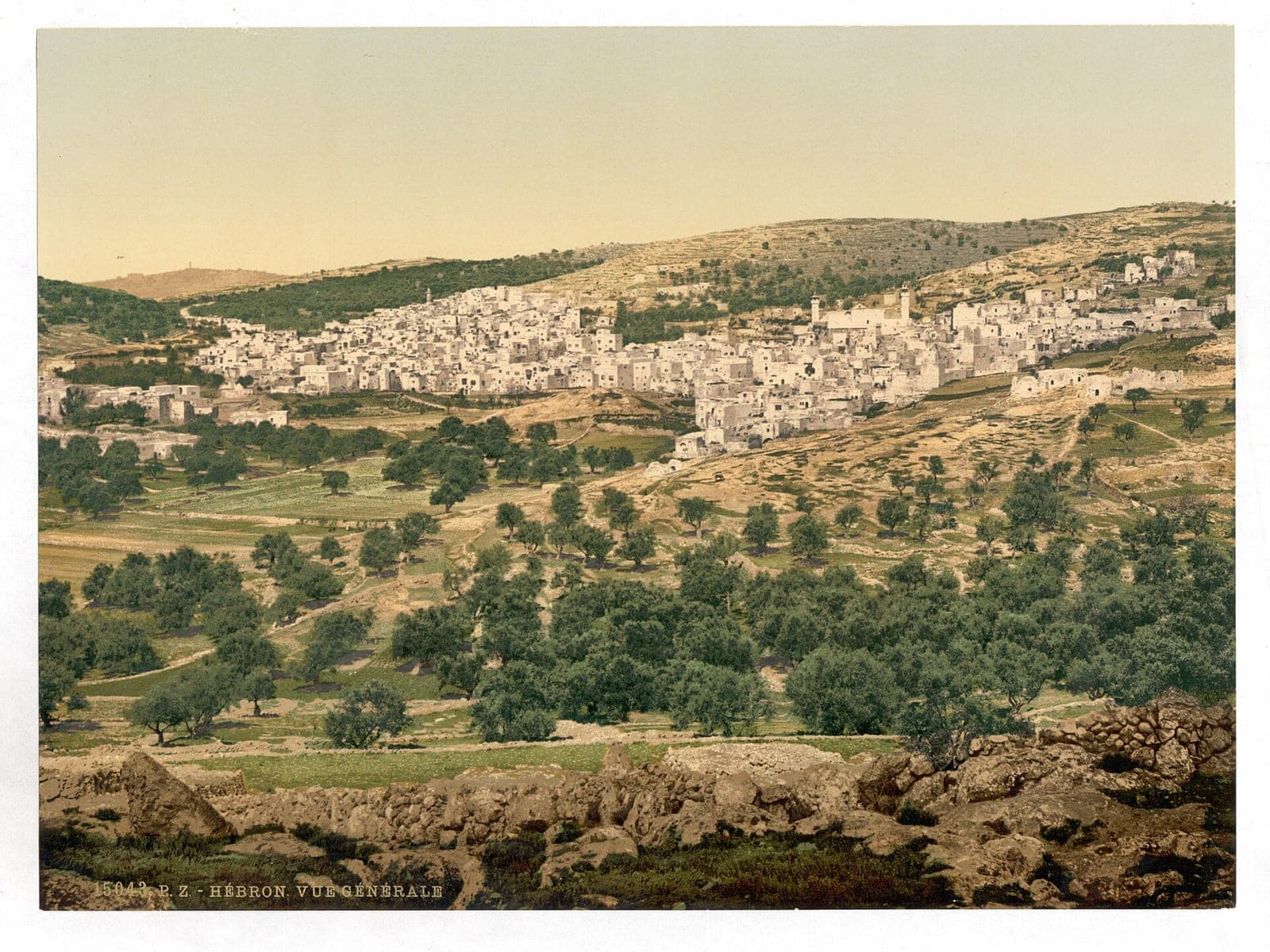
Photo: Photochrom print, Library of Congress Prints and Photographs Division (LCCN 2002724987). License: Public domain in the United States; Library of Congress states no known restrictions on publication. Source. Location: Hebron, West Bank; print preserved by the Library of Congress. Resized for the web.
Explore the places of the Bible
See where biblical events happened, why each place matters, and what archaeology helps us understand.
Hebron
Where Abraham lived and buried Sarah, and where David was first made king.
Get full access with one subscription
Explore the people and places of the Bible. Read summaries of every book, with images and clear explanations covering every chapter. Access all these features and our Bible study tools with one subscription.
See PlansAsk AI about 2 Samuel 1:10
Ask a question about this verse and get a clear answer, with Bible references you can read for yourself.
Every Bible book, explained chapter by chapter
Explore summaries of every book of the Bible, with images and easy-to-understand explanations covering every chapter.
Keep studying 2 Samuel 1:10
Related Bible verses
Key themes
Related topics
At a Glance — the Book of 2 Samuel
- Author
- Traditionally attributed to Samuel, Nathan, and Gad
- Written
- Around 930 BC
- Genre
- Historical narrative
- Original Audience
- The Israelites of the early monarchy
Frequently Asked Questions
Quick, clear answers about this verse
What does 2 Samuel 1:10 mean?
2 Samuel 1:10 describes a man who claims to have killed Saul, believing he is bringing good news to David. However, David mourns Saul's death, showing that he respects Saul as God's anointed king, and punishes the man for his actions.
What is the significance of the crown and bracelet in 2 Samuel 1:10?
The crown and bracelet symbolize Saul's kingship and authority. The man presents them to David as trophies, hoping to gain favor, but instead, they highlight his misguided actions and disrespect for life.
How does David react to the news in 2 Samuel 1:10?
David is heartbroken upon hearing of Saul's death, despite the man's claim of having killed him. He mourns for Saul, showing that he values life and the role of God's anointed.
What lessons can we learn from 2 Samuel 1:10?
The verse teaches us about the consequences of our actions and the importance of respecting life. It encourages reflection on how our pursuit of recognition can impact others and highlights the value of compassion in our relationships.
Daily Verse — straight to your inbox
A verse and a 2-sentence plain-English explanation, every morning. Free. Unsubscribe anytime.