Old Testament
2 Samuel 13:15
Read the Bible in clear, modern English—easy to understand, faithful to the meaning, and written for everyday readers.
Then Amnon hated her intensely; his hatred for her was greater than the love he had once felt. He said to her, "Get up. Get out."
Compare translations
Then Amnon hated her exceedingly; so that the hatred wherewith he hated her was greater than the love wherewith he had loved her. And Amnon said unto her, Arise, be gone.
What 2 Samuel 13:15 means
Plain-English insight for readers
In this moment, Amnon's feelings take a dark turn. Initially, he was consumed by desire for Tamar, but after he acted on his impulses, his emotions flipped completely. Instead of love, he felt a deep hatred for her. This intense shift shows how quickly feelings can change, especially when they are based on selfish desires. Amnon's command for Tamar to leave reveals his unwillingness to face the consequences of his actions. He treats her as an object rather than a person, highlighting the destructive nature of his desires. This story serves as a powerful reminder of how unchecked emotions can lead to devastating outcomes, not just for oneself but for others as well. It emphasizes the importance of understanding and managing our feelings, as they can lead to harm if not handled with care. Amnon's actions ultimately lead to tragedy, showing that love without respect can turn into something ugly and painful. This passage invites us to reflect on our own emotions and how we treat those around us.
How to apply 2 Samuel 13:15 to your life
Consider how your feelings influence your actions. Are there moments when you let emotions dictate your behavior? Strive to treat others with respect, even when feelings are complicated. Reflect on how to manage your emotions in a healthy way to avoid harm to yourself and others. Choose love and respect over fleeting desires to foster better relationships.
Curated for this public verse page. 2 Samuel Summary
Learn the Bible through its people and places
Get to know the people in Scripture through illustrated stories, and explore the places where they lived and traveled.

Illustrated scene from David's story: Trouble in David's House (2 Samuel 13:1–39)
Meet the people of the Bible
Follow their lives in order, with illustrated scenes and Bible passages that tell their stories.
 David
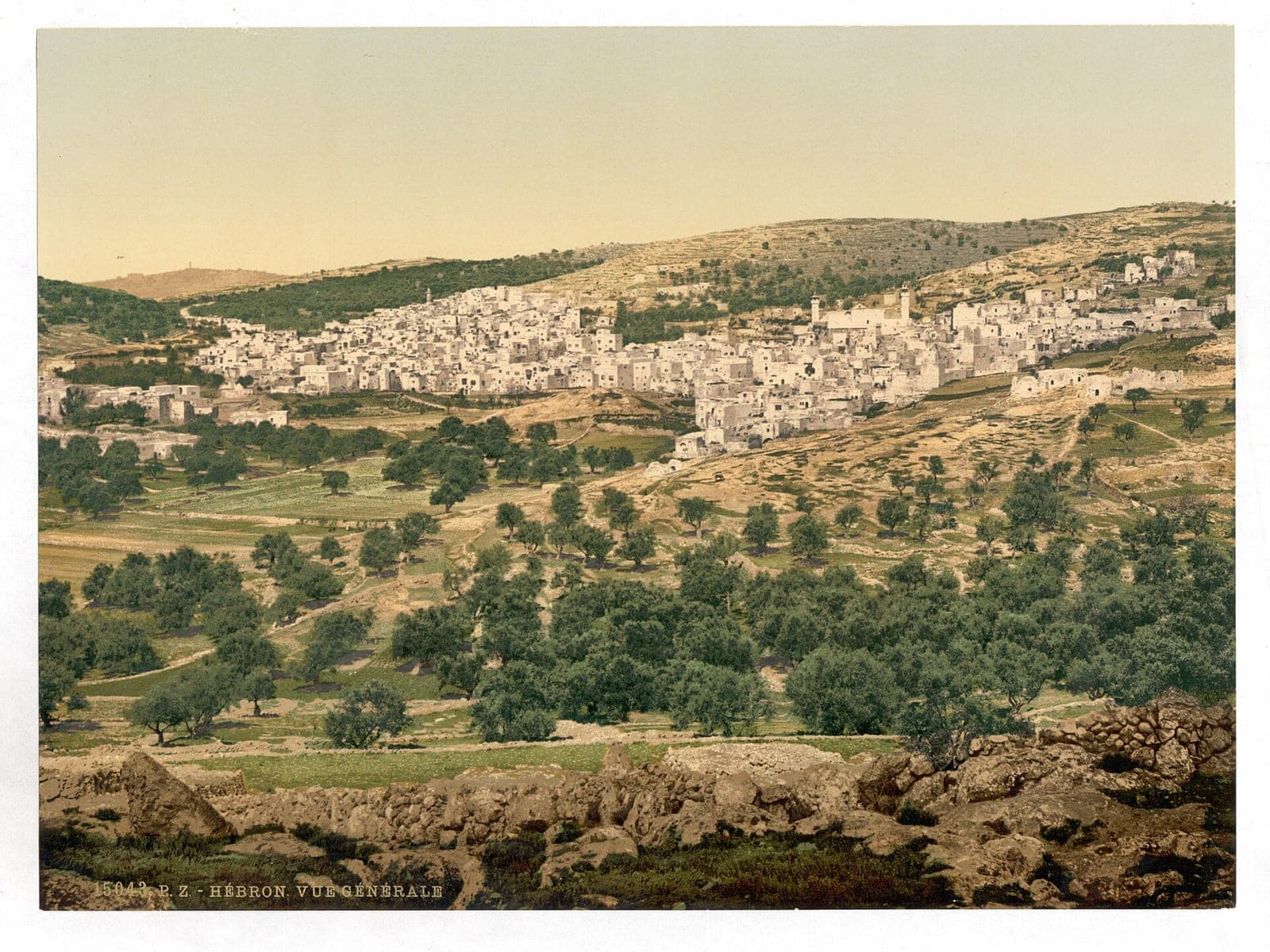
Photo: Photochrom print, Library of Congress Prints and Photographs Division (LCCN 2002724987). License: Public domain in the United States; Library of Congress states no known restrictions on publication. Source. Location: Hebron, West Bank; print preserved by the Library of Congress. Resized for the web.
Explore the places of the Bible
See where biblical events happened, why each place matters, and what archaeology helps us understand.
Hebron
Where Abraham lived and buried Sarah, and where David was first made king.
Get full access with one subscription
Explore the people and places of the Bible. Read summaries of every book, with images and clear explanations covering every chapter. Access all these features and our Bible study tools with one subscription.
See PlansAsk AI about 2 Samuel 13:15
Ask a question about this verse and get a clear answer, with Bible references you can read for yourself.
Every Bible book, explained chapter by chapter
Explore summaries of every book of the Bible, with images and easy-to-understand explanations covering every chapter.
Keep studying 2 Samuel 13:15
Related Bible verses
Key themes
Related topics
At a Glance — the Book of 2 Samuel
- Author
- Traditionally attributed to Samuel, Nathan, and Gad
- Written
- Around 930 BC
- Genre
- Historical narrative
- Original Audience
- The Israelites of the early monarchy
Frequently Asked Questions
Quick, clear answers about this verse
What does 2 Samuel 13:15 teach about emotions?
2 Samuel 13:15 illustrates the volatile nature of emotions, particularly how quickly love can turn to hatred. Amnon's intense feelings for Tamar shift dramatically after he acts on his selfish desires, highlighting the dangers of allowing unchecked emotions to dictate our actions. This passage serves as a reminder to manage our feelings responsibly to avoid causing harm to ourselves and others.
How can we apply the lessons from Amnon's actions in our lives?
Amnon's actions in 2 Samuel 13:15 remind us of the importance of treating others with respect and understanding the consequences of our desires. In our own lives, we should strive to recognize when our emotions are leading us to harmful behaviors and choose to act with kindness and respect. This means reflecting on our feelings and ensuring they do not lead to destructive actions.
What are the consequences of selfish desires as shown in this verse?
The consequences of selfish desires, as shown in 2 Samuel 13:15, can be devastating. Amnon's initial love for Tamar quickly turns to hatred after he fulfills his selfish impulses, leading to emotional turmoil and tragedy. This teaches us that acting on selfish desires without considering the impact on others can result in deep harm and broken relationships.
How does this verse reflect on respect in relationships?
2 Samuel 13:15 highlights a critical lack of respect in Amnon's relationship with Tamar. After acting on his desires, he treats her as an object to be discarded rather than a person with feelings. This serves as a powerful reminder that respect is essential in any relationship, and failing to uphold it can lead to emotional pain and suffering.
Daily Verse — straight to your inbox
A verse and a 2-sentence plain-English explanation, every morning. Free. Unsubscribe anytime.