Old Testament
2 Samuel 13:29
Read the Bible in clear, modern English—easy to understand, faithful to the meaning, and written for everyday readers.
Absalom's servants did exactly as he ordered and killed Amnon. All the other princes immediately jumped on their mules and fled.
Compare translations
And the servants of Absalom did unto Amnon as Absalom had commanded. Then all the king’s sons arose, and every man gat him up upon his mule, and fled.
What 2 Samuel 13:29 means
Plain-English insight for readers
In this moment, Absalom's plan unfolds as his servants carry out his orders to kill Amnon, who had wronged him. This act of revenge sets off a chain reaction, causing all the other princes to panic and flee on their mules. The tension in the royal family escalates dramatically, highlighting the consequences of betrayal and the lengths one might go to for revenge. Absalom's actions reflect deep-seated anger and a desire for justice, but they also lead to chaos and fear among the royal family. This scene serves as a powerful reminder of how quickly relationships can deteriorate and how revenge can spiral out of control. The fleeing princes symbolize the fear and uncertainty that often accompany conflict, showing that violence begets more violence. Ultimately, this moment marks a turning point in Absalom's story, leading to further conflict and tragedy in the kingdom. It illustrates the destructive nature of unresolved grievances and the impact of our choices on those around us.
How to apply 2 Samuel 13:29 to your life
Consider how unresolved conflicts can lead to drastic actions and unintended consequences. Instead of seeking revenge, strive for reconciliation and understanding. Reflect on your relationships and address grievances before they escalate into something more destructive. Choose peace over conflict to foster healthier connections with others. Be mindful of your choices and their impact on those around you.
Curated for this public verse page. 2 Samuel Summary
Learn the Bible through its people and places
Get to know the people in Scripture through illustrated stories, and explore the places where they lived and traveled.
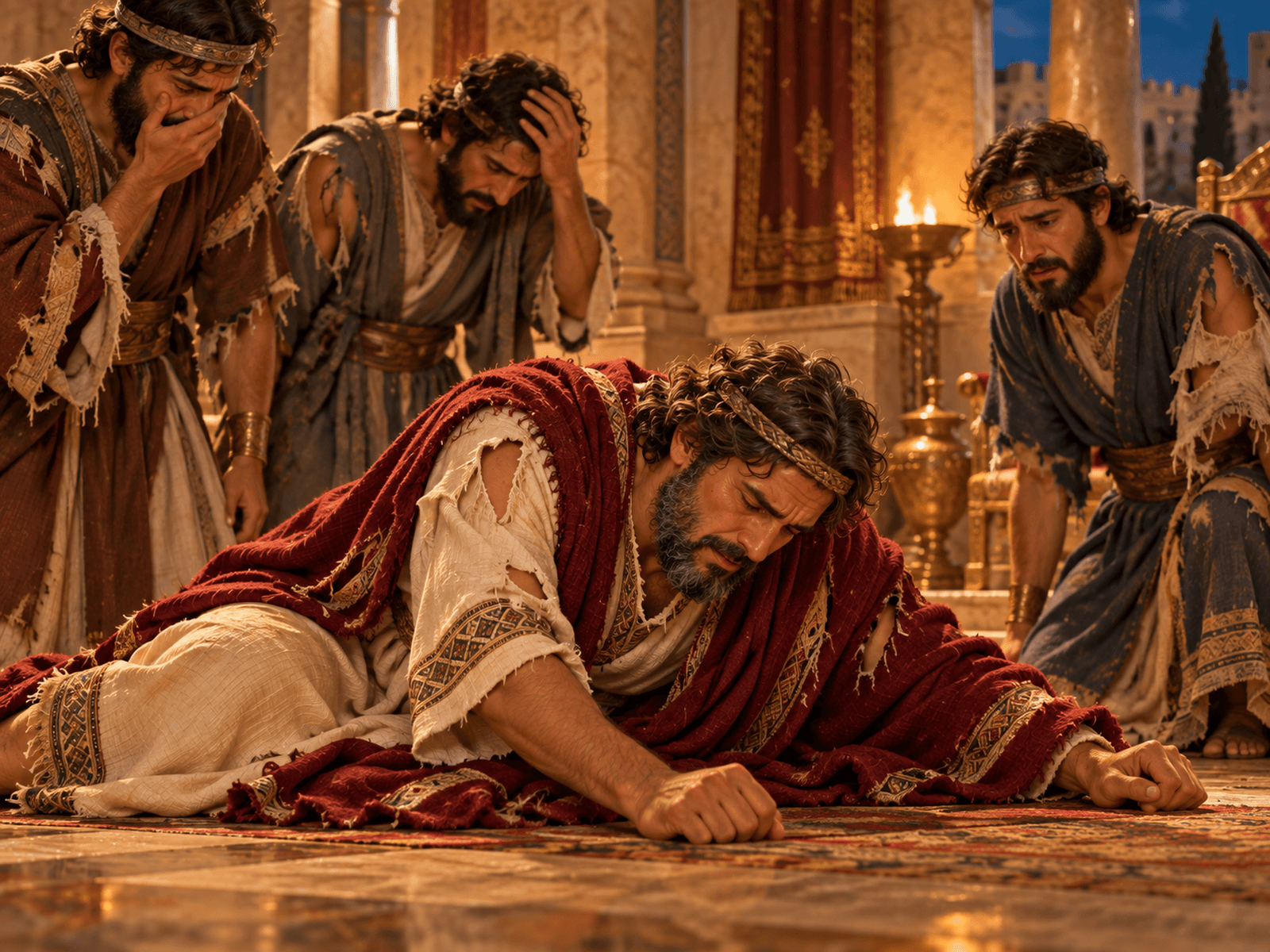
Illustrated scene from David's story: Trouble in David's House (2 Samuel 13:1–39)
Meet the people of the Bible
Follow their lives in order, with illustrated scenes and Bible passages that tell their stories.
 David

Photo: Photochrom print, Library of Congress Prints and Photographs Division (LCCN 2002724987). License: Public domain in the United States; Library of Congress states no known restrictions on publication. Source. Location: Hebron, West Bank; print preserved by the Library of Congress. Resized for the web.
Explore the places of the Bible
See where biblical events happened, why each place matters, and what archaeology helps us understand.
Hebron
Where Abraham lived and buried Sarah, and where David was first made king.
Get full access with one subscription
Explore the people and places of the Bible. Read summaries of every book, with images and clear explanations covering every chapter. Access all these features and our Bible study tools with one subscription.
See PlansAsk AI about 2 Samuel 13:29
Ask a question about this verse and get a clear answer, with Bible references you can read for yourself.
Every Bible book, explained chapter by chapter
Explore summaries of every book of the Bible, with images and easy-to-understand explanations covering every chapter.
Keep studying 2 Samuel 13:29
Related Bible verses
Key themes
At a Glance — the Book of 2 Samuel
- Author
- Traditionally attributed to Samuel, Nathan, and Gad
- Written
- Around 930 BC
- Genre
- Historical narrative
- Original Audience
- The Israelites of the early monarchy
Frequently Asked Questions
Quick, clear answers about this verse
What led to Absalom's decision to kill Amnon?
Absalom's decision to kill Amnon was driven by a deep sense of betrayal and anger. Amnon had wronged Absalom by assaulting his sister Tamar, which created a rift in the family. Absalom felt that justice was not served, leading him to plot revenge against Amnon. This act of violence illustrates how unresolved grievances can escalate into tragic outcomes.
What does the fleeing of the princes symbolize in this verse?
The fleeing of the princes symbolizes the chaos and fear that arise from conflict within a family. After Amnon's murder, the other princes panic and escape, highlighting the immediate consequences of Absalom's actions. Their flight represents the breakdown of trust and safety in the royal family, showing how quickly relationships can deteriorate when revenge and betrayal are involved.
How does this verse reflect the theme of revenge in the Bible?
This verse reflects the theme of revenge by showcasing the destructive consequences of Absalom's desire for retribution against Amnon. Instead of seeking justice through appropriate channels, Absalom takes matters into his own hands, leading to violence and further conflict. The Bible often warns against the cycle of revenge, emphasizing that it can lead to more harm and suffering.
What can we learn about family conflict from this passage?
This passage teaches us that unresolved issues within a family can lead to severe consequences, including violence and estrangement. It highlights the importance of addressing grievances openly and seeking reconciliation rather than allowing anger to fester. The story serves as a cautionary tale about the impact of betrayal and the need for communication and understanding in maintaining healthy family relationships.
Daily Verse — straight to your inbox
A verse and a 2-sentence plain-English explanation, every morning. Free. Unsubscribe anytime.