Old Testament
2 Samuel 14:30
Read the Bible in clear, modern English—easy to understand, faithful to the meaning, and written for everyday readers.
So Absalom told his servants, "Look, Joab's barley field is right next to mine. Go set it on fire." And Absalom's servants set the field ablaze.
Compare translations
Therefore he said unto his servants, See, Joab’s field is near mine, and he hath barley there; go and set it on fire. And Absalom’s servants set the field on fire.
What 2 Samuel 14:30 means
Plain-English insight for readers
In this passage, Absalom is frustrated with Joab, who has not responded to his requests. To get Joab's attention, Absalom decides to take drastic action. He instructs his servants to set Joab's barley field on fire, which is located right next to his own property. This act of destruction is a bold and aggressive way to express his anger and demand a response. Absalom's actions show how far he is willing to go to resolve his issues, even if it means causing harm to someone else's property. This moment highlights the tension between Absalom and Joab, as well as Absalom's impulsive nature. It serves as a reminder that sometimes, when we feel ignored or overlooked, we might resort to extreme measures to make our voices heard. However, such actions can lead to further conflict and consequences that we may not anticipate. Absalom's choice to burn the field illustrates the dangers of letting anger dictate our actions, often leading to regret and escalation of problems instead of resolution.
How to apply 2 Samuel 14:30 to your life
When faced with frustration, it's important to consider the consequences of our actions. Instead of reacting impulsively, we should take a moment to reflect on how to communicate our feelings constructively. Finding healthy ways to express our needs can prevent unnecessary conflict and damage in our relationships. Remember, patience often leads to better outcomes than rash decisions.
Curated for this public verse page. 2 Samuel Summary
Explore more of the Bible
Learn the Bible through its people and places
Get to know the people in Scripture through illustrated stories, and explore the places where they lived and traveled.

Illustrated scene from Esther's story: Esther Becomes Queen (Esther 2:1–18)
Meet the people of the Bible
Follow their lives in order, with illustrated scenes and Bible passages that tell their stories.
 Esther
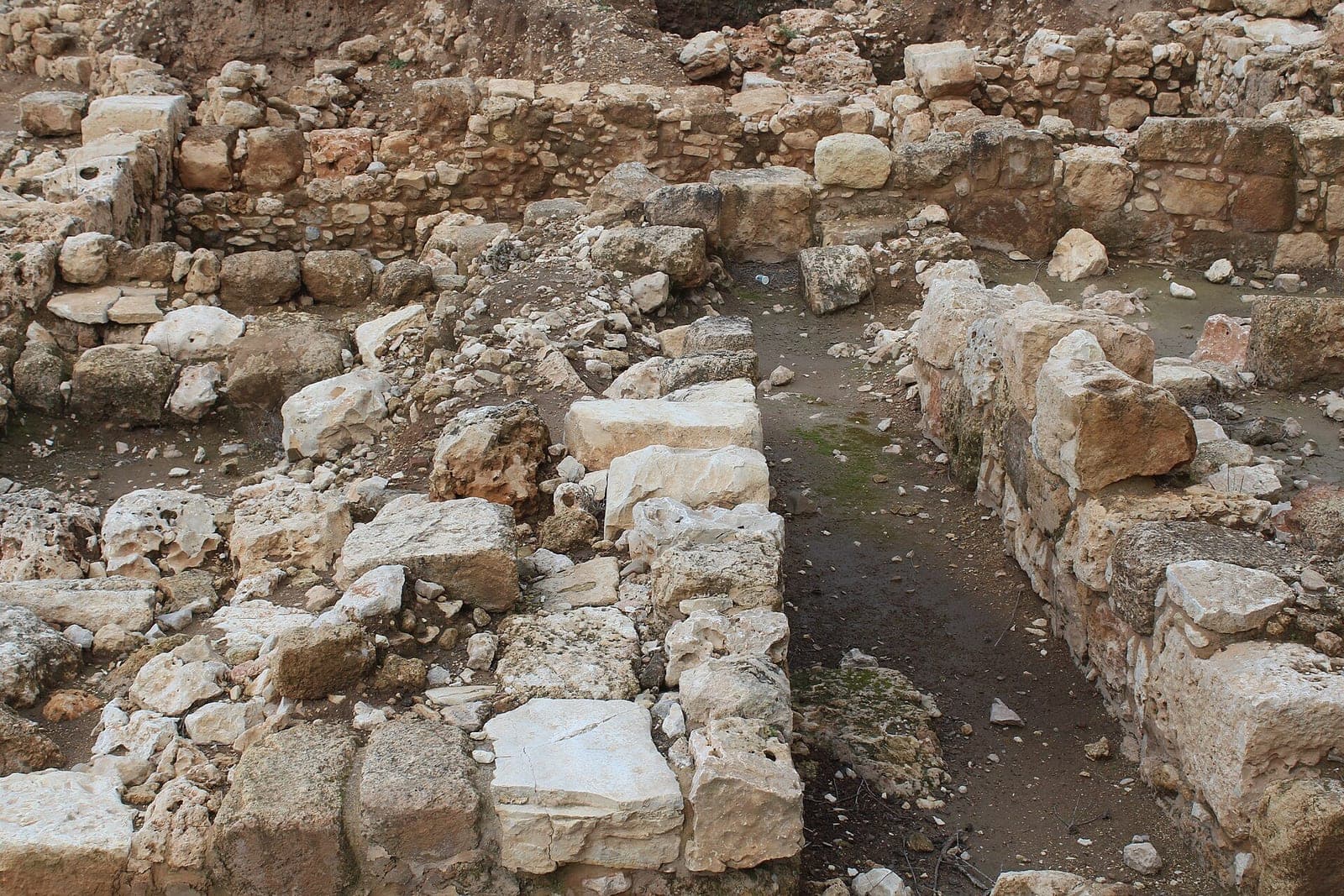
Photo: Deror Avi, via Wikimedia Commons. License: CC BY-SA 4.0. Source. Location: Tel Shiloh archaeological site, West Bank. Resized for the web.
Explore the places of the Bible
See where biblical events happened, why each place matters, and what archaeology helps us understand.
Shiloh
Where Israel set up the tabernacle, and where God called the boy Samuel.
Get full access with one subscription
Explore the people and places of the Bible. Read summaries of every book, with images and clear explanations covering every chapter. Access all these features and our Bible study tools with one subscription.
See PlansAsk AI about 2 Samuel 14:30
Ask a question about this verse and get a clear answer, with Bible references you can read for yourself.
Every Bible book, explained chapter by chapter
Explore summaries of every book of the Bible, with images and easy-to-understand explanations covering every chapter.
Keep studying 2 Samuel 14:30
Related Bible verses
Related topics
At a Glance — the Book of 2 Samuel
- Author
- Traditionally attributed to Samuel, Nathan, and Gad
- Written
- Around 930 BC
- Genre
- Historical narrative
- Original Audience
- The Israelites of the early monarchy
Frequently Asked Questions
Quick, clear answers about this verse
What does 2 Samuel 14:30 mean?
In 2 Samuel 14:30, Absalom is frustrated with Joab for not responding to him. To get Joab's attention, he orders his servants to burn Joab's barley field, showing his impulsive nature and willingness to escalate conflict.
What themes are present in 2 Samuel 14:30?
The themes in 2 Samuel 14:30 include anger, conflict, impulsiveness, and the consequences of destructive actions. It reflects how unresolved feelings can lead to extreme measures.
How can we apply the lesson from 2 Samuel 14:30 in our lives?
The lesson from 2 Samuel 14:30 encourages us to manage our frustrations constructively. Instead of reacting impulsively, we should seek healthy ways to communicate our needs to avoid unnecessary conflict.
Daily Verse — straight to your inbox
A verse and a 2-sentence plain-English explanation, every morning. Free. Unsubscribe anytime.