Old Testament
2 Samuel 18:21
Read the Bible in clear, modern English—easy to understand, faithful to the meaning, and written for everyday readers.
Then Joab turned to a Cushite messenger and said, "Go tell the king what you've seen." The Cushite bowed to Joab and took off running.
Compare translations
Then said Joab to Cushi, Go tell the king what thou hast seen. And Cushi bowed himself unto Joab, and ran.
What 2 Samuel 18:21 means
Plain-English insight for readers
In this moment, Joab, a military leader, gives a specific task to a messenger from Cush. He instructs the messenger to report back to the king about what he has witnessed on the battlefield. The messenger, showing respect, bows to Joab before sprinting off to deliver the news. This scene highlights the urgency of communication in times of conflict. The messenger's swift action reflects the importance of relaying information quickly, especially in critical situations. Joab's command emphasizes the role of leadership in directing others and ensuring that vital updates reach those in authority. The act of bowing signifies respect and acknowledgment of Joab's position, illustrating the hierarchy present in their society. This brief exchange encapsulates the tension and urgency of wartime decisions, reminding us of the weight of responsibility leaders carry when making choices that affect many lives. It also shows how every individual, regardless of their background, plays a part in the larger narrative of events.
How to apply 2 Samuel 18:21 to your life
In our daily lives, we often find ourselves in positions where we must communicate important information. Like the messenger, we should act swiftly and respectfully when tasked with sharing news. Recognizing the significance of our roles can help us contribute meaningfully to our communities. Every message we deliver can impact others significantly, so let’s be mindful of how we communicate and act with purpose.
Curated for this public verse page. 2 Samuel Summary
Learn the Bible through its people and places
Get to know the people in Scripture through illustrated stories, and explore the places where they lived and traveled.

Illustrated scene from David's story: “O My Son Absalom” (2 Samuel 18:1–33)
Meet the people of the Bible
Follow their lives in order, with illustrated scenes and Bible passages that tell their stories.
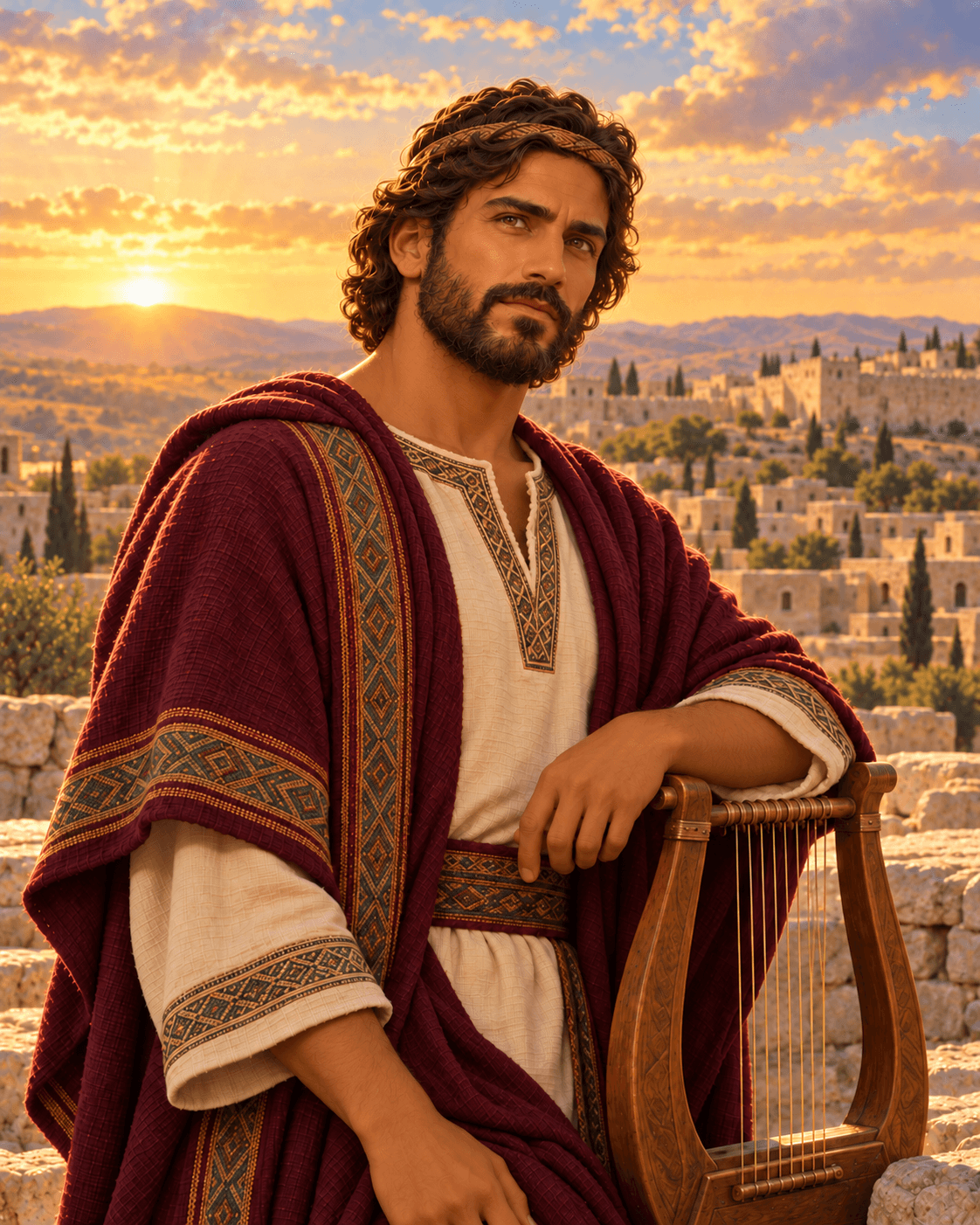 David
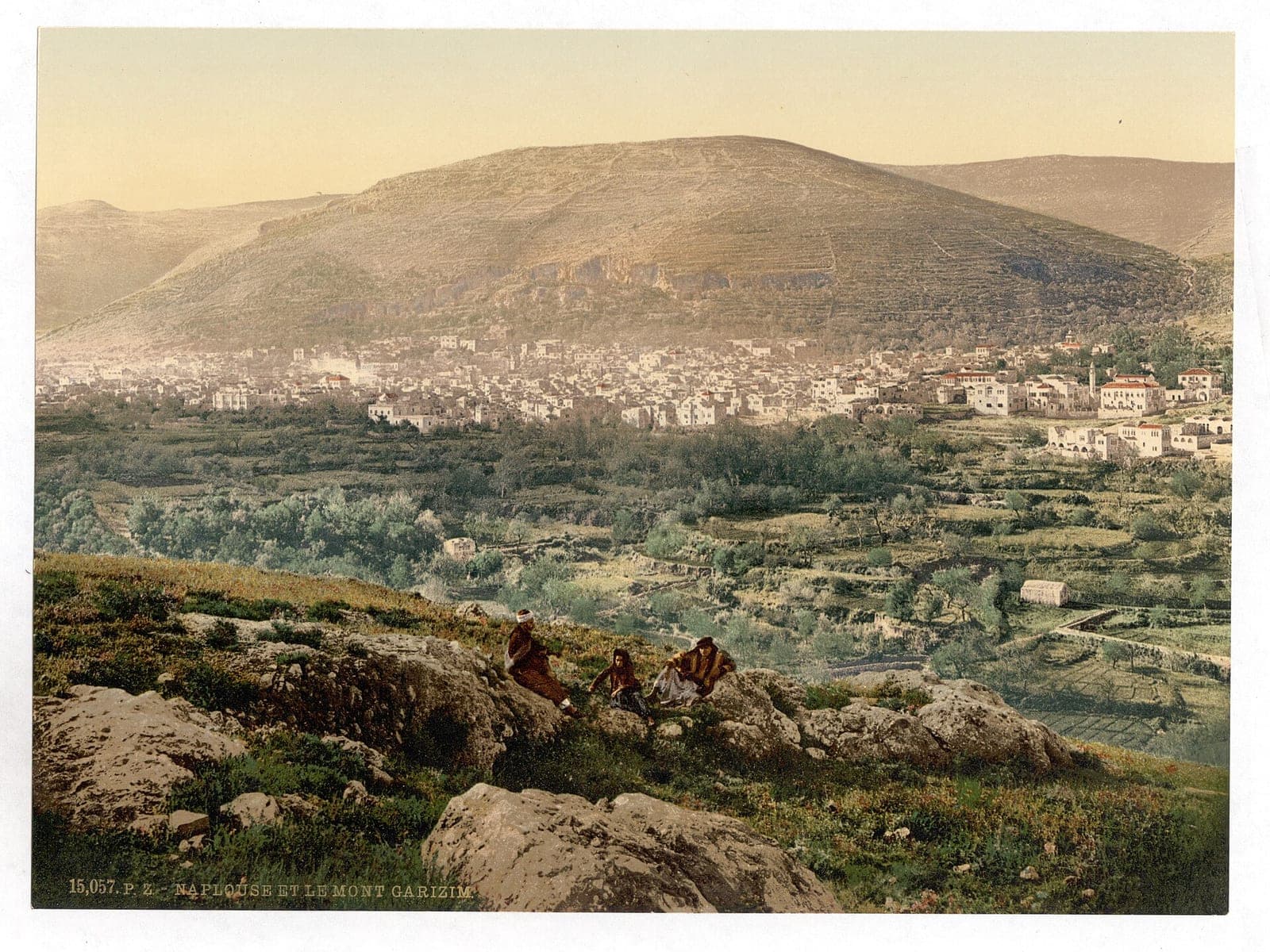
Photo: Photochrom print, Library of Congress Prints and Photographs Division (LCCN 2002725043). License: Public domain in the United States; Library of Congress states no known restrictions on publication. Source. Location: Nablus and Mount Gerizim, West Bank; print preserved by the Library of Congress. Resized for the web.
Explore the places of the Bible
See where biblical events happened, why each place matters, and what archaeology helps us understand.
Shechem
Where God promised the land to Abram, and where Joshua led Israel to renew the covenant.
Get full access with one subscription
Explore the people and places of the Bible. Read summaries of every book, with images and clear explanations covering every chapter. Access all these features and our Bible study tools with one subscription.
See PlansAsk AI about 2 Samuel 18:21
Ask a question about this verse and get a clear answer, with Bible references you can read for yourself.
Every Bible book, explained chapter by chapter
Explore summaries of every book of the Bible, with images and easy-to-understand explanations covering every chapter.
Keep studying 2 Samuel 18:21
Related Bible verses
Key themes
Related topics
At a Glance — the Book of 2 Samuel
- Author
- Traditionally attributed to Samuel, Nathan, and Gad
- Written
- Around 930 BC
- Genre
- Historical narrative
- Original Audience
- The Israelites of the early monarchy
Frequently Asked Questions
Quick, clear answers about this verse
What does 2 Samuel 18:21 mean?
2 Samuel 18:21 describes Joab instructing a Cushite messenger to report to the king about the battle. This highlights the importance of communication in leadership and the urgency of relaying critical information during wartime.
What is the significance of the Cushite messenger in 2 Samuel 18:21?
The Cushite messenger represents the role of individuals in conveying important news. His swift action and respectful bow to Joab underscore the hierarchy and respect within the military structure.
What does Joab's command reveal in 2 Samuel 18:21?
Joab's command reveals the critical nature of leadership in times of conflict. It shows how leaders must direct others to ensure that important updates reach those in authority quickly.
How does 2 Samuel 18:21 relate to communication in our lives?
2 Samuel 18:21 highlights the importance of timely and respectful communication. It reminds us that, like the messenger, we should act swiftly and thoughtfully when sharing important information in our own lives.
Daily Verse — straight to your inbox
A verse and a 2-sentence plain-English explanation, every morning. Free. Unsubscribe anytime.