Old Testament
2 Samuel 20:1
Read the Bible in clear, modern English—easy to understand, faithful to the meaning, and written for everyday readers.
Now there was a man of Belial named Sheba, the son of Bichri, a Benjamite. He blew a trumpet and said, "We have no part in David, nor any inheritance in the son of Jesse. Every man to his tents, O Israel!"
Compare translations
And there happened to be there a man of Belial, whose name was Sheba, the son of Bichri, a Benjamite: and he blew a trumpet, and said, We have no part in David, neither have we inheritance in the son of Jesse: every man to his tents, O Israel.
What 2 Samuel 20:1 means
Plain-English insight for readers
In this passage, we meet Sheba, a man who stirs up trouble among the people of Israel. He declares that they have no allegiance to King David, urging them to return to their homes. This act of rebellion highlights the divisions within the nation. Sheba's call to arms is a rejection of David's leadership, suggesting that some people felt disconnected from the king. His actions remind us that discontent can lead to conflict and division. The trumpet he blows symbolizes a rallying cry, but it also signifies chaos and unrest. This moment serves as a warning about the power of words and how they can influence others. It’s a reminder that leadership requires unity and trust, and when those are lacking, turmoil can arise. Sheba's rebellion ultimately leads to significant consequences, illustrating the importance of loyalty and the dangers of dissent in a community. Understanding this helps us reflect on our own relationships and the impact of our words on others' unity and peace.
How to apply 2 Samuel 20:1 to your life
Consider how your words and actions affect those around you. Are you fostering unity or division in your relationships? Strive to be a source of encouragement and support, promoting peace and understanding rather than conflict. Remember, your influence can shape the community you are part of, for better or worse. Choose wisely how you lead and communicate with others.
Curated for this public verse page. 2 Samuel Summary
Explore more of the Bible
Learn the Bible through its people and places
Get to know the people in Scripture through illustrated stories, and explore the places where they lived and traveled.

Illustrated scene from Ruth's story: Three Widows (Ruth 1:1–5)
Meet the people of the Bible
Follow their lives in order, with illustrated scenes and Bible passages that tell their stories.
 Ruth
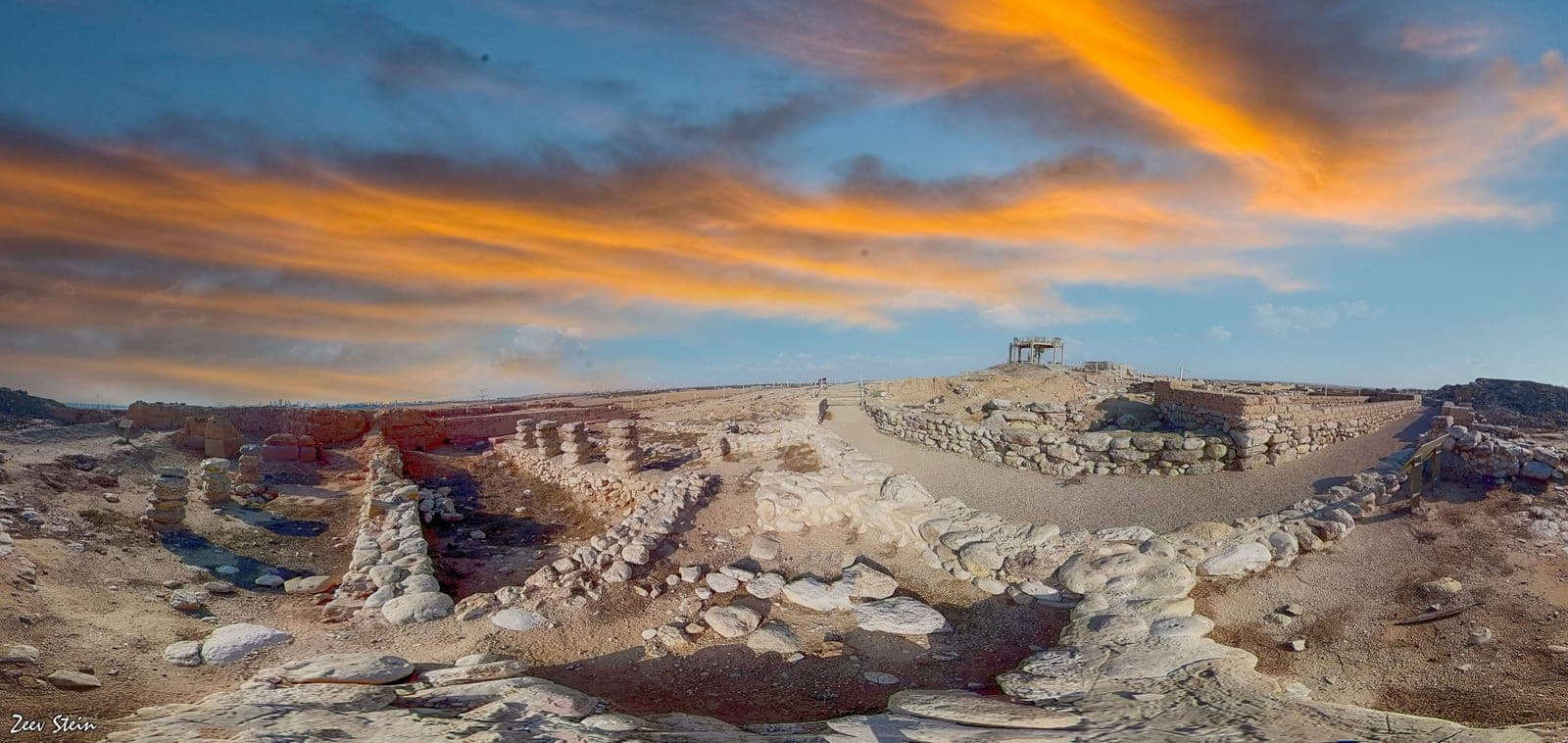
Photo: Zeev Stein / PikiWiki Israel, via Wikimedia Commons. License: CC BY 2.5. Source. Location: Tel Beer Sheva National Park, Israel. Resized for the web.
Explore the places of the Bible
See where biblical events happened, why each place matters, and what archaeology helps us understand.
Beersheba
Where Abraham and Isaac dug wells and worshiped the LORD, at the southern edge of the land.
Get full access with one subscription
Explore the people and places of the Bible. Read summaries of every book, with images and clear explanations covering every chapter. Access all these features and our Bible study tools with one subscription.
See PlansAsk AI about 2 Samuel 20:1
Ask a question about this verse and get a clear answer, with Bible references you can read for yourself.
Every Bible book, explained chapter by chapter
Explore summaries of every book of the Bible, with images and easy-to-understand explanations covering every chapter.
Keep studying 2 Samuel 20:1
Related Bible verses
Related topics
At a Glance — the Book of 2 Samuel
- Author
- Traditionally attributed to Samuel, Nathan, and Gad
- Written
- Around 930 BC
- Genre
- Historical narrative
- Original Audience
- The Israelites of the early monarchy
Frequently Asked Questions
Quick, clear answers about this verse
What does 2 Samuel 20:1 mean?
2 Samuel 20:1 describes Sheba, a man who incites rebellion against King David. He declares that the people of Israel have no allegiance to David, urging them to return to their homes. This highlights the divisions within the nation and the potential for conflict when loyalty is questioned.
What is the significance of Sheba in 2 Samuel 20:1?
Sheba represents dissent and rebellion against King David's authority. His actions and words rally others to his cause, illustrating how one person's influence can lead to division and unrest within a community.
What does 'man of Belial' mean in 2 Samuel 20:1?
The term 'man of Belial' refers to someone who is worthless or wicked. In this context, it characterizes Sheba as a troublemaker who seeks to undermine the leadership of King David.
What does the trumpet symbolize in 2 Samuel 20:1?
The trumpet blown by Sheba symbolizes a call to arms and a rallying cry for rebellion. It signifies chaos and unrest, highlighting the seriousness of his challenge to David's rule.
Daily Verse — straight to your inbox
A verse and a 2-sentence plain-English explanation, every morning. Free. Unsubscribe anytime.