2 Samuel 21:17
But Abishai son of Zeruiah came to his aid, struck the Philistine, and killed him. Then David's men made him swear, saying, 'You shall not go out with us to battle anymore, so that you do not extinguish the light of Israel.'
What 2 Samuel 21:17 means
Plain-English insight for readers
In this moment, Abishai, a loyal warrior, comes to King David's rescue during a fierce battle against the Philistines. He bravely confronts and kills the enemy, showcasing his courage and commitment to protecting his king. After this act, David's men express their concern for David's safety. They urge him to refrain from joining future battles, emphasizing that his life is vital for Israel. They refer to him as the 'light of Israel,' highlighting his importance as a leader and symbol of hope. This moment illustrates the deep bond between David and his men, as well as their understanding of the value of leadership. It reminds us that sometimes, protecting those we admire means making sacrifices for their well-being. The loyalty and love shown by Abishai and David's men reflect the strength of community and the importance of valuing life in the face of danger. Their actions remind us that true strength often lies in supporting one another and recognizing the unique roles we play in our lives.
How to apply 2 Samuel 21:17 to your life
Consider the people in your life who inspire you. How can you support them in their roles? Sometimes, the best way to show love is to protect and encourage those we admire. Reflect on how you can be a source of strength for others today. Your support can make a significant difference in their lives and the community around you.
In the King James Version
But Abishai the son of Zeruiah succoured him, and smote the Philistine, and killed him. Then the men of David sware unto him, saying, Thou shalt go no more out with us to battle, that thou quench not the light of Israel.
Ask about this verse
Tap a question to get a clear answer from Scripture.
Example answer · Premium
“What does calling David 'the light of Israel' mean for his role as king?”
In the Clear Bible Translation, 2 Samuel 21:17 reads: "Then David's men made him swear, saying, 'You shall not go out with us to battle anymore, so that you do not extinguish the light of Israel.'" The American King James Version and World English Bible use "quench not the light" and "don't quench the lamp," which carry the same meaning — the image is of a flame that can be put out. David's men call him "the light of Israel" to mean he is the nation's vital center and hope. A king who dies in battle leaves the kingdom vulnerable and its future uncertain; his life is essential to Israel's survival and continuity. The phrase reflects how deeply David's leadership, his very existence as king, was bound to the nation's wellbeing and security. This comes in the context of David growing old and exhausted in battle — his men are protecting not just a person, but the symbol and substance of Israel's stability.
From Scripture: 2 Samuel 21:17 · 2 Samuel 21:15
Have a question about this verse? Explore it with ClearBible.
Premium answers your questions about any verse from Scripture itself, shows the verses it rests on, and opens Clear on every passage. You also get all 66 book summaries.
7 days free, then $99/year. Card required. Cancel anytime.
Explore more of the Bible
Learn the Bible through its people and places
Get to know the people in Scripture through illustrated stories, and explore the places where they lived and traveled.
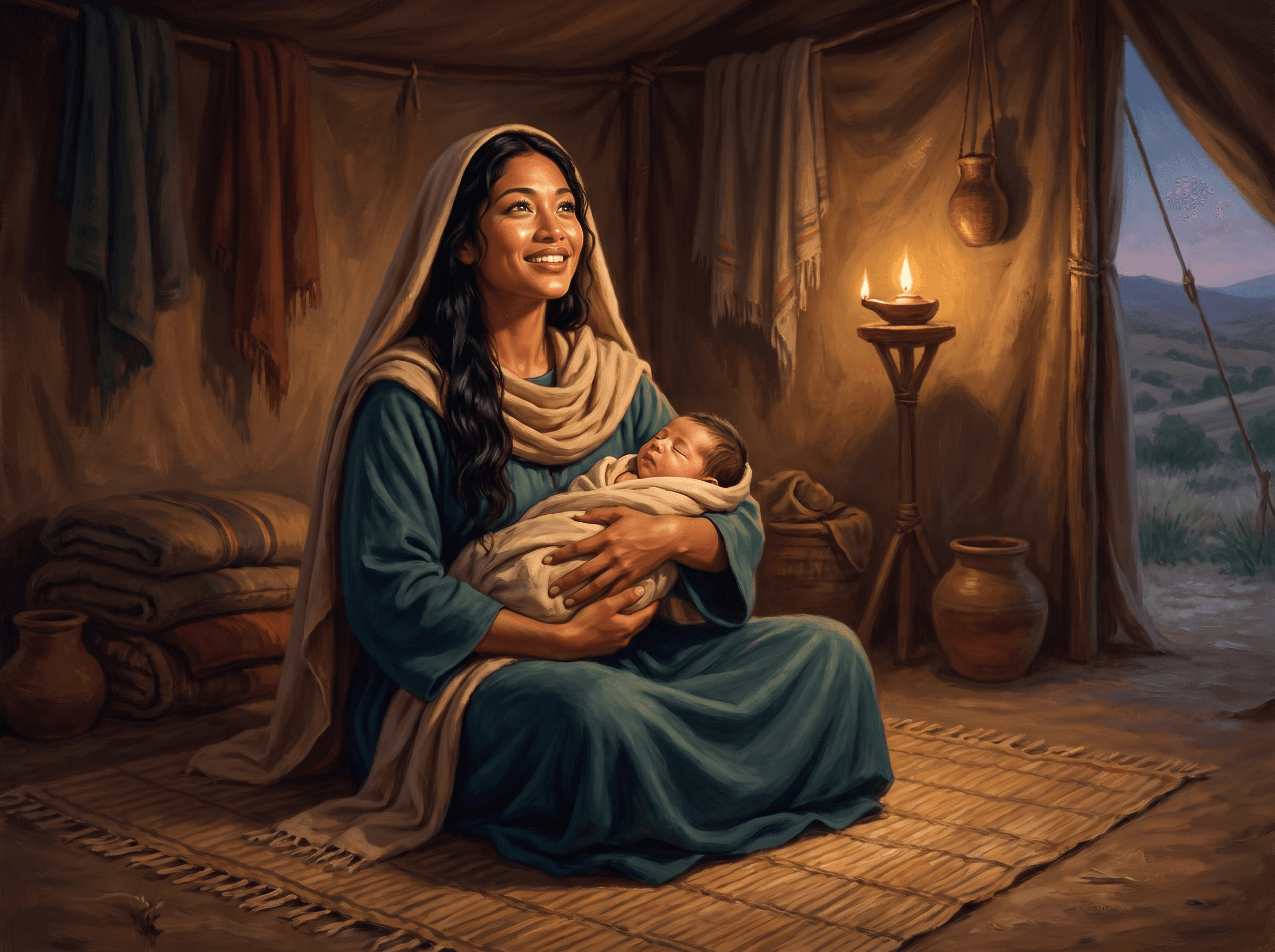
Illustrated scene from Joseph, Jacob's son's story: Joseph Is Born (Genesis 30:22–24)
Meet the people of the Bible
Follow their lives in order, with illustrated scenes and Bible passages that tell their stories.
 Joseph, Jacob's son
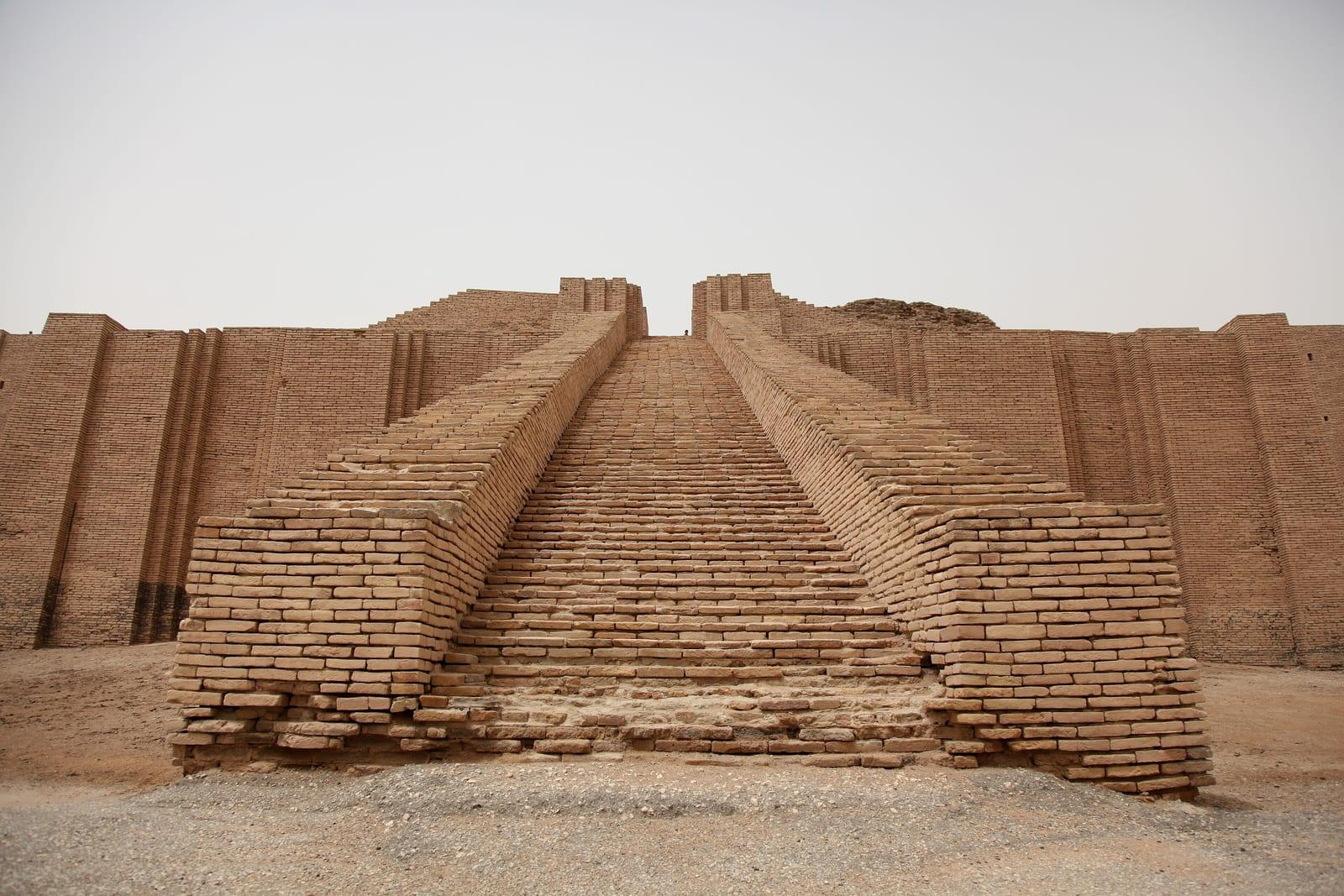
Photo: U.S. Army photo by Spc. Samantha R. Ciaramitaro, via DVIDS and Wikimedia Commons. License: Public domain in the United States — U.S. federal-government work. Source. Location: Great Ziggurat, Ur Archaeological City (Tell el-Mukayyar), Dhi Qar Governorate, Iraq. Resized for the web.
Explore the places of the Bible
See where biblical events happened, why each place matters, and what archaeology helps us understand.
Ur
The city Abram's family left to travel toward Canaan.
Every Bible book, explained chapter by chapter
Explore summaries of every book of the Bible, with images and easy-to-understand explanations covering every chapter.
Keep studying 2 Samuel 21:17
Related Bible verses
Related topics
At a Glance — the Book of 2 Samuel
- Author
- Traditionally attributed to Samuel, Nathan, and Gad
- Written
- Around 930 BC
- Genre
- Historical narrative
- Original Audience
- The Israelites of the early monarchy
Frequently Asked Questions
Quick, clear answers about this verse
What does 2 Samuel 21:17 mean?
2 Samuel 21:17 describes a moment when Abishai saves King David from a Philistine warrior. It highlights Abishai's bravery and loyalty, as well as the concern of David's men for their king's safety, emphasizing David's crucial role as a leader in Israel.
What is the significance of 'the light of Israel' in 2 Samuel 21:17?
In 2 Samuel 21:17, 'the light of Israel' refers to King David's importance as a leader and symbol of hope for the nation. This phrase underscores the idea that David's life is vital for the well-being and future of Israel.
How does 2 Samuel 21:17 reflect themes of loyalty and sacrifice?
2 Samuel 21:17 shows loyalty through Abishai's actions in defending David, while the men of David sacrifice his participation in battles to ensure his safety. This reflects the deep bonds of friendship and duty among them.
What can we learn from 2 Samuel 21:17 about leadership?
This verse teaches that effective leadership involves not only courage but also the recognition of one's value to others. David's men understood that protecting their leader was essential for the strength of their community.
Daily Verse — straight to your inbox
A verse and a 2-sentence plain-English explanation, every morning. Free. Unsubscribe anytime.