Old Testament
2 Samuel 24:22
Read the Bible in clear, modern English—easy to understand, faithful to the meaning, and written for everyday readers.
Araunah said to David, "Take whatever you need, my lord the king, and offer your sacrifice. Here — take the oxen for the burnt offering, and use the threshing sledges and ox yokes for firewood."
Compare translations
And Araunah said unto David, Let my lord the king take and offer up what seemeth good unto him: behold, here be oxen for burnt sacrifice, and threshing instruments and other instruments of the oxen for wood.
What 2 Samuel 24:22 means
Plain-English insight for readers
In this moment, Araunah, a loyal subject, offers everything David needs for his sacrifice. He shows great generosity by providing oxen for the burnt offering and even the tools necessary for the fire. Araunah's willingness to give reflects a deep respect for the king and the importance of worship. This act of offering is not just about the physical items; it symbolizes a heart ready to serve and honor God. David, recognizing the significance of this moment, understands that true worship requires sacrifice. He could have taken the offerings for free, but he chooses to pay for them, emphasizing that genuine worship involves personal investment. This story illustrates the value of giving and the spirit of sacrifice in our relationship with God. It reminds us that our offerings should come from a place of love and commitment, not obligation. Araunah's actions encourage us to consider how we can contribute to our communities and faith with open hearts and hands, just as he did for David.
How to apply 2 Samuel 24:22 to your life
Consider how you can offer your time, resources, or talents to support others in your community. Reflect on the importance of giving from the heart, not just fulfilling obligations. Genuine contributions can strengthen relationships and deepen your connection to your faith and community. Embrace opportunities to serve with joy and purpose!
Curated for this public verse page. 2 Samuel Summary
Learn the Bible through its people and places
Get to know the people in Scripture through illustrated stories, and explore the places where they lived and traveled.
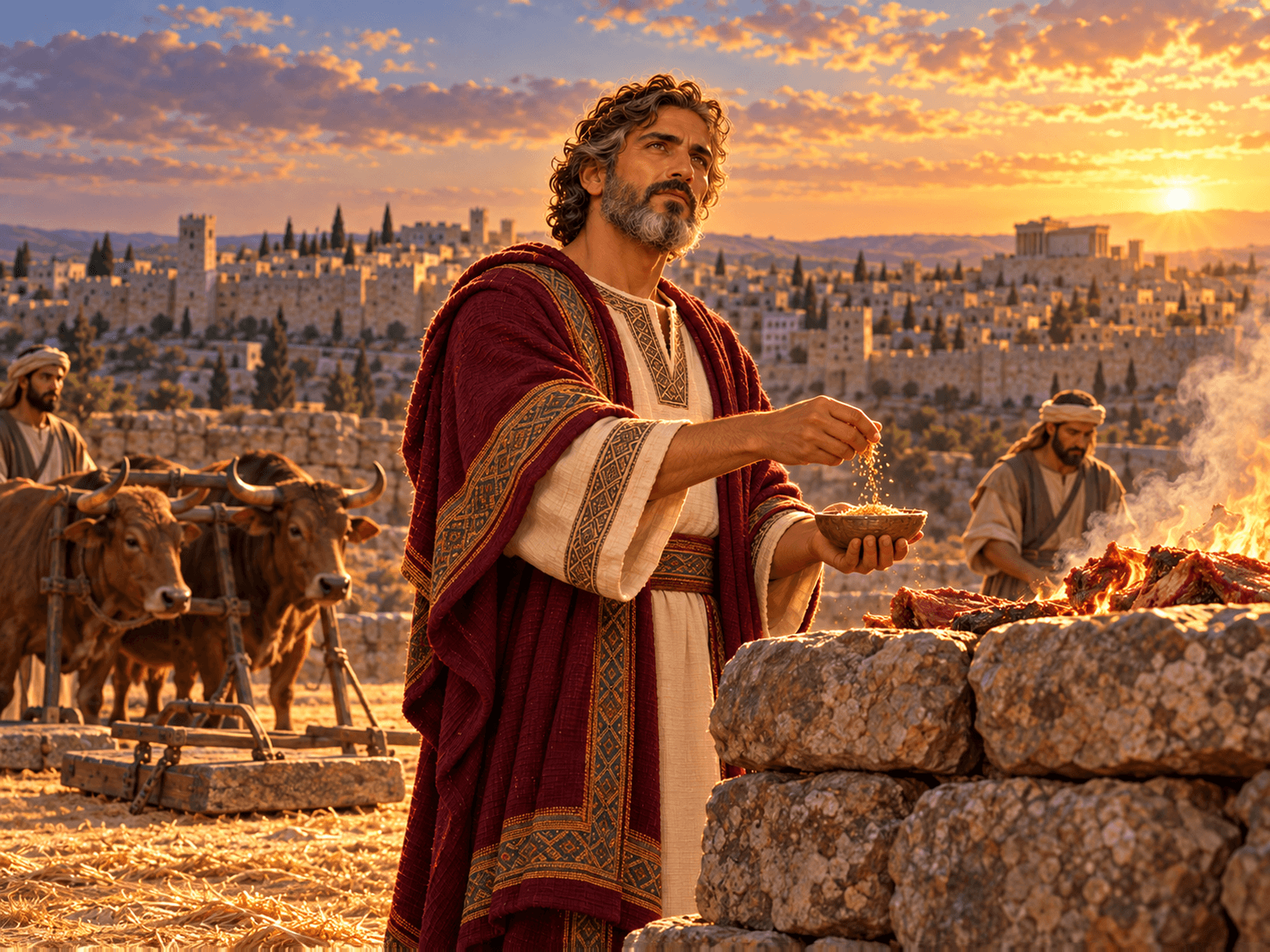
Illustrated scene from David's story: The Census and the Threshing Floor (2 Samuel 24:1–25)
Meet the people of the Bible
Follow their lives in order, with illustrated scenes and Bible passages that tell their stories.
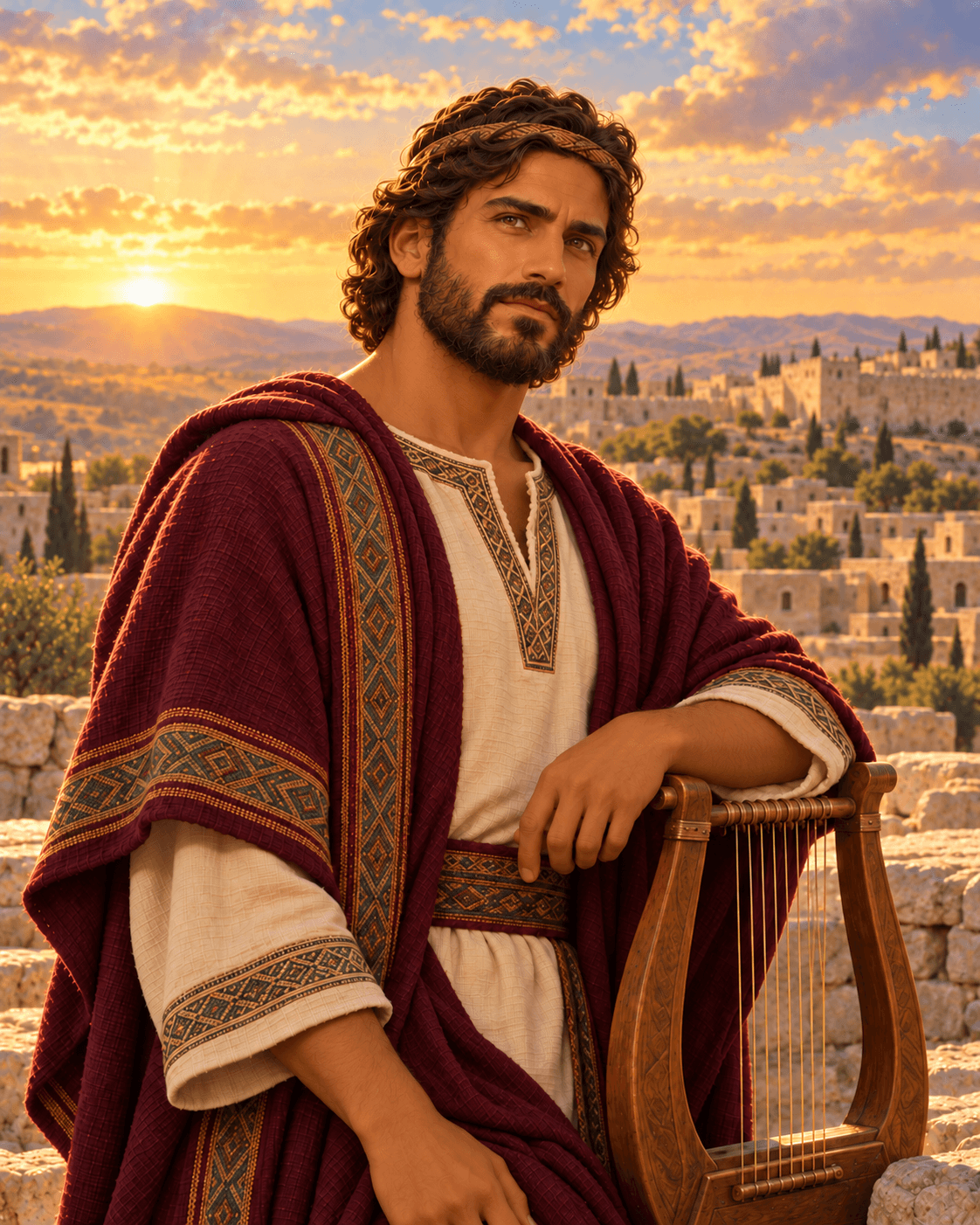 David
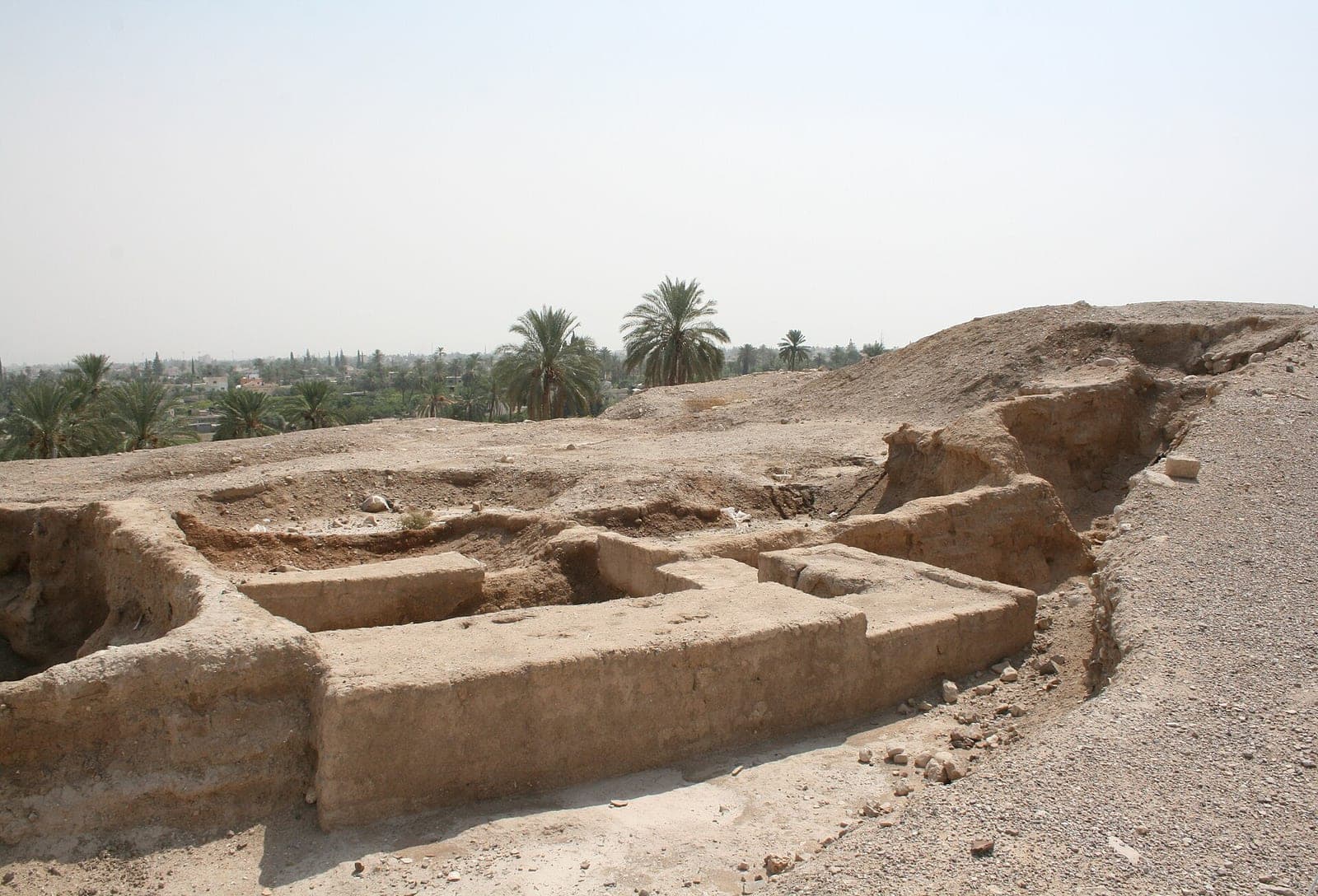
Photo: Diego Delso, via Wikimedia Commons. License: CC BY-SA 3.0. Source. Location: Tell es-Sultan, Jericho, West Bank. Resized for the web.
Explore the places of the Bible
See where biblical events happened, why each place matters, and what archaeology helps us understand.
Jericho
The city of palm trees, whose walls fell in Joshua's day.
Get full access with one subscription
Explore the people and places of the Bible. Read summaries of every book, with images and clear explanations covering every chapter. Access all these features and our Bible study tools with one subscription.
See PlansAsk AI about 2 Samuel 24:22
Ask a question about this verse and get a clear answer, with Bible references you can read for yourself.
Every Bible book, explained chapter by chapter
Explore summaries of every book of the Bible, with images and easy-to-understand explanations covering every chapter.
Keep studying 2 Samuel 24:22
Related Bible verses
Key themes
Related topics
At a Glance — the Book of 2 Samuel
- Author
- Traditionally attributed to Samuel, Nathan, and Gad
- Written
- Around 930 BC
- Genre
- Historical narrative
- Original Audience
- The Israelites of the early monarchy
Frequently Asked Questions
Quick, clear answers about this verse
What does Araunah's offer to David signify?
Araunah's offer to David signifies deep respect and generosity. By providing oxen for the burnt offering and the necessary tools for firewood, Araunah demonstrates his willingness to support the king's worship of God. This act reflects a heart ready to serve and honor God, highlighting the importance of giving in worship.
Why did David choose to pay for the offerings instead of taking them for free?
David chose to pay for the offerings to emphasize that true worship requires personal investment. By purchasing the oxen and materials, he acknowledges that genuine worship involves sacrifice and commitment. This decision underscores the principle that our offerings should come from a place of love and dedication, rather than obligation.
How can we apply the themes of generosity and sacrifice in our lives?
We can apply the themes of generosity and sacrifice by actively seeking opportunities to support others in our community. This could involve volunteering time, sharing resources, or using our talents to help those in need. Reflecting on the importance of giving from the heart can strengthen our relationships and deepen our connection to our faith.
What does this verse teach us about the nature of worship?
This verse teaches us that worship is not just about rituals or offerings; it is about the heart behind those actions. True worship involves sacrifice and a willingness to give, reflecting our commitment to God. It reminds us that our contributions should be meaningful and stem from a desire to honor God, rather than merely fulfilling a duty.
Daily Verse — straight to your inbox
A verse and a 2-sentence plain-English explanation, every morning. Free. Unsubscribe anytime.