New Testament
Acts 10:14
Read the Bible in clear, modern English—easy to understand, faithful to the meaning, and written for everyday readers.
But Peter said, "Absolutely not, Lord! I have never eaten anything common or unclean."
Compare translations
But Peter said, Not so, Lord; for I have never eaten any thing that is common or unclean.
What Acts 10:14 means
Plain-English insight for readers
In this moment, Peter is confronted with a significant challenge to his beliefs. He firmly tells God that he cannot eat anything that is considered unclean or common. This reflects his deep commitment to the dietary laws he has followed all his life. Peter's response shows his struggle between tradition and the new direction God is leading him. It highlights the tension between old customs and the fresh understanding of God's message. This encounter is pivotal, as it sets the stage for a broader acceptance of all people, regardless of their background. Peter's reluctance reveals how hard it can be to let go of ingrained beliefs. Ultimately, this moment is about transformation and the willingness to embrace change in our understanding of others. It challenges us to reconsider our own biases and the barriers we may unintentionally uphold in our lives. Peter's journey is a reminder that growth often requires us to step outside our comfort zones and embrace new perspectives.
How to apply Acts 10:14 to your life
Reflect on your own beliefs and biases. Are there areas where you might be holding onto old views that prevent you from accepting others? Challenge yourself to be open to new ideas and perspectives. Embracing change can lead to personal growth and deeper connections with those around you. Remember, transformation often starts with a willingness to listen and learn from others' experiences.
Curated for this public verse page. Acts Summary
Learn the Bible through its people and places
Get to know the people in Scripture through illustrated stories, and explore the places where they lived and traveled.

Illustrated scene from Peter's story: The Vision on the Roof (Acts 10:9–16)
Meet the people of the Bible
Follow their lives in order, with illustrated scenes and Bible passages that tell their stories.
 Peter
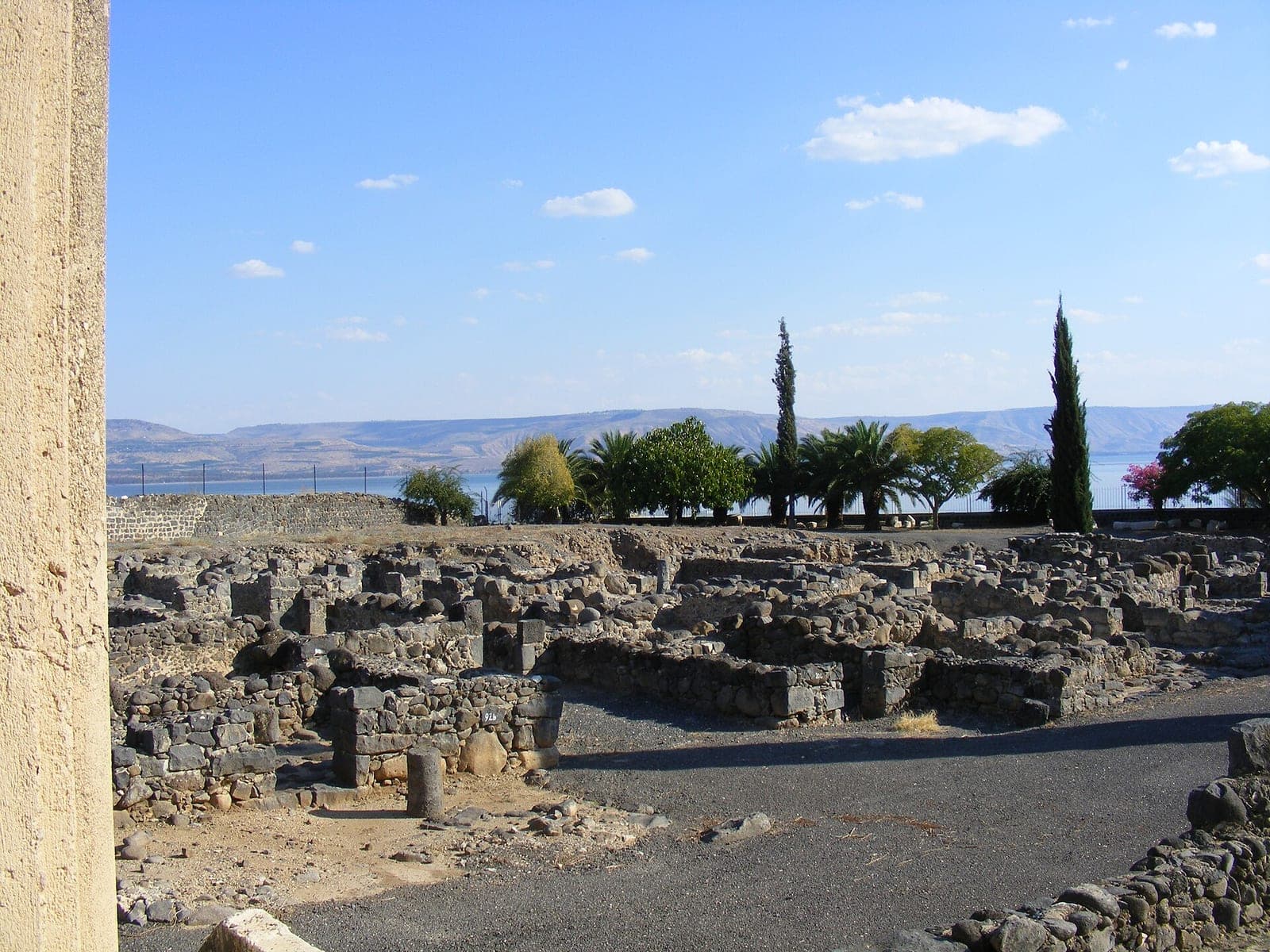
Photo: zeevveez, via Wikimedia Commons. License: CC BY 2.0. Source. Location: Capernaum, on the northern shore of the Sea of Galilee. Resized for the web.
Explore the places of the Bible
See where biblical events happened, why each place matters, and what archaeology helps us understand.
Capernaum
Jesus' home base by the Sea of Galilee, and the town where Peter lived.
Get full access with one subscription
Explore the people and places of the Bible. Read summaries of every book, with images and clear explanations covering every chapter. Access all these features and our Bible study tools with one subscription.
See PlansAsk AI about Acts 10:14
Ask a question about this verse and get a clear answer, with Bible references you can read for yourself.
Every Bible book, explained chapter by chapter
Explore summaries of every book of the Bible, with images and easy-to-understand explanations covering every chapter.
Keep studying Acts 10:14
Related Bible verses
Key themes
Related topics
At a Glance — the Book of Acts
- Author
- Luke the physician
- Written
- Around AD 62
- Genre
- Historical narrative
- Original Audience
- Gentile Christians (addressed to Theophilus)
Frequently Asked Questions
Quick, clear answers about this verse
What does Acts 10:14 mean?
Acts 10:14 shows Peter's struggle with God's command to eat what he considered unclean. It highlights the conflict between his adherence to Jewish dietary laws and the new direction God is leading him toward inclusivity.
What is the significance of Peter's response in Acts 10:14?
Peter's response in Acts 10:14 reflects his deep commitment to Jewish traditions and the challenge of accepting a broader understanding of God's message. This moment is crucial for the early church as it marks a shift towards accepting all people.
What does 'common or unclean' refer to in Acts 10:14?
In Acts 10:14, 'common or unclean' refers to foods that Jewish law deemed unacceptable for consumption. This term underscores the dietary restrictions that Peter followed, which were central to his identity as a Jew.
How does Acts 10:14 relate to themes of transformation?
Acts 10:14 illustrates the theme of transformation by showing Peter's internal conflict as he grapples with changing beliefs. It emphasizes the need to let go of old customs to embrace new understandings of God's will.
Daily Verse — straight to your inbox
A verse and a 2-sentence plain-English explanation, every morning. Free. Unsubscribe anytime.