New Testament
Acts 13:1
Read the Bible in clear, modern English—easy to understand, faithful to the meaning, and written for everyday readers.
In the church at Antioch, there were prophets and teachers: Barnabas, Simeon (who was called Niger), Lucius from Cyrene, Manaen (who had been brought up with Herod the tetrarch), and Saul.
Compare translations
Now there were in the church that was at Antioch certain prophets and teachers; as Barnabas, and Simeon that was called Niger, and Lucius of Cyrene, and Manaen, which had been brought up with Herod the tetrarch, and Saul.
What Acts 13:1 means
Plain-English insight for readers
In the city of Antioch, a diverse group of leaders gathered in the church. Among them were Barnabas, a generous supporter; Simeon, known as Niger, possibly highlighting his African heritage; Lucius from Cyrene, a place in North Africa; Manaen, who grew up alongside Herod, a powerful figure; and Saul, who would later become Paul. This mix of backgrounds shows how the early church was a melting pot of cultures and experiences. Each leader brought unique perspectives and gifts to the community. Their collaboration was essential for spreading their message and supporting one another. This moment highlights the importance of unity and diversity in faith communities, reminding us that everyone has something valuable to contribute. Together, they were not just a church but a vibrant family, working towards a common purpose of sharing hope and love with others. Their example encourages us to embrace our differences and work together for a greater cause, reflecting the beauty of a united community.
How to apply Acts 13:1 to your life
Consider how you can contribute to your community by sharing your unique gifts and experiences. Embrace the diversity around you and seek to work together with others towards common goals. Remember that every person has something valuable to offer, enriching the collective experience of your group or church. Together, you can make a difference in the world around you. Celebrate the strengths of those who are different from you.
Curated for this public verse page. Acts Summary
Learn the Bible through its people and places
Get to know the people in Scripture through illustrated stories, and explore the places where they lived and traveled.
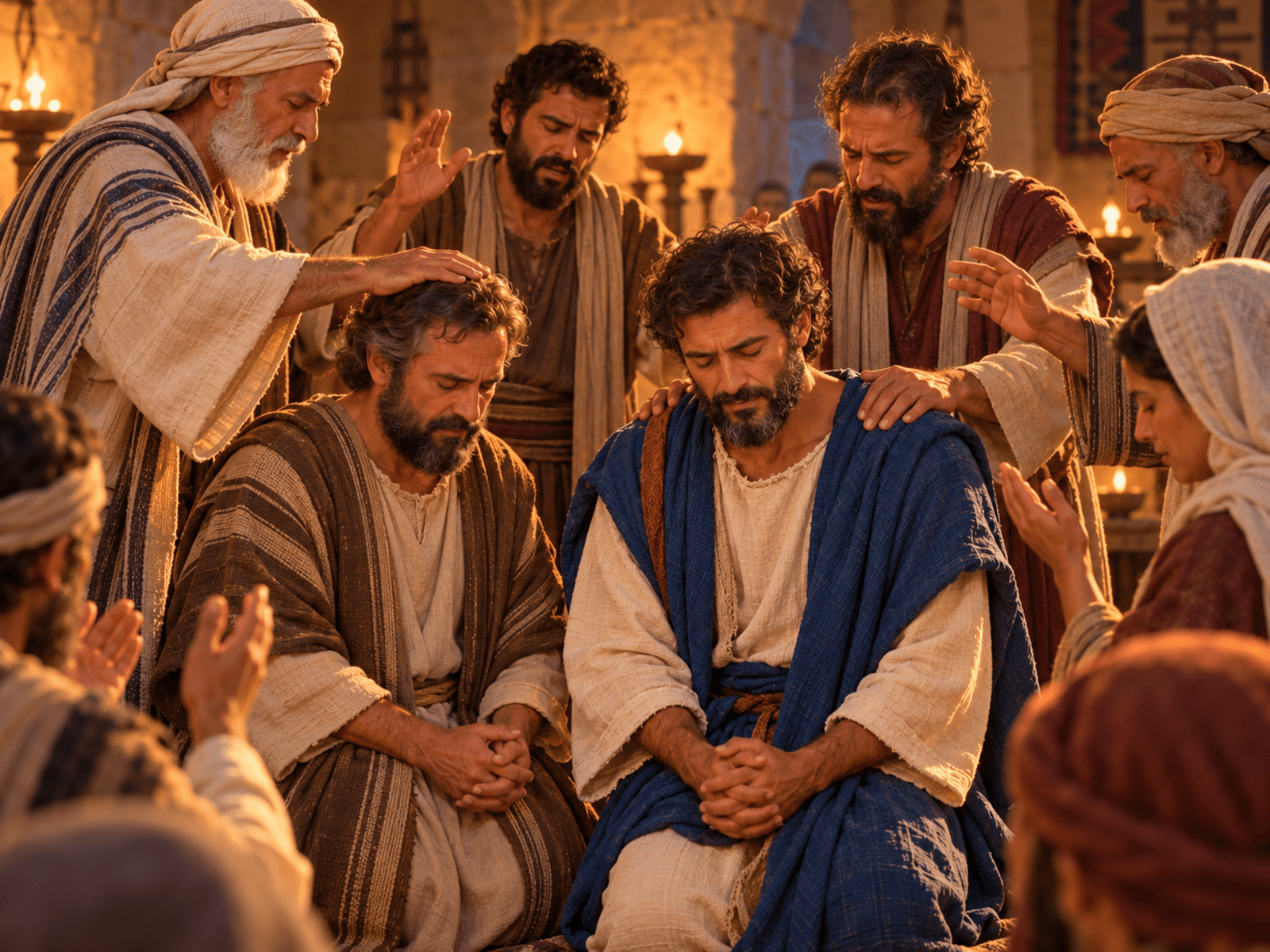
Illustrated scene from Paul's story: Sent Out by the Holy Spirit (Acts 13:1–3)
Meet the people of the Bible
Follow their lives in order, with illustrated scenes and Bible passages that tell their stories.
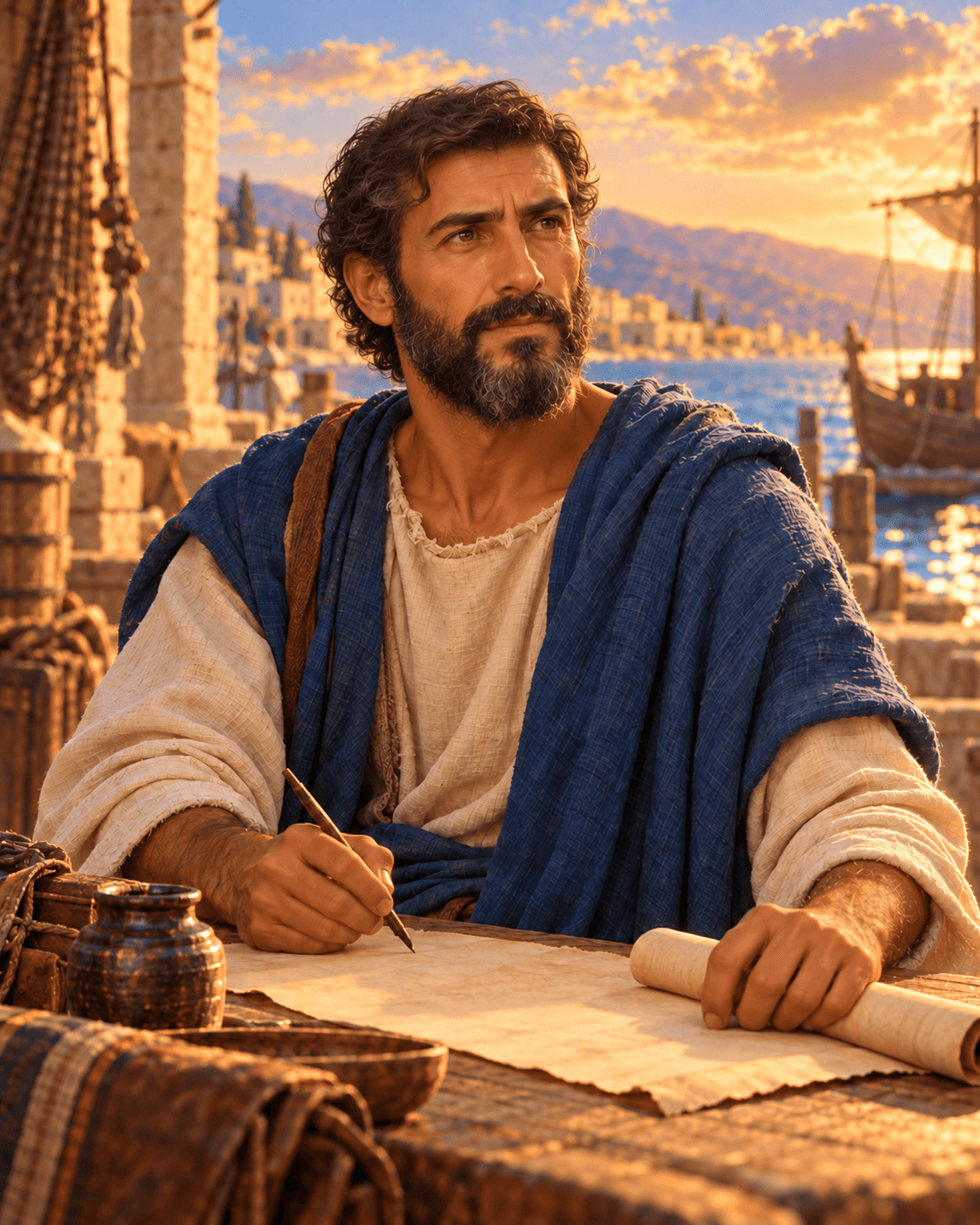 Paul

Photo: Photochrom print, Library of Congress Prints and Photographs Division (LCCN 2002725045). License: Public domain in the United States; Library of Congress states no known restrictions on publication. Source. Location: Nazareth, Israel; print preserved by the Library of Congress. Resized for the web.
Explore the places of the Bible
See where biblical events happened, why each place matters, and what archaeology helps us understand.
Nazareth
The small town in Galilee where Jesus grew up.
Get full access with one subscription
Explore the people and places of the Bible. Read summaries of every book, with images and clear explanations covering every chapter. Access all these features and our Bible study tools with one subscription.
See PlansAsk AI about Acts 13:1
Ask a question about this verse and get a clear answer, with Bible references you can read for yourself.
Every Bible book, explained chapter by chapter
Explore summaries of every book of the Bible, with images and easy-to-understand explanations covering every chapter.
Keep studying Acts 13:1
Related Bible verses
Key themes
Related topics
At a Glance — the Book of Acts
- Author
- Luke the physician
- Written
- Around AD 62
- Genre
- Historical narrative
- Original Audience
- Gentile Christians (addressed to Theophilus)
Frequently Asked Questions
Quick, clear answers about this verse
What does Acts 13:1 mean?
Acts 13:1 describes the leadership in the church at Antioch, highlighting a diverse group of prophets and teachers. This verse emphasizes the importance of unity and collaboration among different backgrounds in the early Christian community.
Who are the leaders mentioned in Acts 13:1?
The leaders mentioned in Acts 13:1 are Barnabas, Simeon (called Niger), Lucius from Cyrene, Manaen, and Saul. Each of these individuals brought unique experiences and perspectives to the church in Antioch.
What is the significance of diversity in Acts 13:1?
The diversity in Acts 13:1 illustrates how the early church was a melting pot of cultures and backgrounds. This mix of leaders shows that different perspectives can strengthen a community and enhance its mission.
What does the term 'Niger' refer to in Acts 13:1?
In Acts 13:1, 'Niger' likely refers to Simeon's African heritage, as the term means 'black' in Latin. This highlights the multicultural nature of the church in Antioch.
Daily Verse — straight to your inbox
A verse and a 2-sentence plain-English explanation, every morning. Free. Unsubscribe anytime.