New Testament
Acts 16:20
Read the Bible in clear, modern English—easy to understand, faithful to the meaning, and written for everyday readers.
They brought them before the magistrates and said, "These men, being Jews, are causing serious trouble in our city.
Compare translations
And brought them to the magistrates, saying, These men, being Jews, do exceedingly trouble our city,
What Acts 16:20 means
Plain-English insight for readers
In this passage, Paul and Silas are brought before local authorities because their actions are upsetting the community. The accusers highlight that they are Jews, which may have added to the tension. The phrase 'causing serious trouble' indicates that their message and activities were seen as a threat to the social order. This reflects how new ideas can provoke strong reactions, especially when they challenge existing beliefs or practices. The magistrates, as representatives of the law, are expected to maintain peace and order. The accusation suggests that the presence of Paul and Silas is not just a minor inconvenience but a significant disturbance. This moment illustrates the conflict between different cultures and beliefs, showing how those who stand for their convictions can face opposition. It serves as a reminder that standing up for what you believe in can lead to challenges, but it is also an opportunity to demonstrate resilience and faith in the face of adversity.
How to apply Acts 16:20 to your life
When faced with opposition for your beliefs, remember that standing firm can inspire others. Reflect on how you can respond to challenges with grace and strength. Use these moments to deepen your understanding and commitment to your values, even when it's difficult to do so. Your actions can make a difference in your community and beyond. Stay true to your convictions, and be prepared for the journey ahead as you navigate these challenges.
Curated for this public verse page. Acts Summary
Learn the Bible through its people and places
Get to know the people in Scripture through illustrated stories, and explore the places where they lived and traveled.

Illustrated scene from Paul's story: Beaten and Jailed at Philippi (Acts 16:16–24)
Meet the people of the Bible
Follow their lives in order, with illustrated scenes and Bible passages that tell their stories.
 Paul
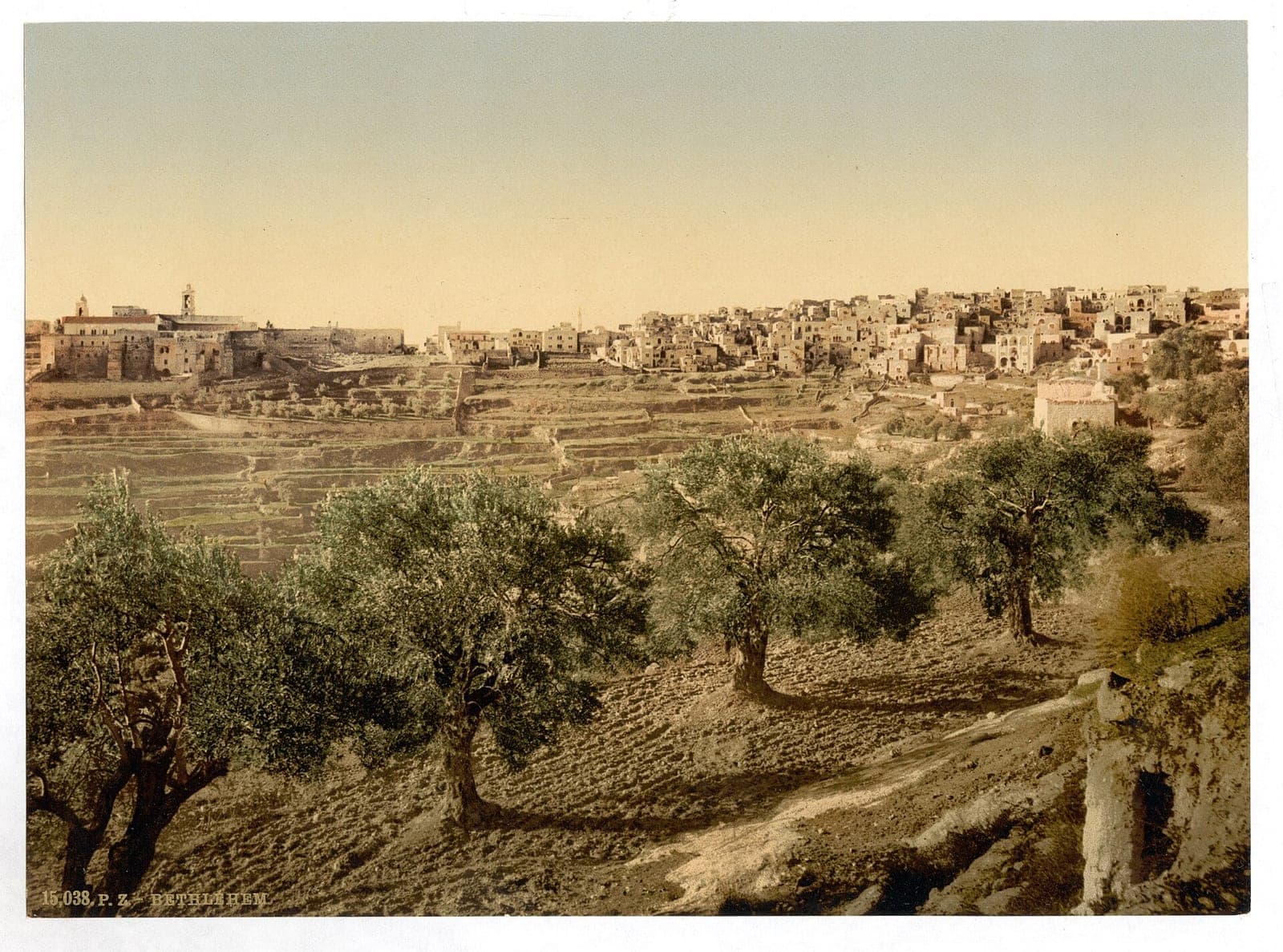
Photo: Photochrom print, Library of Congress Prints and Photographs Division (LCCN 2002724966). License: Public domain in the United States; Library of Congress states no known restrictions on publication. Source. Location: Bethlehem, West Bank; print preserved by the Library of Congress. Resized for the web.
Explore the places of the Bible
See where biblical events happened, why each place matters, and what archaeology helps us understand.
Bethlehem
David's hometown, and the town where Jesus was born.
Get full access with one subscription
Explore the people and places of the Bible. Read summaries of every book, with images and clear explanations covering every chapter. Access all these features and our Bible study tools with one subscription.
See PlansAsk AI about Acts 16:20
Ask a question about this verse and get a clear answer, with Bible references you can read for yourself.
Every Bible book, explained chapter by chapter
Explore summaries of every book of the Bible, with images and easy-to-understand explanations covering every chapter.
Keep studying Acts 16:20
Related Bible verses
At a Glance — the Book of Acts
- Author
- Luke the physician
- Written
- Around AD 62
- Genre
- Historical narrative
- Original Audience
- Gentile Christians (addressed to Theophilus)
Frequently Asked Questions
Quick, clear answers about this verse
What does Acts 16:20 mean?
Acts 16:20 describes how Paul and Silas were brought before local authorities because their actions were causing unrest in the city. The accusers emphasize their Jewish identity, suggesting that their presence was particularly provocative in that cultural context.
What is the significance of the phrase 'causing serious trouble' in Acts 16:20?
The phrase 'causing serious trouble' indicates that Paul and Silas' message and activities were perceived as a significant threat to the social order. It highlights how new ideas can provoke strong reactions from established communities.
What does the term 'magistrates' refer to in Acts 16:20?
In Acts 16:20, 'magistrates' refers to local officials or authorities responsible for maintaining law and order. They were expected to address disturbances and uphold the peace in the community.
Why were Paul and Silas accused of being Jews in Acts 16:20?
The accusation that Paul and Silas were Jews serves to highlight their cultural and religious identity, which may have contributed to the tension and hostility they faced in a predominantly non-Jewish community.
Daily Verse — straight to your inbox
A verse and a 2-sentence plain-English explanation, every morning. Free. Unsubscribe anytime.