New Testament
Acts 20:6
Read the Bible in clear, modern English—easy to understand, faithful to the meaning, and written for everyday readers.
We sailed from Philippi after the days of Unleavened Bread and joined them at Troas five days later, where we stayed seven days.
Compare translations
And we sailed away from Philippi after the days of unleavened bread, and came unto them to Troas in five days; where we abode seven days.
What Acts 20:6 means
Plain-English insight for readers
In this passage, we see Paul and his companions leaving Philippi after the festival of Unleavened Bread, a time of reflection and remembrance. Their journey to Troas took five days, highlighting the challenges and dedication involved in their mission. Once they arrived in Troas, they stayed for a week, likely to connect with the local community and share their message. This period of rest and fellowship was essential for building relationships and strengthening their faith. The mention of specific locations and timeframes emphasizes the historical context of their travels. It also illustrates the importance of community in their work, as they gathered with others who shared their beliefs. Paul's journey reflects a commitment to spreading their message, despite the obstacles they faced. This passage encourages us to consider our own journeys and the importance of connecting with others along the way, whether in faith or in everyday life. It reminds us that every journey has purpose and that relationships are vital to our growth.
How to apply Acts 20:6 to your life
Reflect on your own journey and the people you meet along the way. Consider how you can build connections with others in your community. Just as Paul valued fellowship, seek opportunities to strengthen relationships that support your personal growth and shared beliefs. Every interaction can be meaningful and impactful in your life journey. Embrace those moments fully, as they shape who you are becoming.
Curated for this public verse page. Acts Summary
Explore more of the Bible
Learn the Bible through its people and places
Get to know the people in Scripture through illustrated stories, and explore the places where they lived and traveled.
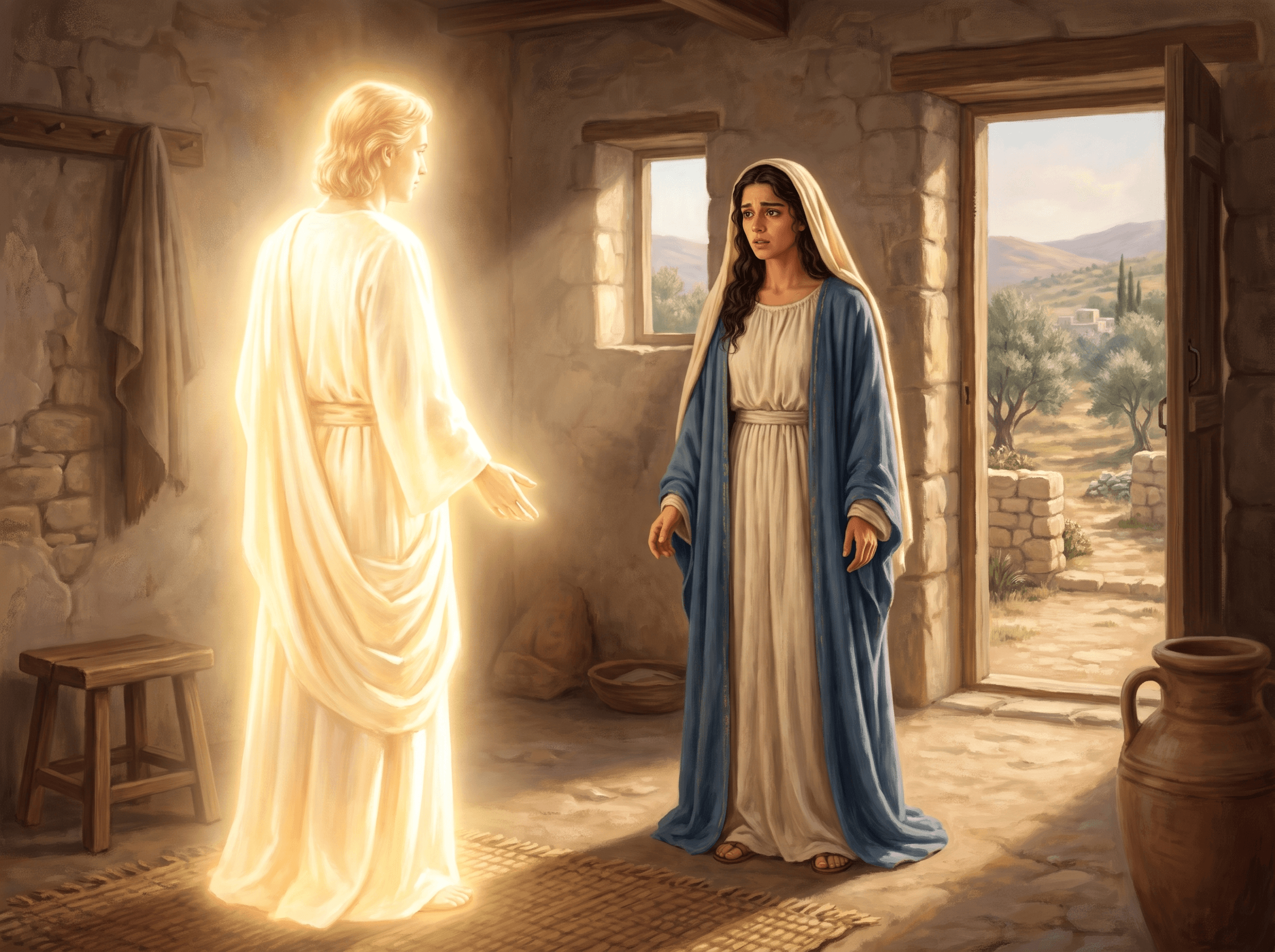
Illustrated scene from Mary, Jesus' mother's story: An Angel Visits Mary (Luke 1:26–38)
Meet the people of the Bible
Follow their lives in order, with illustrated scenes and Bible passages that tell their stories.
 Mary, Jesus' mother

Photo: Gary Todd (Gary Lee Todd, Ph.D.), via Wikimedia Commons. License: CC0 1.0 Universal Public Domain Dedication. Source. Location: Southern end of the Temple Mount, Jerusalem Old City. Resized for the web.
Explore the places of the Bible
See where biblical events happened, why each place matters, and what archaeology helps us understand.
Jerusalem
David's capital, the city of the temple, and the place where Jesus died and rose again.
Get full access with one subscription
Explore the people and places of the Bible. Read summaries of every book, with images and clear explanations covering every chapter. Access all these features and our Bible study tools with one subscription.
See PlansAsk AI about Acts 20:6
Ask a question about this verse and get a clear answer, with Bible references you can read for yourself.
Every Bible book, explained chapter by chapter
Explore summaries of every book of the Bible, with images and easy-to-understand explanations covering every chapter.
Keep studying Acts 20:6
Related Bible verses
Related topics
At a Glance — the Book of Acts
- Author
- Luke the physician
- Written
- Around AD 62
- Genre
- Historical narrative
- Original Audience
- Gentile Christians (addressed to Theophilus)
Frequently Asked Questions
Quick, clear answers about this verse
What is the significance of the Unleavened Bread in Acts 20:6?
The Unleavened Bread festival, also known as Passover, is significant as it commemorates the Israelites' exodus from Egypt and their liberation from slavery. In Acts 20:6, Paul and his companions leave Philippi after this festival, indicating their observance of Jewish traditions while also highlighting the timing of their journey. This context emphasizes the importance of faith and reflection in their mission.
Why did Paul stay in Troas for seven days?
Paul stayed in Troas for seven days likely to connect with the local believers and strengthen their faith. This period allowed for fellowship, teaching, and sharing of experiences among the early Christians. Such gatherings were crucial for building community and encouraging one another in their shared beliefs, reflecting the importance of relationships in the growth of the early church.
What challenges did Paul face during his journey to Troas?
While the specific challenges of Paul's journey to Troas are not detailed in Acts 20:6, traveling in that era often involved difficulties such as rough seas, limited resources, and potential hostility. The five-day journey underscores the dedication and perseverance required in their mission to spread the Gospel, illustrating the commitment of Paul and his companions despite obstacles.
How does Acts 20:6 relate to the theme of community in the Bible?
Acts 20:6 highlights the theme of community by showing Paul's intentional effort to gather with fellow believers in Troas. The early church placed great importance on fellowship, teaching, and mutual support. This passage encourages modern readers to seek out and build relationships within their own communities, emphasizing that faith is often strengthened through shared experiences and connections.
Daily Verse — straight to your inbox
A verse and a 2-sentence plain-English explanation, every morning. Free. Unsubscribe anytime.