New Testament
Acts 21:33
Read the Bible in clear, modern English—easy to understand, faithful to the meaning, and written for everyday readers.
The commander came forward, arrested him, and ordered him to be bound with two chains. Then he asked who he was and what he had done.
Compare translations
Then the chief captain came near, and took him, and commanded him to be bound with two chains; and demanded who he was, and what he had done.
What Acts 21:33 means
Plain-English insight for readers
In this scene, a military commander steps in to handle a chaotic situation. He approaches a man who is in trouble, likely due to a misunderstanding or conflict. The commander takes charge by arresting the man and binding him with chains, which indicates the seriousness of the situation. He wants to know the identity of the man and the reasons behind the commotion. This moment highlights the tension between authority and the individual caught in a crisis. The commander's actions reflect a desire for order and clarity amidst confusion. It also raises questions about justice and the assumptions made in moments of conflict. The man’s response to the commander will be crucial in determining his fate and the unfolding of events. This encounter serves as a reminder of how quickly situations can escalate and the importance of understanding before acting. It emphasizes the need for communication and clarity in resolving conflicts, as well as the role of authority in maintaining peace.
How to apply Acts 21:33 to your life
When faced with conflict, it’s essential to seek understanding before jumping to conclusions. Like the commander, we should approach situations with a desire for clarity. Take a moment to ask questions and listen to others' perspectives. This can prevent misunderstandings and promote resolution. Remember, communication is key to peace in any situation!
Curated for this public verse page. Acts Summary
Learn the Bible through its people and places
Get to know the people in Scripture through illustrated stories, and explore the places where they lived and traveled.
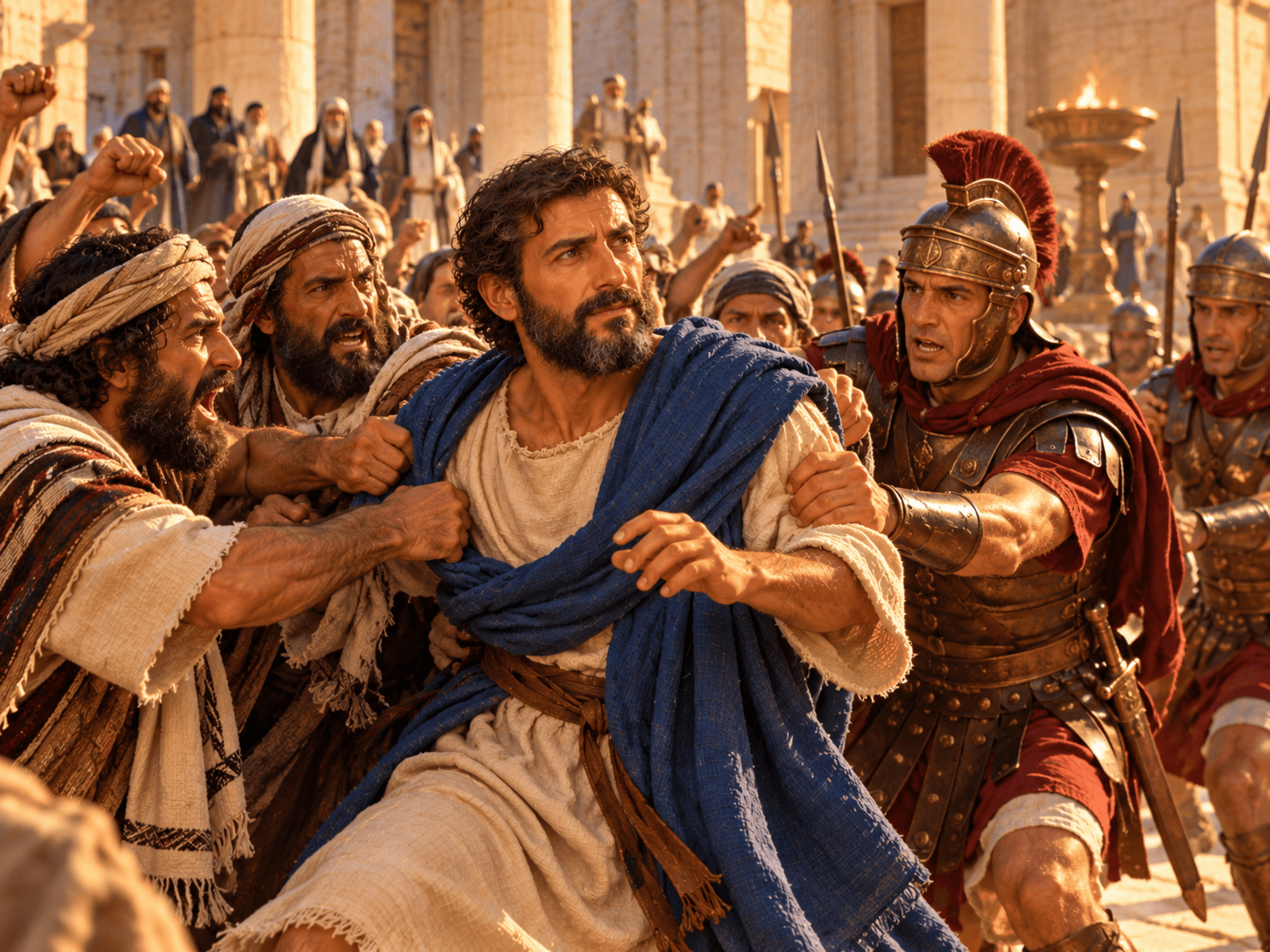
Illustrated scene from Paul's story: Seized in the Temple (Acts 21:17–36)
Meet the people of the Bible
Follow their lives in order, with illustrated scenes and Bible passages that tell their stories.
 Paul
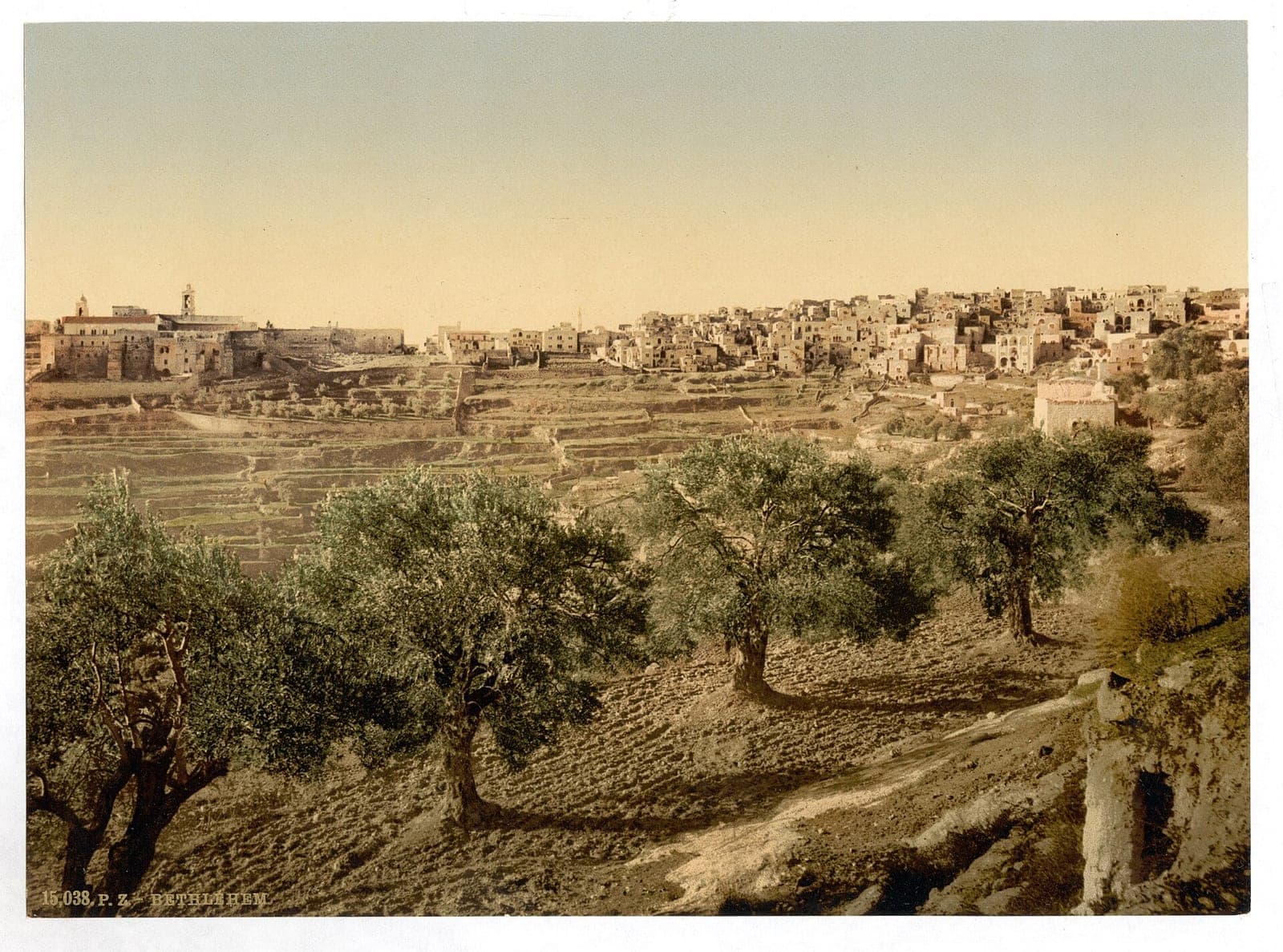
Photo: Photochrom print, Library of Congress Prints and Photographs Division (LCCN 2002724966). License: Public domain in the United States; Library of Congress states no known restrictions on publication. Source. Location: Bethlehem, West Bank; print preserved by the Library of Congress. Resized for the web.
Explore the places of the Bible
See where biblical events happened, why each place matters, and what archaeology helps us understand.
Bethlehem
David's hometown, and the town where Jesus was born.
Get full access with one subscription
Explore the people and places of the Bible. Read summaries of every book, with images and clear explanations covering every chapter. Access all these features and our Bible study tools with one subscription.
See PlansAsk AI about Acts 21:33
Ask a question about this verse and get a clear answer, with Bible references you can read for yourself.
Every Bible book, explained chapter by chapter
Explore summaries of every book of the Bible, with images and easy-to-understand explanations covering every chapter.
Keep studying Acts 21:33
Related Bible verses
Related topics
At a Glance — the Book of Acts
- Author
- Luke the physician
- Written
- Around AD 62
- Genre
- Historical narrative
- Original Audience
- Gentile Christians (addressed to Theophilus)
Frequently Asked Questions
Quick, clear answers about this verse
What does Acts 21:33 mean?
Acts 21:33 describes a military commander intervening in a chaotic situation by arresting a man and binding him with chains. This action reflects the commander's authority and the seriousness of the conflict, highlighting themes of misunderstanding and the need for clarity.
What is the significance of the two chains in Acts 21:33?
The two chains in Acts 21:33 symbolize the commander's authority and the gravity of the situation. Binding the man with chains indicates that he is considered a threat or a suspect, emphasizing the tension between authority and individual rights.
Who is the commander in Acts 21:33?
The commander in Acts 21:33 is a chief captain, a military leader responsible for maintaining order. He intervenes in a chaotic scene to investigate the situation and determine the identity of the man he has arrested.
What can we learn from Acts 21:33?
Acts 21:33 teaches the importance of seeking understanding in conflicts. It encourages us to ask questions and listen to different perspectives before making judgments, which can help prevent misunderstandings and promote resolution.
Daily Verse — straight to your inbox
A verse and a 2-sentence plain-English explanation, every morning. Free. Unsubscribe anytime.