New Testament
Acts 7:12
Read the Bible in clear, modern English—easy to understand, faithful to the meaning, and written for everyday readers.
When Jacob heard there was grain in Egypt, he sent our ancestors there on their first trip.
Compare translations
But when Jacob heard that there was corn in Egypt, he sent out our fathers first.
What Acts 7:12 means
Plain-English insight for readers
When Jacob learned that there was food available in Egypt, he took action to ensure the survival of his family. This news was crucial because a severe famine had struck their land, leaving them desperate for sustenance. Jacob's decision to send his sons to Egypt marked a significant moment in their family's history. It was not just about finding food; it was about preserving their lives and future. This journey would lead to unexpected encounters and ultimately shape the destiny of the Israelites. Jacob's faith in seeking help from a foreign land shows the importance of being open to solutions outside our immediate circumstances. His actions remind us that sometimes we must take bold steps to secure our well-being and that of our loved ones. In times of crisis, we can find hope and help in unexpected places, just as Jacob did when he sent his sons to Egypt for grain. This story encourages us to trust in the possibilities that lie ahead, even when the situation seems dire.
How to apply Acts 7:12 to your life
In challenging times, like Jacob, we may need to seek help from unexpected sources. Don't hesitate to reach out to others when facing difficulties. Remember, taking action can lead to solutions that you might not have considered. Trust that help can come from places you least expect, and be open to new opportunities for support and growth.
Curated for this public verse page. Acts Summary
Explore more of the Bible
Learn the Bible through its people and places
Get to know the people in Scripture through illustrated stories, and explore the places where they lived and traveled.
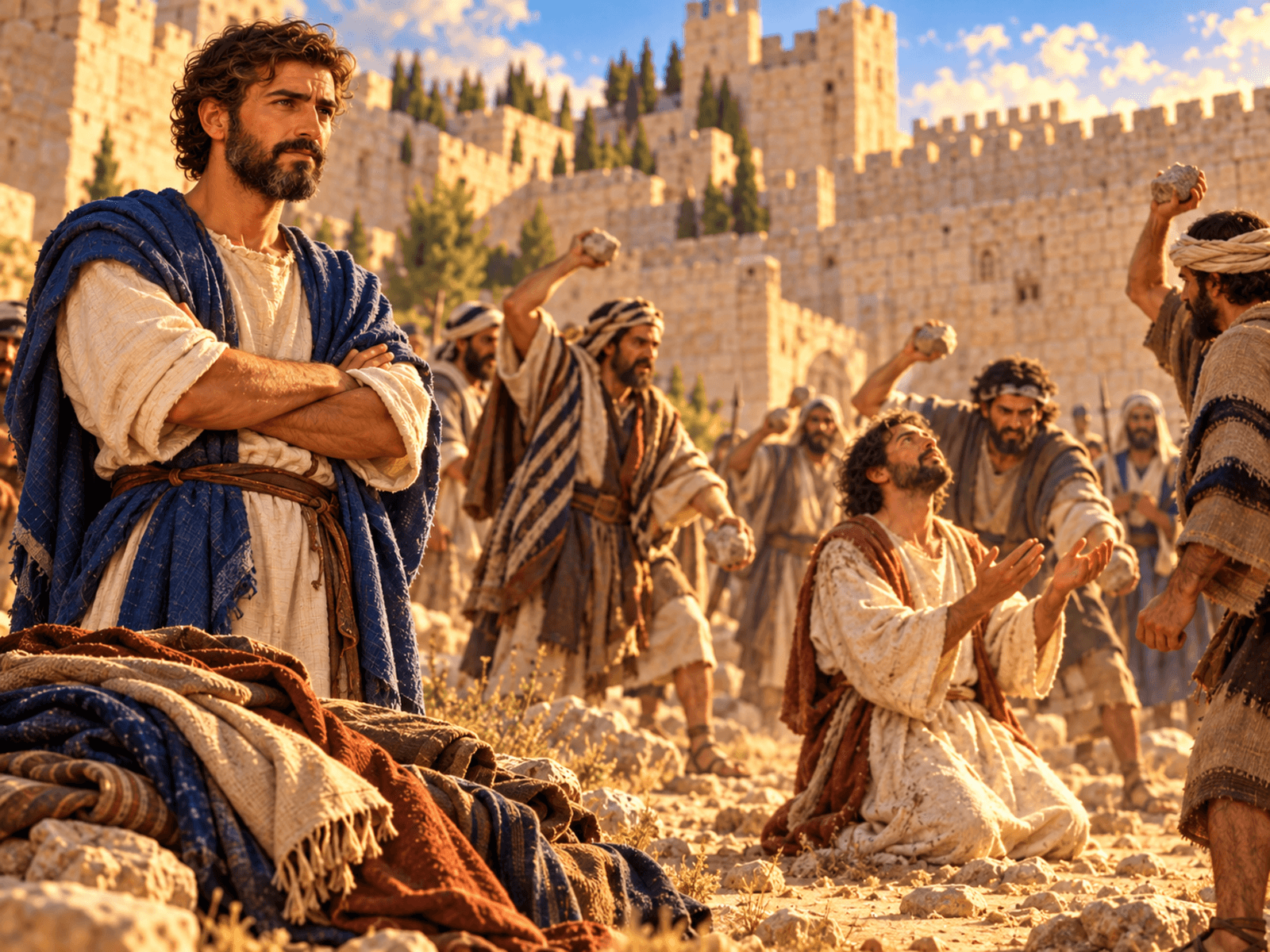
Illustrated scene from Paul's story: The Stoning of Stephen (Acts 7:57–8:2)
Meet the people of the Bible
Follow their lives in order, with illustrated scenes and Bible passages that tell their stories.
 Paul
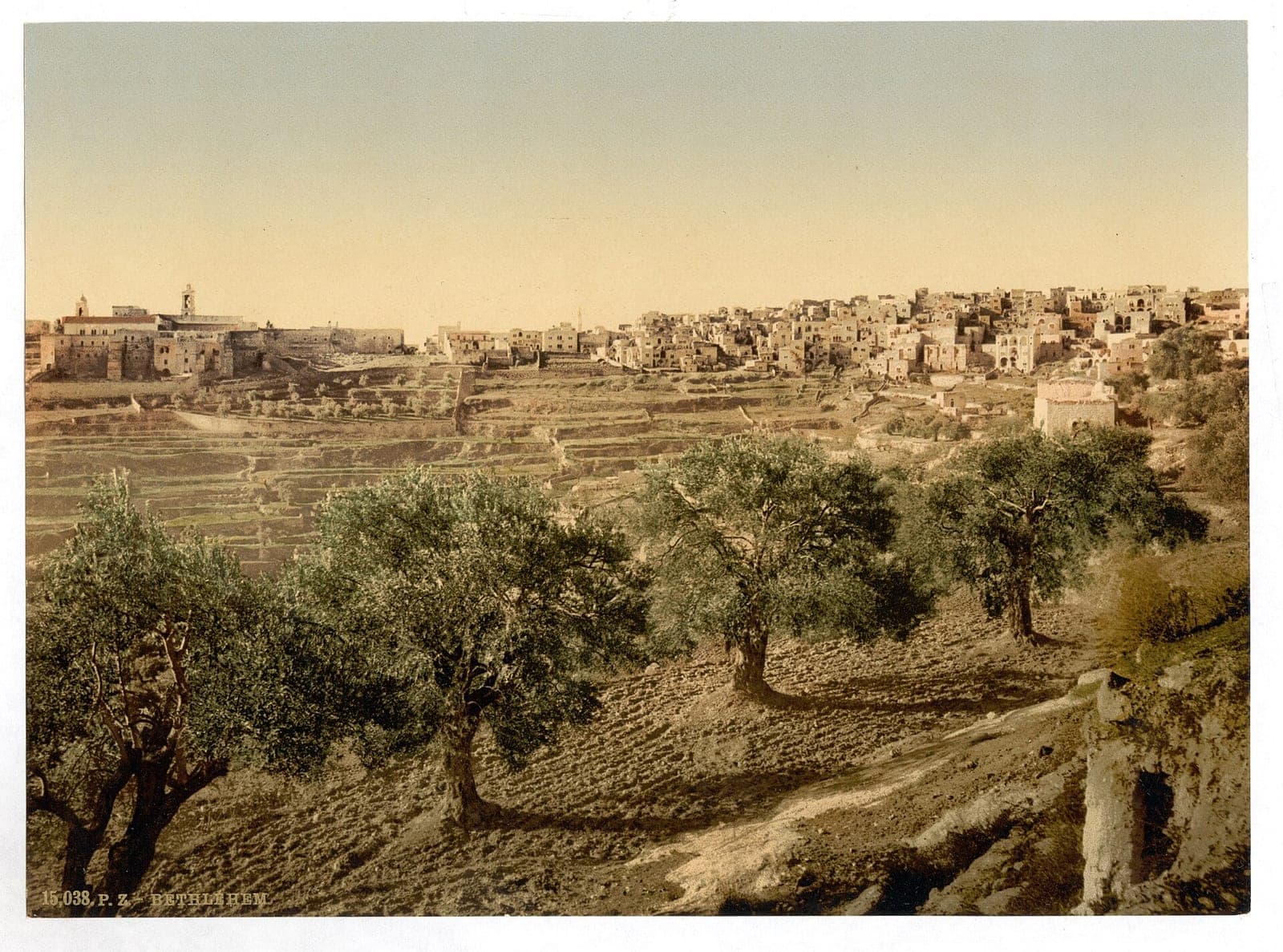
Photo: Photochrom print, Library of Congress Prints and Photographs Division (LCCN 2002724966). License: Public domain in the United States; Library of Congress states no known restrictions on publication. Source. Location: Bethlehem, West Bank; print preserved by the Library of Congress. Resized for the web.
Explore the places of the Bible
See where biblical events happened, why each place matters, and what archaeology helps us understand.
Bethlehem
David's hometown, and the town where Jesus was born.
Get full access with one subscription
Explore the people and places of the Bible. Read summaries of every book, with images and clear explanations covering every chapter. Access all these features and our Bible study tools with one subscription.
See PlansAsk AI about Acts 7:12
Ask a question about this verse and get a clear answer, with Bible references you can read for yourself.
Every Bible book, explained chapter by chapter
Explore summaries of every book of the Bible, with images and easy-to-understand explanations covering every chapter.
Keep studying Acts 7:12
Related Bible verses
At a Glance — the Book of Acts
- Author
- Luke the physician
- Written
- Around AD 62
- Genre
- Historical narrative
- Original Audience
- Gentile Christians (addressed to Theophilus)
Frequently Asked Questions
Quick, clear answers about this verse
What does Acts 7:12 mean?
Acts 7:12 recounts how Jacob, upon hearing that there was grain in Egypt during a famine, sent his sons there to secure food for their family. This action highlights the urgency of survival and the importance of seeking help when in need.
What is the significance of Jacob sending his sons to Egypt in Acts 7:12?
Jacob sending his sons to Egypt signifies a pivotal moment for his family, as it was a desperate measure taken during a severe famine. This decision not only aimed to provide immediate sustenance but also set in motion events that would shape the future of the Israelites.
What does the phrase 'grain in Egypt' in Acts 7:12 refer to?
The phrase 'grain in Egypt' refers to the availability of food during a time of famine, which was crucial for Jacob's family. It symbolizes hope and the possibility of survival in dire circumstances.
How does Acts 7:12 relate to themes of survival and hope?
Acts 7:12 illustrates themes of survival and hope by showing Jacob's proactive approach to a crisis. His willingness to seek help from Egypt reflects the idea that solutions can come from unexpected places, encouraging trust in future possibilities.
Daily Verse — straight to your inbox
A verse and a 2-sentence plain-English explanation, every morning. Free. Unsubscribe anytime.