New Testament
Acts 7:52
Read the Bible in clear, modern English—easy to understand, faithful to the meaning, and written for everyday readers.
Name one prophet your ancestors didn't persecute! They killed the ones who predicted the coming of the Righteous One. And now you have betrayed and murdered him yourselves —
Compare translations
Which of the prophets have not your fathers persecuted? and they have slain them which shewed before of the coming of the Just One; of whom ye have been now the betrayers and murderers:
What Acts 7:52 means
Plain-English insight for readers
In this verse, Stephen confronts the religious leaders by highlighting a painful truth: their ancestors have a long history of rejecting and harming God's messengers. He points out that they have not only ignored the prophets but have also killed those who foretold the arrival of the Righteous One, referring to Jesus. This accusation is powerful because it connects their past actions to their current betrayal of Jesus. Stephen's words serve as a reminder that rejecting truth often leads to dire consequences. He emphasizes that the very people who should have recognized and welcomed Jesus instead chose to betray and murder him. This moment is a turning point, as it reveals the deep-seated resistance to God's message. Stephen's boldness in speaking out against this injustice challenges the listeners to reflect on their own actions and beliefs. It’s a call to recognize the truth and embrace it rather than turn away from it, even when it’s uncomfortable or challenging to do so.
How to apply Acts 7:52 to your life
Consider how you respond to truth in your life. Are there messages or insights you resist because they challenge your beliefs? Embrace the opportunity to learn and grow, even when it feels uncomfortable. Reflect on your actions and ensure they align with your values and beliefs about justice and truth. Don't shy away from difficult conversations that can lead to growth and understanding. Seek to be open-hearted and open-minded.
Curated for this public verse page. Acts Summary
Explore more of the Bible
Learn the Bible through its people and places
Get to know the people in Scripture through illustrated stories, and explore the places where they lived and traveled.

Illustrated scene from Paul's story: The Stoning of Stephen (Acts 7:57–8:2)
Meet the people of the Bible
Follow their lives in order, with illustrated scenes and Bible passages that tell their stories.
 Paul
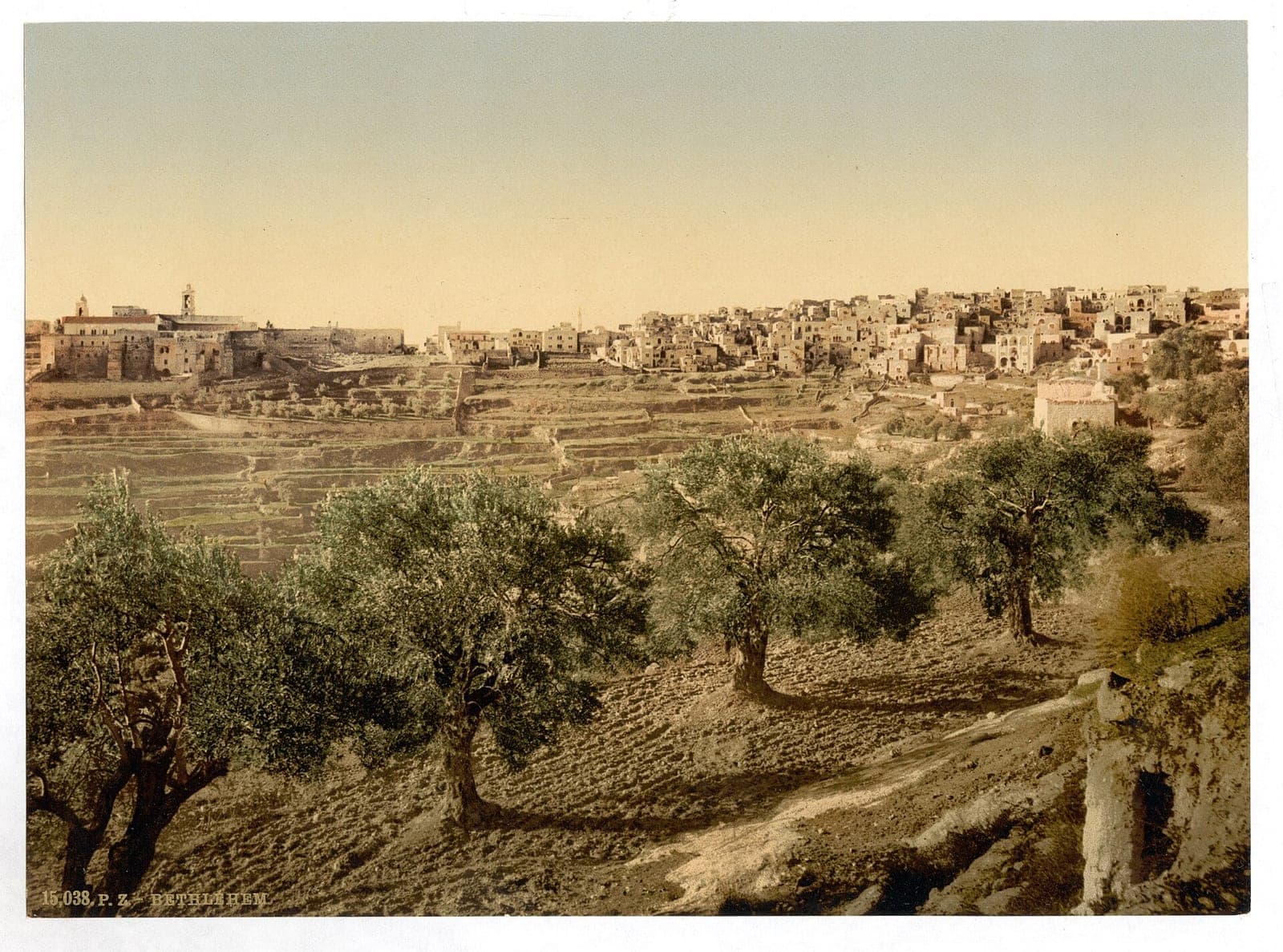
Photo: Photochrom print, Library of Congress Prints and Photographs Division (LCCN 2002724966). License: Public domain in the United States; Library of Congress states no known restrictions on publication. Source. Location: Bethlehem, West Bank; print preserved by the Library of Congress. Resized for the web.
Explore the places of the Bible
See where biblical events happened, why each place matters, and what archaeology helps us understand.
Bethlehem
David's hometown, and the town where Jesus was born.
Get full access with one subscription
Explore the people and places of the Bible. Read summaries of every book, with images and clear explanations covering every chapter. Access all these features and our Bible study tools with one subscription.
See PlansAsk AI about Acts 7:52
Ask a question about this verse and get a clear answer, with Bible references you can read for yourself.
Every Bible book, explained chapter by chapter
Explore summaries of every book of the Bible, with images and easy-to-understand explanations covering every chapter.
Keep studying Acts 7:52
At a Glance — the Book of Acts
- Author
- Luke the physician
- Written
- Around AD 62
- Genre
- Historical narrative
- Original Audience
- Gentile Christians (addressed to Theophilus)
Frequently Asked Questions
Quick, clear answers about this verse
What does Acts 7:52 mean about the prophets?
Acts 7:52 highlights the historical pattern of the Jewish leaders' ancestors persecuting God's prophets. Stephen points out that throughout history, the prophets who spoke God's truth were often rejected and harmed. This serves to illustrate the ongoing resistance to divine messages, culminating in the betrayal and murder of Jesus, the Righteous One. Stephen's accusation emphasizes the seriousness of their actions and the need for self-reflection regarding their treatment of truth.
How does Acts 7:52 relate to Jesus?
In Acts 7:52, Stephen directly connects the actions of the religious leaders to their betrayal of Jesus, whom he refers to as the Righteous One. By stating that their ancestors killed the prophets who foretold Jesus' coming, Stephen underscores the irony that those who should have recognized and embraced Jesus instead participated in his murder. This connection serves as a powerful indictment of their failure to acknowledge God's message and the consequences of rejecting truth.
What lesson can we learn from Acts 7:52?
Acts 7:52 teaches us the importance of being open to truth, even when it challenges our beliefs. It serves as a reminder that rejecting or ignoring messages that confront us can lead to serious consequences. The verse encourages self-examination of our responses to difficult truths and the need to engage in honest conversations about our beliefs and actions. Embracing truth, even when uncomfortable, can lead to personal growth and a deeper understanding of justice.
Why did Stephen confront the religious leaders in Acts 7:52?
Stephen confronted the religious leaders in Acts 7:52 to expose their hypocrisy and the historical pattern of rejecting God's messengers. By reminding them of their ancestors' actions, he aimed to challenge their current behavior and highlight their betrayal of Jesus. This confrontation was not only a defense of his faith but also a call for the leaders to recognize their wrongdoing and reconsider their stance towards God's truth.
Daily Verse — straight to your inbox
A verse and a 2-sentence plain-English explanation, every morning. Free. Unsubscribe anytime.