New Testament
Acts 8:28
Read the Bible in clear, modern English—easy to understand, faithful to the meaning, and written for everyday readers.
and was returning home, sitting in his chariot and reading the prophet Isaiah.
Compare translations
Was returning, and sitting in his chariot read Esaias the prophet.
What Acts 8:28 means
Plain-English insight for readers
In this moment, we see a man returning home from a pilgrimage, deeply engaged in reading the words of the prophet Isaiah. He is not just any man; he is an Ethiopian official, a person of influence and authority. His journey is significant, as it reflects a quest for understanding and truth. Sitting in his chariot, he is absorbed in the scriptures, seeking answers to questions that stir within him. This scene highlights the importance of reading and reflecting on spiritual texts, as they can lead to profound insights. The act of reading Isaiah suggests that he is searching for something greater than himself, a connection to the divine. His dedication to understanding the scriptures serves as a reminder that the pursuit of knowledge and wisdom is a lifelong journey. It encourages us to seek out our own understanding of spiritual matters, just as he does, and to remain open to the lessons that can be learned from ancient texts. This moment is a powerful invitation to explore our own faith and beliefs.
How to apply Acts 8:28 to your life
Take time to read and reflect on spiritual texts that resonate with you. Consider what questions you have about life and faith, and seek answers through study and contemplation. Engaging with these texts can lead to personal growth and deeper understanding of your beliefs. Stay open to the insights they may offer you on your journey.
Curated for this public verse page. Acts Summary
Explore more of the Bible
Learn the Bible through its people and places
Get to know the people in Scripture through illustrated stories, and explore the places where they lived and traveled.
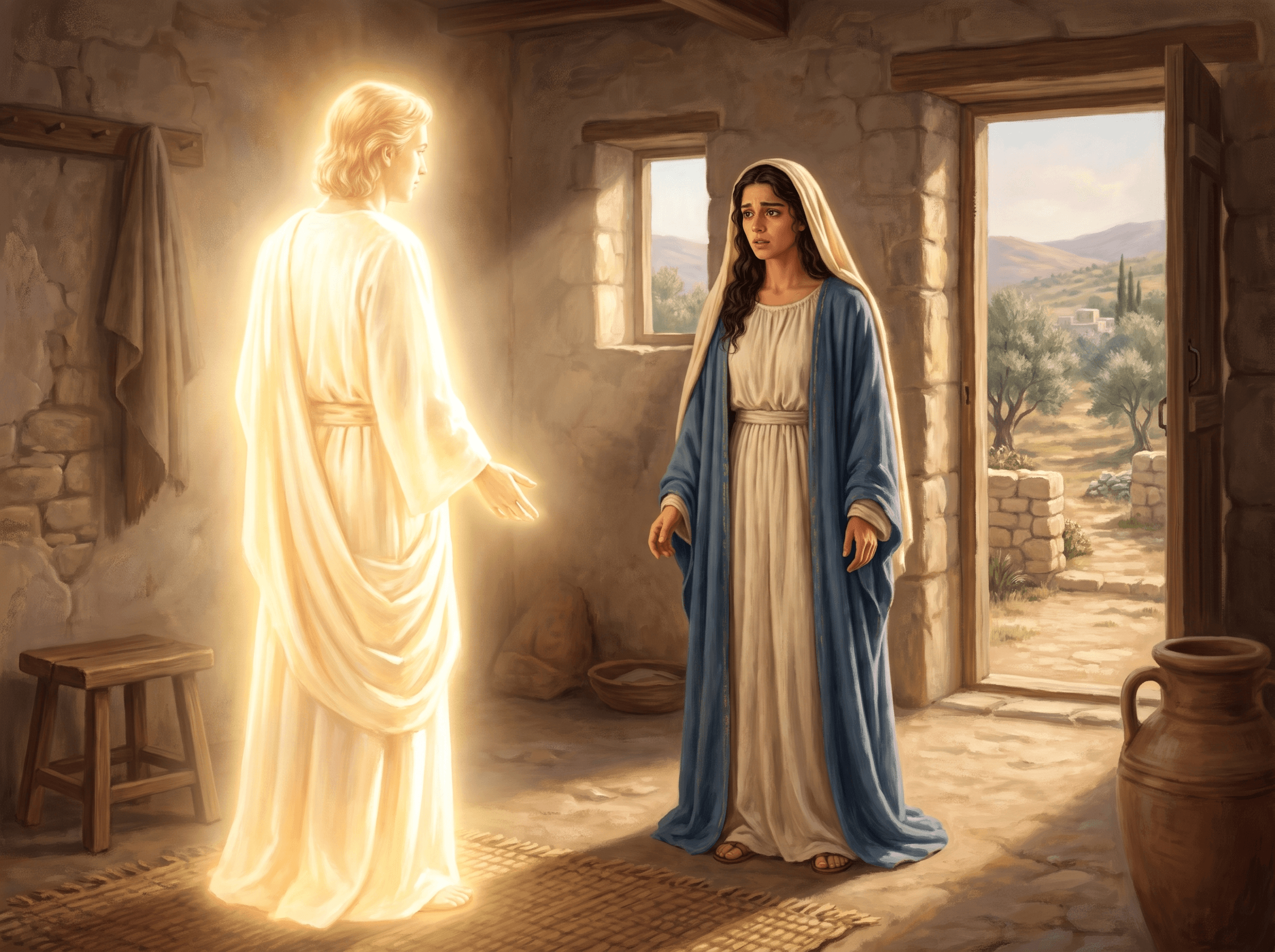
Illustrated scene from Mary, Jesus' mother's story: An Angel Visits Mary (Luke 1:26–38)
Meet the people of the Bible
Follow their lives in order, with illustrated scenes and Bible passages that tell their stories.
 Mary, Jesus' mother

Photo: Photochrom print, Library of Congress Prints and Photographs Division (LCCN 2002725045). License: Public domain in the United States; Library of Congress states no known restrictions on publication. Source. Location: Nazareth, Israel; print preserved by the Library of Congress. Resized for the web.
Explore the places of the Bible
See where biblical events happened, why each place matters, and what archaeology helps us understand.
Nazareth
The small town in Galilee where Jesus grew up.
Get full access with one subscription
Explore the people and places of the Bible. Read summaries of every book, with images and clear explanations covering every chapter. Access all these features and our Bible study tools with one subscription.
See PlansAsk AI about Acts 8:28
Ask a question about this verse and get a clear answer, with Bible references you can read for yourself.
Every Bible book, explained chapter by chapter
Explore summaries of every book of the Bible, with images and easy-to-understand explanations covering every chapter.
Keep studying Acts 8:28
Key themes
At a Glance — the Book of Acts
- Author
- Luke the physician
- Written
- Around AD 62
- Genre
- Historical narrative
- Original Audience
- Gentile Christians (addressed to Theophilus)
Frequently Asked Questions
Quick, clear answers about this verse
What does Acts 8:28 teach about the importance of reading scripture?
Acts 8:28 highlights the significance of engaging with spiritual texts, as it shows an Ethiopian official deeply immersed in reading the prophet Isaiah. This act of reading reflects a quest for understanding and truth, emphasizing that scripture can provide profound insights and guidance in our spiritual journeys. It encourages believers to seek knowledge and wisdom through the study of sacred texts.
Who is the man mentioned in Acts 8:28 and why is he important?
The man in Acts 8:28 is an Ethiopian official, likely a eunuch, who held a position of influence and authority. His importance lies in his earnest pursuit of spiritual understanding, as he travels to Jerusalem to worship and is found reading Isaiah on his way home. His story illustrates that people from all backgrounds, including those of high status, seek truth and connection with the divine.
What can we learn from the Ethiopian official's journey in Acts 8:28?
The Ethiopian official's journey in Acts 8:28 teaches us about the importance of seeking spiritual truth and understanding. His dedication to reading scripture while traveling signifies a commitment to personal growth and exploration of faith. It serves as a reminder that the pursuit of knowledge and connection with God is a lifelong journey, encouraging us to remain open to learning and reflection.
How does Acts 8:28 relate to personal growth in faith?
Acts 8:28 relates to personal growth in faith by illustrating the Ethiopian official's active engagement with scripture as a means of seeking understanding. His willingness to read and reflect on the words of Isaiah demonstrates that personal growth often comes from a desire to learn and explore spiritual matters. This verse encourages individuals to take initiative in their faith journeys, fostering deeper connections with their beliefs.
Daily Verse — straight to your inbox
A verse and a 2-sentence plain-English explanation, every morning. Free. Unsubscribe anytime.