New Testament
Acts 9:10
Read the Bible in clear, modern English—easy to understand, faithful to the meaning, and written for everyday readers.
In Damascus there was a certain disciple named Ananias. The Lord said to him in a vision, "Ananias." And he said, "Here I am, Lord."
Compare translations
And there was a certain disciple at Damascus, named Ananias; and to him said the Lord in a vision, Ananias. And he said, Behold, I am here, Lord.
What Acts 9:10 means
Plain-English insight for readers
In the city of Damascus, there was a follower of Jesus named Ananias. One day, God spoke to him through a vision, calling his name. Ananias responded immediately, showing his readiness to listen and obey. This moment highlights the importance of being attentive to God's voice in our lives. Ananias was just an ordinary person, yet he was chosen for an extraordinary task. His willingness to respond to God demonstrates how anyone can be used for a greater purpose. This story encourages us to be open to divine guidance and to act when we feel called. It reminds us that God can reach out to us in unexpected ways, and our response can lead to significant changes in our lives and the lives of others. Ananias' story is a powerful reminder that God sees potential in each of us, regardless of our background or status. We should strive to be like Ananias, ready to say, 'Here I am, Lord,' when we hear His call, no matter how daunting the task may seem.
How to apply Acts 9:10 to your life
When you feel a nudge to do something good or helpful, consider it a call from God. Respond with openness and readiness, just like Ananias did. Your willingness to act can lead to meaningful changes in your life and the lives of others. Trust that you are capable of making a difference.
Curated for this public verse page. Acts Summary
Learn the Bible through its people and places
Get to know the people in Scripture through illustrated stories, and explore the places where they lived and traveled.
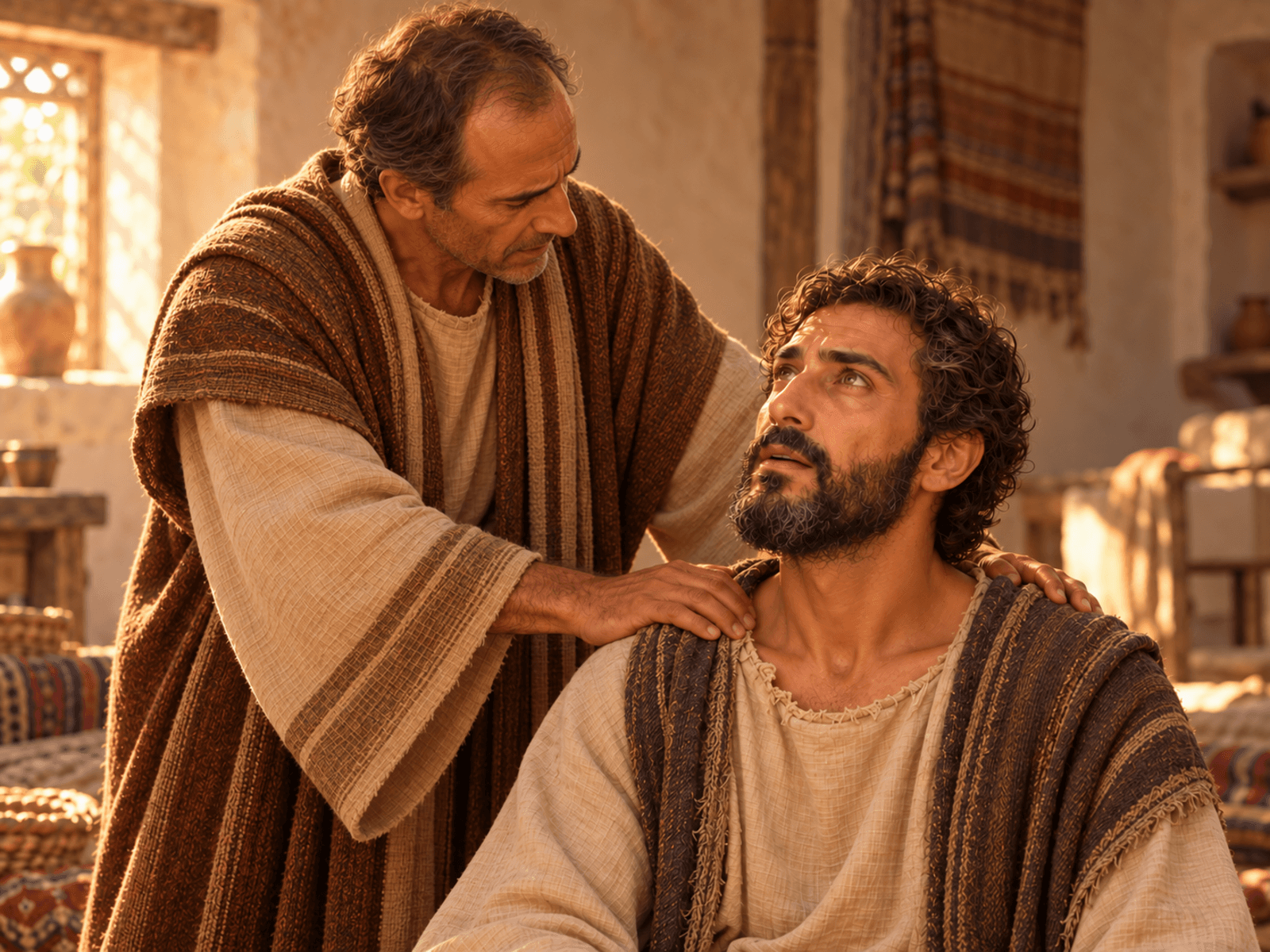
Illustrated scene from Paul's story: Ananias Restores Saul's Sight (Acts 9:10–19)
Meet the people of the Bible
Follow their lives in order, with illustrated scenes and Bible passages that tell their stories.
 Paul
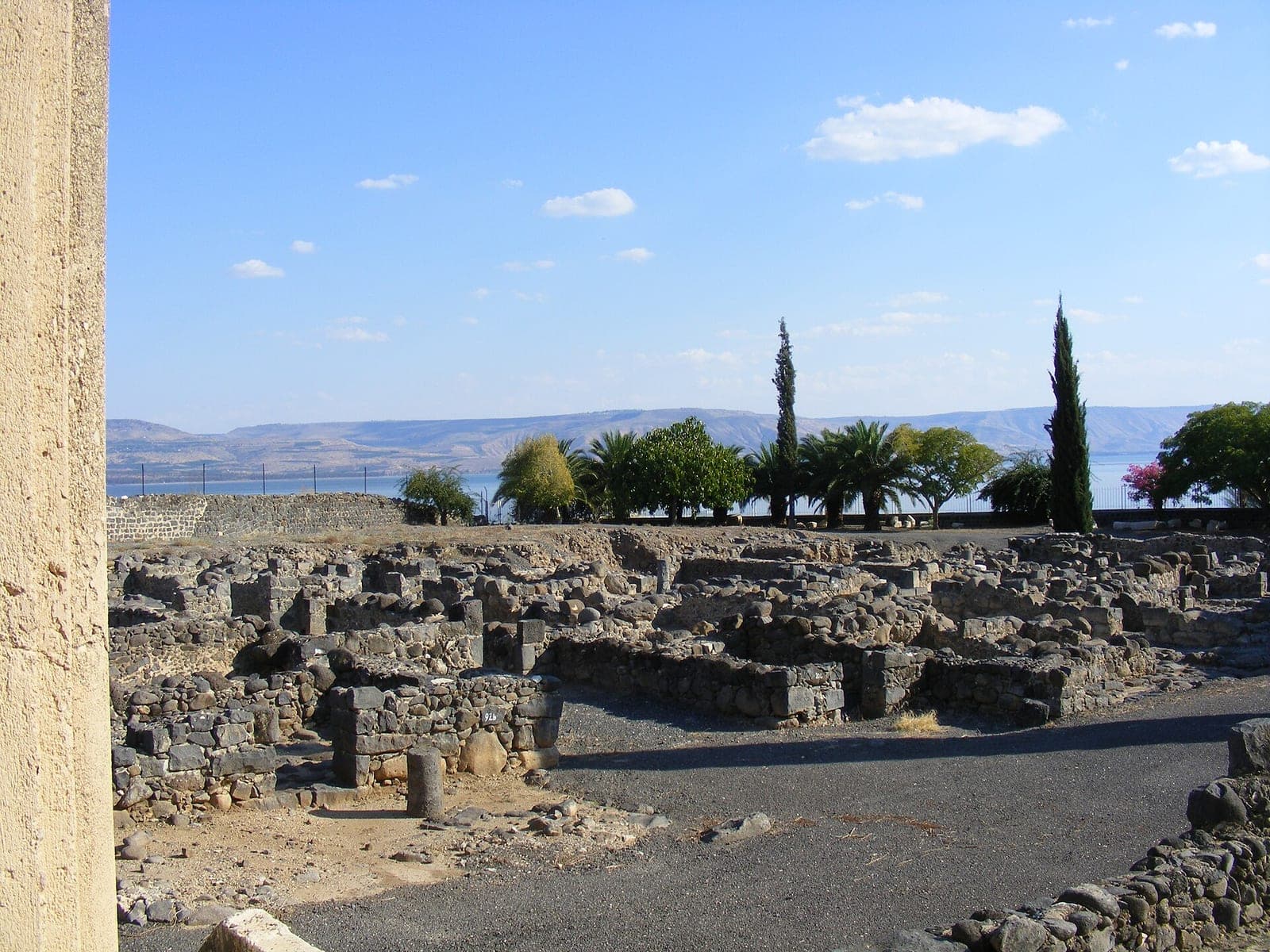
Photo: zeevveez, via Wikimedia Commons. License: CC BY 2.0. Source. Location: Capernaum, on the northern shore of the Sea of Galilee. Resized for the web.
Explore the places of the Bible
See where biblical events happened, why each place matters, and what archaeology helps us understand.
Capernaum
Jesus' home base by the Sea of Galilee, and the town where Peter lived.
Get full access with one subscription
Explore the people and places of the Bible. Read summaries of every book, with images and clear explanations covering every chapter. Access all these features and our Bible study tools with one subscription.
See PlansAsk AI about Acts 9:10
Ask a question about this verse and get a clear answer, with Bible references you can read for yourself.
Every Bible book, explained chapter by chapter
Explore summaries of every book of the Bible, with images and easy-to-understand explanations covering every chapter.
Keep studying Acts 9:10
Related Bible verses
Key themes
At a Glance — the Book of Acts
- Author
- Luke the physician
- Written
- Around AD 62
- Genre
- Historical narrative
- Original Audience
- Gentile Christians (addressed to Theophilus)
Frequently Asked Questions
Quick, clear answers about this verse
Who was Ananias in Acts 9:10?
Ananias was a disciple of Jesus living in Damascus. He is known for his obedience to God's call when the Lord spoke to him in a vision, asking him to help Saul, who later became Paul. Ananias' willingness to respond to God's command highlights the role of ordinary individuals in fulfilling divine purposes.
What does the vision in Acts 9:10 signify?
The vision signifies God's direct communication with His followers. It illustrates how God can choose anyone, regardless of their status, to carry out His plans. Ananias' immediate response, 'Here I am, Lord,' shows the importance of being attentive and ready to act when God calls us to serve or help others.
What can we learn from Ananias' response to God?
Ananias' response teaches us the value of obedience and readiness to follow God's guidance. His willingness to say 'Here I am, Lord' serves as a model for us to be open to divine calls in our own lives, encouraging us to act on the nudges we feel to help others or fulfill a purpose.
How does Acts 9:10 relate to the theme of divine calling?
Acts 9:10 exemplifies the theme of divine calling by showing how God can reach out to individuals in unexpected ways. Ananias, an ordinary disciple, was called to play a crucial role in the conversion of Saul. This emphasizes that anyone can be chosen for significant tasks, reinforcing the idea that we should be attentive to God's voice.
Daily Verse — straight to your inbox
A verse and a 2-sentence plain-English explanation, every morning. Free. Unsubscribe anytime.