Old Testament
Amos 1:3
Read the Bible in clear, modern English—easy to understand, faithful to the meaning, and written for everyday readers.
The LORD says: For three transgressions of Damascus, and for four, I will not hold back its punishment, because they have crushed Gilead with iron threshing sledges.
Compare translations
Thus saith the LORD; For three transgressions of Damascus, and for four, I will not turn away the punishment thereof; because they have threshed Gilead with threshing instruments of iron:
What Amos 1:3 means
Plain-English insight for readers
In this verse, God is declaring judgment on Damascus for their repeated wrongdoings. The phrase 'for three transgressions, and for four' emphasizes that their sins are numerous and serious. Specifically, they have treated the people of Gilead harshly, using brutal methods that caused great suffering. The imagery of iron threshing sledges suggests a relentless and crushing force, highlighting the severity of their actions. God is making it clear that enough is enough; their actions have consequences. This message serves as a reminder that injustice and cruelty do not go unnoticed. God’s justice is not arbitrary; it is a response to the harm inflicted on others. The people of Damascus are being warned that their time for accountability has come, and they cannot escape the repercussions of their choices. This verse invites us to reflect on our own actions and the impact they have on others, urging us to choose compassion over cruelty in our daily lives. It’s a call to be mindful of how we treat those around us.
How to apply Amos 1:3 to your life
Consider how your actions affect others. Are there ways you might be causing harm, even unintentionally? This verse encourages us to act with kindness and to be aware of the impact of our choices. Strive to promote justice and compassion in your interactions with others. Every small act of kindness counts towards a better world.
Curated for this public verse page. Amos Summary
Explore more of the Bible
Learn the Bible through its people and places
Get to know the people in Scripture through illustrated stories, and explore the places where they lived and traveled.

Illustrated scene from David's story: Samuel Anoints David (1 Samuel 16:1–13)
Meet the people of the Bible
Follow their lives in order, with illustrated scenes and Bible passages that tell their stories.
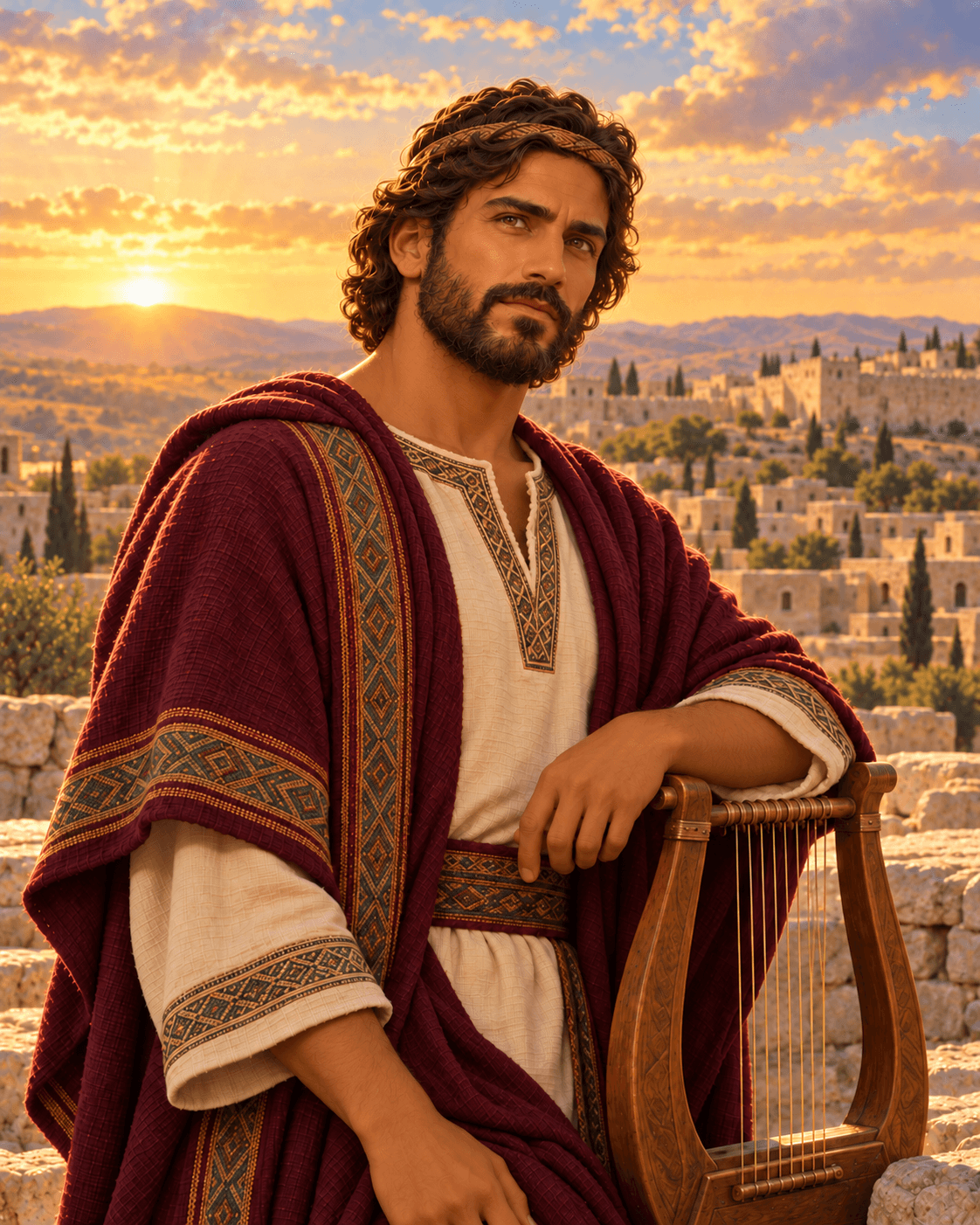 David
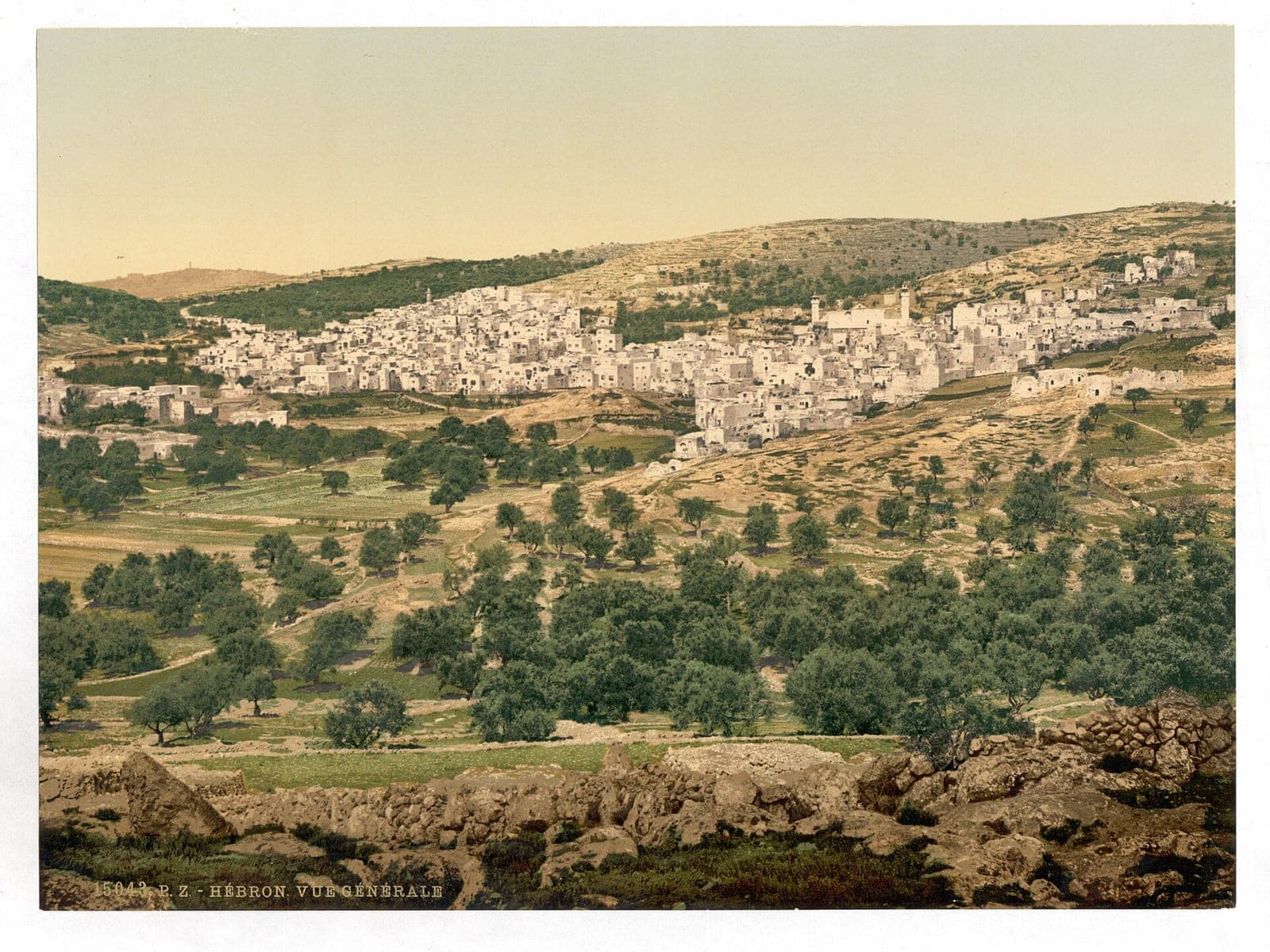
Photo: Photochrom print, Library of Congress Prints and Photographs Division (LCCN 2002724987). License: Public domain in the United States; Library of Congress states no known restrictions on publication. Source. Location: Hebron, West Bank; print preserved by the Library of Congress. Resized for the web.
Explore the places of the Bible
See where biblical events happened, why each place matters, and what archaeology helps us understand.
Hebron
Where Abraham lived and buried Sarah, and where David was first made king.
Get full access with one subscription
Explore the people and places of the Bible. Read summaries of every book, with images and clear explanations covering every chapter. Access all these features and our Bible study tools with one subscription.
See PlansAsk AI about Amos 1:3
Ask a question about this verse and get a clear answer, with Bible references you can read for yourself.
Every Bible book, explained chapter by chapter
Explore summaries of every book of the Bible, with images and easy-to-understand explanations covering every chapter.
Keep studying Amos 1:3
Related Bible verses
Key themes
Related topics
At a Glance — the Book of Amos
- Author
- Amos the prophet
- Written
- Around 760 BC
- Genre
- Prophecy
- Original Audience
- The northern kingdom of Israel
Frequently Asked Questions
Quick, clear answers about this verse
What does Amos 1:3 mean in simple terms?
Amos 1:3 conveys God's message of judgment against Damascus for their repeated wrongdoings. The phrase 'for three transgressions, and for four' signifies that their sins are numerous and serious. Specifically, it highlights their brutal treatment of the people of Gilead, using harsh methods that caused suffering. This verse emphasizes that God will hold them accountable for their actions, reminding us that injustice does not go unnoticed.
Why does God mention 'three transgressions and four'?
The phrase 'for three transgressions, and for four' is a Hebrew idiom that emphasizes the abundance and severity of the sins committed. It suggests that the wrongdoings of Damascus are not just a few isolated incidents but rather a pattern of behavior that has reached a tipping point. This repetition underscores the seriousness of their actions and God's determination to bring about justice.
What can we learn from Amos 1:3 about justice?
Amos 1:3 teaches us that justice is a fundamental principle that God upholds. It reminds us that actions have consequences, especially when they involve harm to others. The verse encourages us to reflect on our own behavior and to ensure that we act with fairness and compassion. It serves as a warning that neglecting justice can lead to accountability, urging us to be mindful of how we treat those around us.
How does this verse apply to modern life?
In modern life, Amos 1:3 challenges us to consider the impact of our actions on others. It prompts us to examine whether we contribute to injustice or harm, even unintentionally. The verse encourages us to choose kindness and compassion in our daily interactions, reminding us that every small act of goodness can make a difference. It calls for awareness of our responsibilities towards others and the importance of promoting justice.
Daily Verse — straight to your inbox
A verse and a 2-sentence plain-English explanation, every morning. Free. Unsubscribe anytime.