Old Testament
Deuteronomy 1:35
Read the Bible in clear, modern English—easy to understand, faithful to the meaning, and written for everyday readers.
"Not a single person from this evil generation will see the good land I swore to give your ancestors —
Compare translations
Surely there shall not one of these men of this evil generation see that good land, which I sware to give unto your fathers,
What Deuteronomy 1:35 means
Plain-English insight for readers
In this verse, God declares that none of the people from a certain generation will enter the promised land. This generation is labeled as 'evil' because of their lack of faith and disobedience. God had promised this land to their ancestors, but their actions have consequences. The message emphasizes that trust and obedience to God are crucial. It serves as a reminder that our choices can impact our future. The good land symbolizes blessings and fulfillment, which are available to those who follow God's guidance. This verse challenges us to reflect on our own lives and the importance of faithfulness. It encourages us to strive for a relationship with God that leads to positive outcomes and blessings. Ultimately, it highlights the significance of living in a way that aligns with God's will, as it shapes our destiny and experiences in life. The promise of the good land remains, but it requires commitment and trust in God’s plan for us to realize it fully. Our journey is influenced by our faith and actions.
How to apply Deuteronomy 1:35 to your life
Consider how your choices reflect your faith. Are you living in a way that aligns with your values? This verse encourages you to trust in God's promises and to act with integrity. Remember, your actions today can shape your future. Stay committed to your beliefs and seek guidance in your decisions to experience the blessings ahead.
Curated for this public verse page. Deuteronomy Summary
Learn the Bible through its people and places
Get to know the people in Scripture through illustrated stories, and explore the places where they lived and traveled.
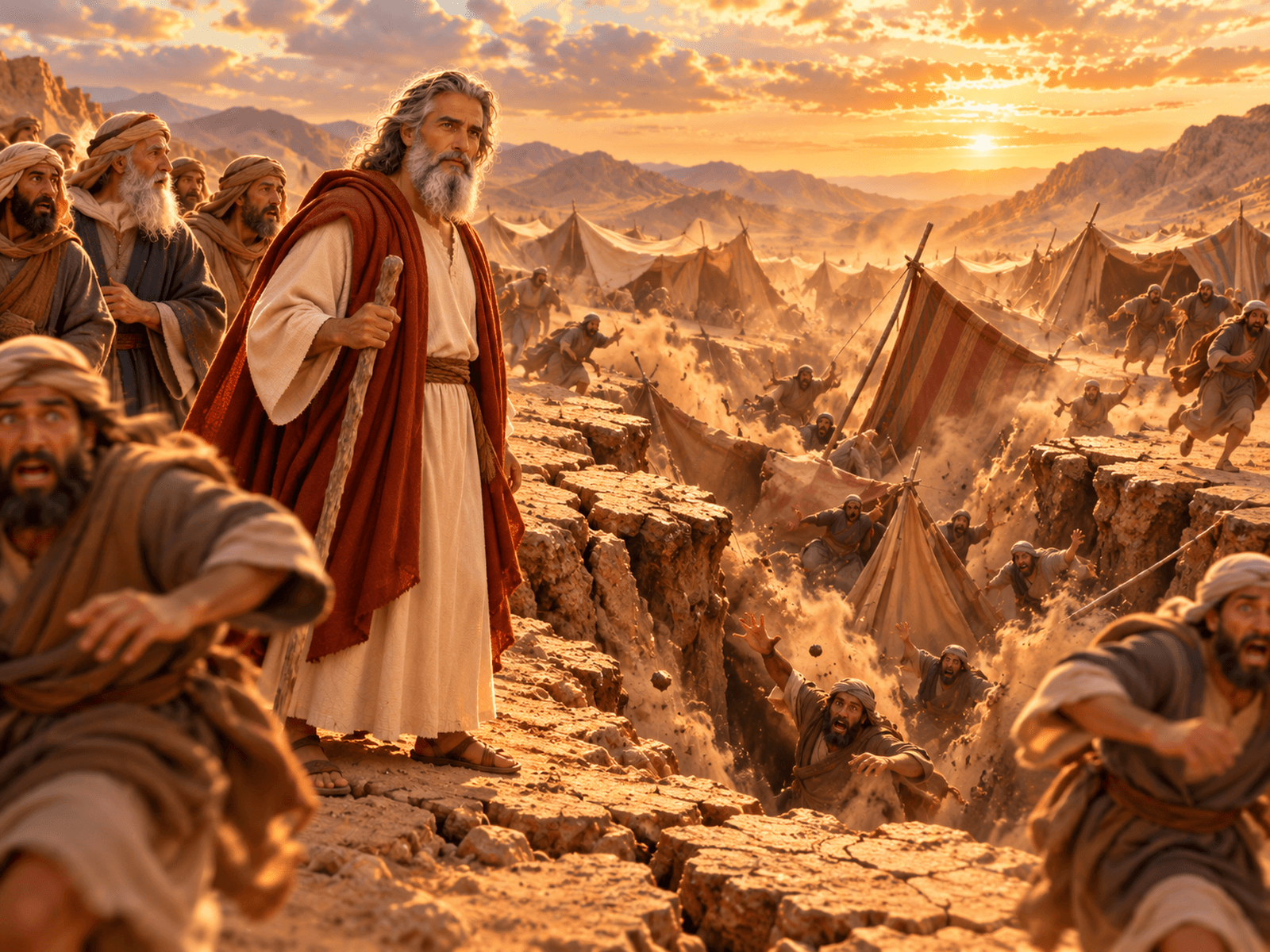
Illustrated scene from Moses's story: Israel Refuses to Enter the Land (Deuteronomy 1:26–46)
Meet the people of the Bible
Follow their lives in order, with illustrated scenes and Bible passages that tell their stories.
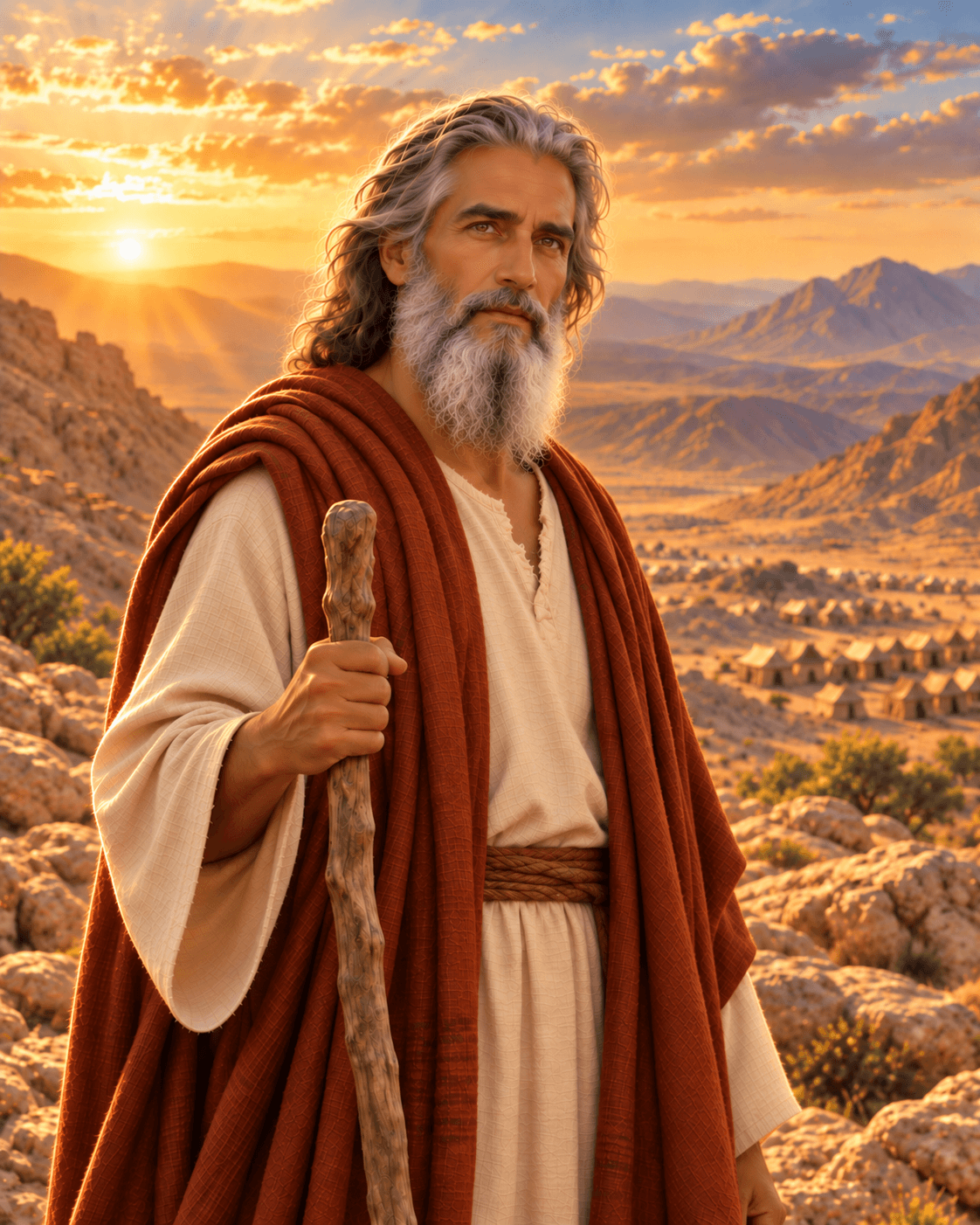 Moses
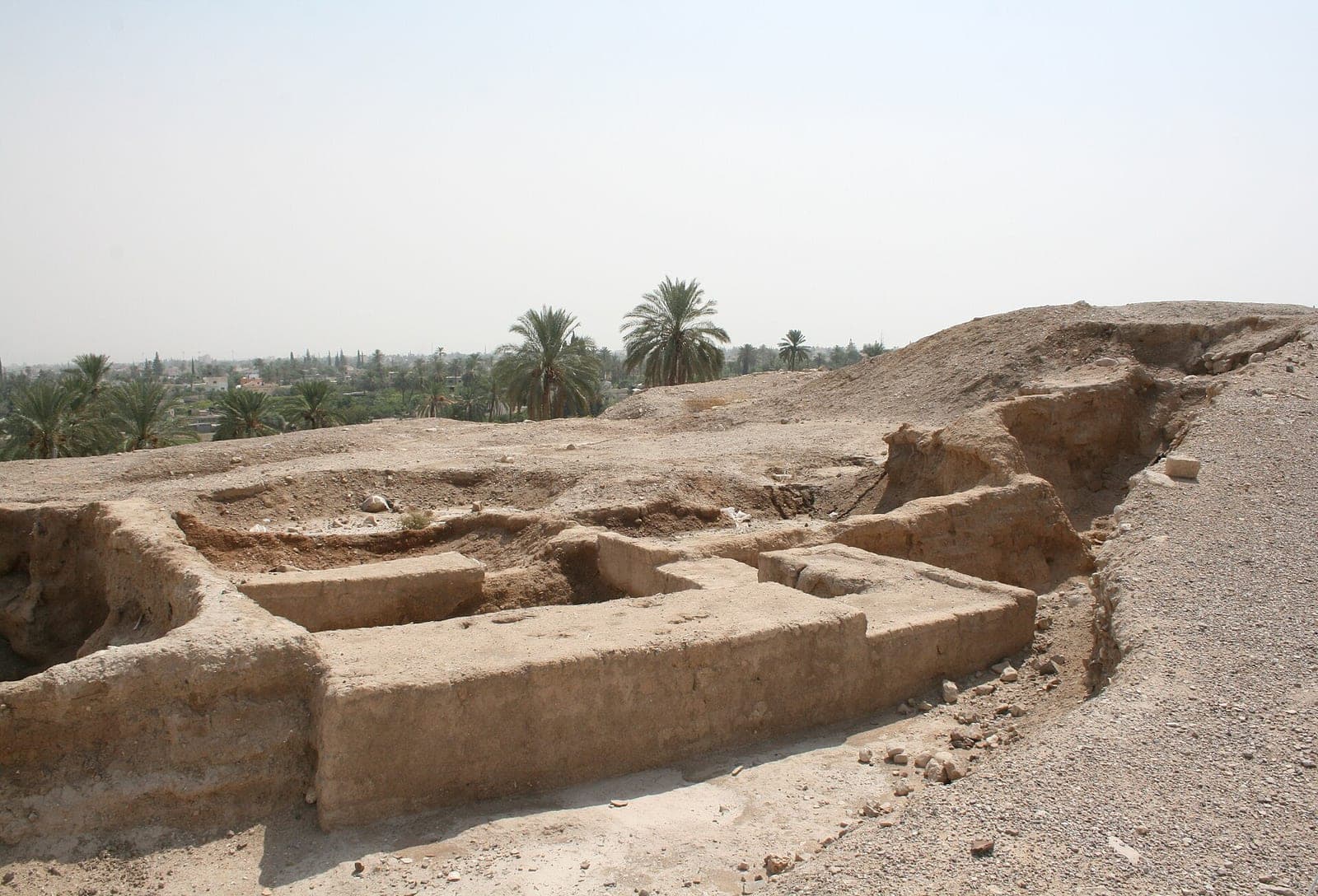
Photo: Diego Delso, via Wikimedia Commons. License: CC BY-SA 3.0. Source. Location: Tell es-Sultan, Jericho, West Bank. Resized for the web.
Explore the places of the Bible
See where biblical events happened, why each place matters, and what archaeology helps us understand.
Jericho
The city of palm trees, whose walls fell in Joshua's day.
Get full access with one subscription
Explore the people and places of the Bible. Read summaries of every book, with images and clear explanations covering every chapter. Access all these features and our Bible study tools with one subscription.
See PlansAsk AI about Deuteronomy 1:35
Ask a question about this verse and get a clear answer, with Bible references you can read for yourself.
Every Bible book, explained chapter by chapter
Explore summaries of every book of the Bible, with images and easy-to-understand explanations covering every chapter.
Keep studying Deuteronomy 1:35
Related Bible verses
Related topics
At a Glance — the Book of Deuteronomy
- Author
- Traditionally attributed to Moses
- Written
- Around 1400 BC
- Genre
- Law (Pentateuch)
- Original Audience
- The Israelites about to enter the Promised Land
Frequently Asked Questions
Quick, clear answers about this verse
What does Deuteronomy 1:35 mean for today's believers?
Deuteronomy 1:35 serves as a warning about the consequences of disobedience and lack of faith. For today's believers, it emphasizes the importance of trusting in God's promises and living in accordance with His will. It reminds us that our choices can affect not only our lives but also our spiritual journey and future blessings. Believers are encouraged to reflect on their faith and ensure their actions align with their values.
Why does God call this generation 'evil' in Deuteronomy 1:35?
In Deuteronomy 1:35, God labels the generation as 'evil' due to their persistent disobedience and lack of faith in His promises. Despite witnessing miracles and guidance, they chose to doubt and rebel against God. This term highlights the seriousness of their actions and serves as a cautionary tale about the consequences of turning away from God's commands.
What is the 'good land' mentioned in Deuteronomy 1:35?
The 'good land' referred to in Deuteronomy 1:35 symbolizes the Promised Land, which God had promised to the ancestors of the Israelites. It represents a place of blessings, fulfillment, and God's provision. For believers today, it can be seen as a metaphor for the spiritual blessings and abundant life that come from following God's guidance and living in faith.
How can I apply the lessons from Deuteronomy 1:35 in my life?
To apply the lessons from Deuteronomy 1:35, focus on building a strong relationship with God through trust and obedience. Reflect on your daily choices and ensure they align with your faith and values. Stay committed to your beliefs, seek God's guidance in your decisions, and remember that your actions today can shape your future. This verse encourages you to live with integrity and faithfulness to experience the blessings God has in store.
Daily Verse — straight to your inbox
A verse and a 2-sentence plain-English explanation, every morning. Free. Unsubscribe anytime.