Old Testament
Deuteronomy 12:15
Read the Bible in clear, modern English—easy to understand, faithful to the meaning, and written for everyday readers.
However, you may slaughter and eat meat in any of your towns whenever you want, as much as the LORD your God's blessing provides. Anyone, whether ceremonially clean or unclean, may eat it — just as you would eat gazelle or deer.
Compare translations
Notwithstanding thou mayest kill and eat flesh in all thy gates, whatsoever thy soul lusteth after, according to the blessing of the LORD thy God which he hath given thee: the unclean and the clean may eat thereof, as of the roebuck, and as of the hart.
What Deuteronomy 12:15 means
Plain-English insight for readers
In this passage, God gives the people permission to eat meat from their own towns whenever they desire, as long as they do so with gratitude for His blessings. This means they can enjoy meals without needing to travel to a central place for sacrifices. It emphasizes that both those who are clean and unclean can partake in this meat, making it accessible to everyone. The reference to gazelle and deer highlights that this is a normal part of their diet. The focus is on the joy of sharing meals and celebrating God’s provision. This instruction encourages a sense of community and togetherness, as families and friends can gather to enjoy food together. It also reflects God’s desire for His people to live freely and joyfully, appreciating the gifts He provides. Overall, this passage illustrates the importance of gratitude and inclusivity in their eating practices, reminding them that God’s blessings are for all, regardless of their status or cleanliness. Eating together is a way to acknowledge and celebrate God’s goodness in their lives.
How to apply Deuteronomy 12:15 to your life
Consider how you can share meals with others, regardless of their background or status. Invite friends or neighbors over for dinner and create an atmosphere of joy and gratitude. Remember that food can be a way to connect and celebrate the blessings in your life together. Embrace the spirit of inclusivity in your gatherings!
Curated for this public verse page. Deuteronomy Summary
Explore more of the Bible
Learn the Bible through its people and places
Get to know the people in Scripture through illustrated stories, and explore the places where they lived and traveled.

Illustrated scene from Ruth's story: Three Widows (Ruth 1:1–5)
Meet the people of the Bible
Follow their lives in order, with illustrated scenes and Bible passages that tell their stories.
 Ruth
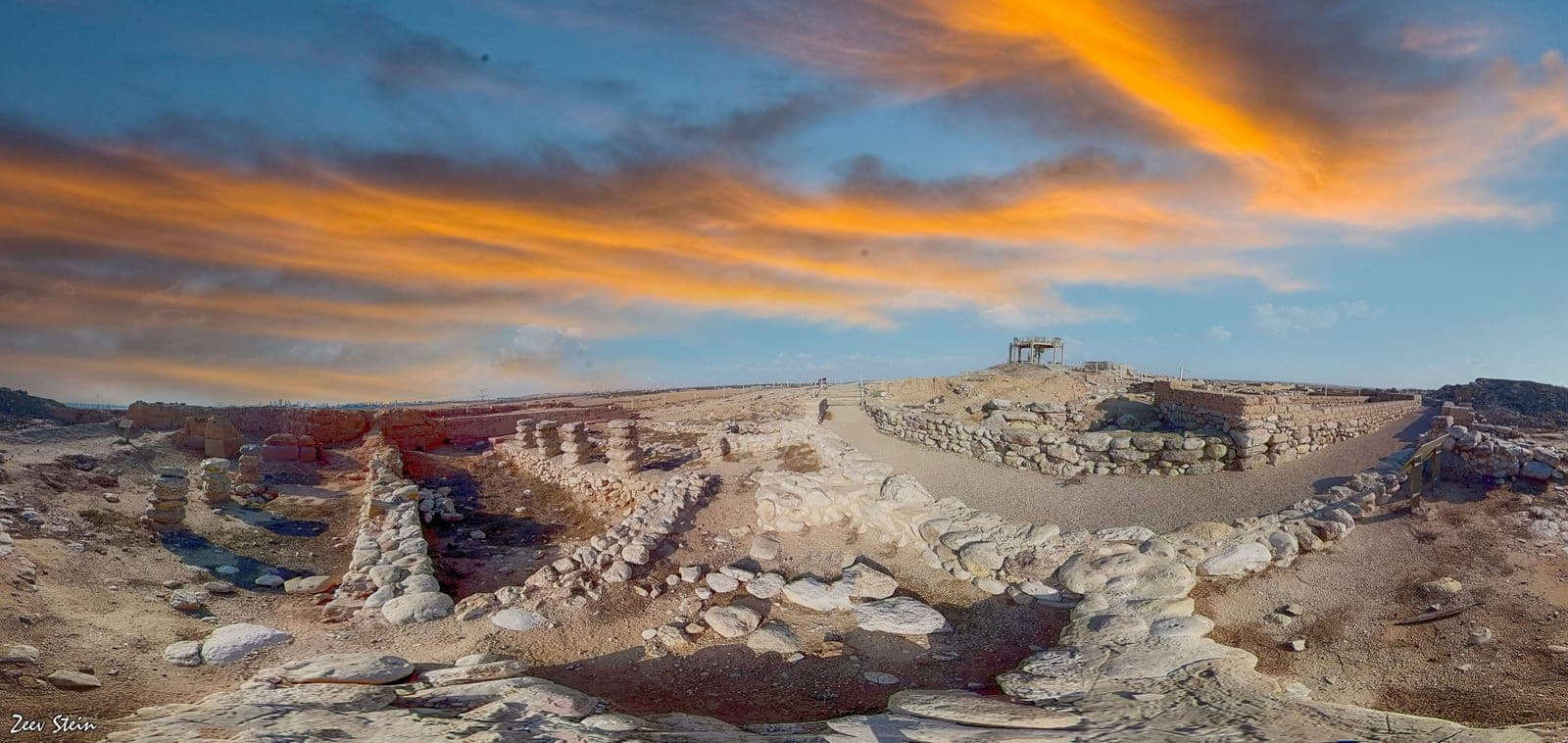
Photo: Zeev Stein / PikiWiki Israel, via Wikimedia Commons. License: CC BY 2.5. Source. Location: Tel Beer Sheva National Park, Israel. Resized for the web.
Explore the places of the Bible
See where biblical events happened, why each place matters, and what archaeology helps us understand.
Beersheba
Where Abraham and Isaac dug wells and worshiped the LORD, at the southern edge of the land.
Get full access with one subscription
Explore the people and places of the Bible. Read summaries of every book, with images and clear explanations covering every chapter. Access all these features and our Bible study tools with one subscription.
See PlansAsk AI about Deuteronomy 12:15
Ask a question about this verse and get a clear answer, with Bible references you can read for yourself.
Every Bible book, explained chapter by chapter
Explore summaries of every book of the Bible, with images and easy-to-understand explanations covering every chapter.
Keep studying Deuteronomy 12:15
Related Bible verses
Key themes
Related topics
At a Glance — the Book of Deuteronomy
- Author
- Traditionally attributed to Moses
- Written
- Around 1400 BC
- Genre
- Law (Pentateuch)
- Original Audience
- The Israelites about to enter the Promised Land
Frequently Asked Questions
Quick, clear answers about this verse
What does Deuteronomy 12:15 mean?
Deuteronomy 12:15 means that God allows the Israelites to eat meat from their own towns whenever they want, as long as they are thankful for His blessings. It emphasizes that both clean and unclean people can enjoy this meat, promoting inclusivity and community.
What is the significance of eating meat in Deuteronomy 12:15?
The significance of eating meat in Deuteronomy 12:15 is that it reflects God's provision for His people, allowing them to enjoy meals without needing to travel for sacrifices. It encourages communal meals and gratitude for God's blessings.
Who can eat the meat mentioned in Deuteronomy 12:15?
According to Deuteronomy 12:15, both ceremonially clean and unclean individuals can eat the meat. This inclusivity highlights that God's blessings are available to everyone, regardless of their status.
What does the phrase 'according to the blessing of the LORD' mean in Deuteronomy 12:15?
The phrase 'according to the blessing of the LORD' in Deuteronomy 12:15 means that the amount of meat one can eat is based on the abundance of God's provision. It encourages gratitude and enjoyment of the gifts God provides.
Daily Verse — straight to your inbox
A verse and a 2-sentence plain-English explanation, every morning. Free. Unsubscribe anytime.