Old Testament
Deuteronomy 15:12
Read the Bible in clear, modern English—easy to understand, faithful to the meaning, and written for everyday readers.
If a fellow Hebrew — whether a man or a woman — is sold to you and serves you for 6 years, you must set them free in the 7th year.
Compare translations
And if thy brother, an Hebrew man, or an Hebrew woman, be sold unto thee, and serve thee six years; then in the seventh year thou shalt let him go free from thee.
What Deuteronomy 15:12 means
Plain-English insight for readers
In this passage, we learn about a compassionate law regarding fellow Hebrews who find themselves in servitude. If a Hebrew man or woman is sold into service, they must work for six years. However, in the seventh year, they are to be set free. This law emphasizes the importance of freedom and dignity for every individual. It reflects a deep understanding of human rights and the need for compassion in relationships. The act of releasing someone after a period of service is not just a legal obligation; it is a moral one. It reminds us that everyone deserves a chance to start anew and that we should treat others with kindness and respect. This principle encourages us to think about how we can support those who are struggling and ensure they have opportunities for a better future. Ultimately, it teaches us about the value of freedom and the responsibility we have to uplift one another in our communities. By practicing this, we create a more just and loving society for all.
How to apply Deuteronomy 15:12 to your life
Consider how you can help someone in need around you. Whether it's offering support, resources, or simply a listening ear, your actions can make a significant difference. Remember, everyone deserves a chance to rebuild their life and find freedom from their struggles. Be a source of hope and encouragement for others in your community.
Curated for this public verse page. Deuteronomy Summary
Explore more of the Bible
Learn the Bible through its people and places
Get to know the people in Scripture through illustrated stories, and explore the places where they lived and traveled.

Illustrated scene from Noah's story: Noah Is Born (Genesis 5:28–32)
Meet the people of the Bible
Follow their lives in order, with illustrated scenes and Bible passages that tell their stories.
 Noah
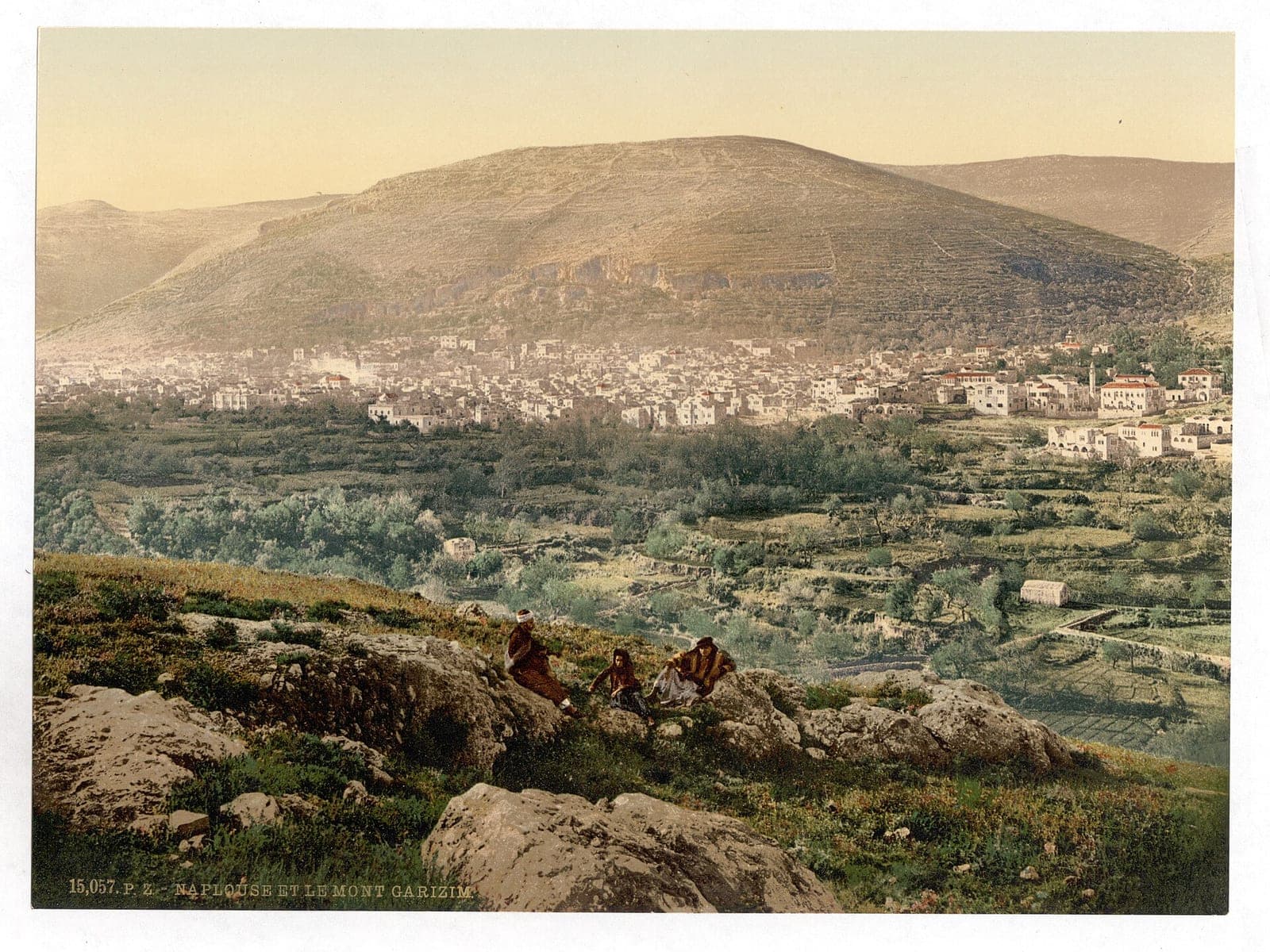
Photo: Photochrom print, Library of Congress Prints and Photographs Division (LCCN 2002725043). License: Public domain in the United States; Library of Congress states no known restrictions on publication. Source. Location: Nablus and Mount Gerizim, West Bank; print preserved by the Library of Congress. Resized for the web.
Explore the places of the Bible
See where biblical events happened, why each place matters, and what archaeology helps us understand.
Shechem
Where God promised the land to Abram, and where Joshua led Israel to renew the covenant.
Get full access with one subscription
Explore the people and places of the Bible. Read summaries of every book, with images and clear explanations covering every chapter. Access all these features and our Bible study tools with one subscription.
See PlansAsk AI about Deuteronomy 15:12
Ask a question about this verse and get a clear answer, with Bible references you can read for yourself.
Every Bible book, explained chapter by chapter
Explore summaries of every book of the Bible, with images and easy-to-understand explanations covering every chapter.
Keep studying Deuteronomy 15:12
Related Bible verses
Key themes
Related topics
At a Glance — the Book of Deuteronomy
- Author
- Traditionally attributed to Moses
- Written
- Around 1400 BC
- Genre
- Law (Pentateuch)
- Original Audience
- The Israelites about to enter the Promised Land
Frequently Asked Questions
Quick, clear answers about this verse
What does Deuteronomy 15:12 teach about servitude?
Deuteronomy 15:12 teaches that if a Hebrew man or woman is sold into servitude, they must serve for six years. In the seventh year, they are to be set free. This law emphasizes the importance of freedom and dignity, highlighting a compassionate approach to those in servitude.
Why is the seventh year significant in this verse?
The seventh year is significant because it marks the end of a six-year period of servitude. It symbolizes a time of release and restoration, reflecting the biblical principle of allowing individuals to regain their freedom and dignity after a period of hardship.
How can we apply the message of Deuteronomy 15:12 today?
We can apply the message of Deuteronomy 15:12 by actively supporting those in our communities who are struggling. This could involve offering assistance, resources, or emotional support to help them rebuild their lives and find freedom from their challenges.
How does Deuteronomy 15:12 relate to community support?
Deuteronomy 15:12 relates to community support by encouraging us to uplift one another. It teaches that we have a responsibility to help those in need, fostering a sense of compassion and solidarity within our communities.
Daily Verse — straight to your inbox
A verse and a 2-sentence plain-English explanation, every morning. Free. Unsubscribe anytime.