Old Testament
Deuteronomy 28:53
Read the Bible in clear, modern English—easy to understand, faithful to the meaning, and written for everyday readers.
During the siege, when your enemies have you in such desperate straits, you'll be driven to eat your own children — the flesh of the sons and daughters the LORD your God gave you.
Compare translations
And thou shalt eat the fruit of thine own body, the flesh of thy sons and of thy daughters, which the LORD thy God hath given thee, in the siege, and in the straitness, wherewith thine enemies shall distress thee:
What Deuteronomy 28:53 means
Plain-English insight for readers
This verse paints a grim picture of desperation during a siege, where the people face extreme hunger and suffering. It highlights the severity of their situation, where they are driven to the unthinkable act of consuming their own children. This is a stark reminder of the consequences of turning away from God and the protection He offers. The imagery is shocking, emphasizing the depth of despair that can arise from conflict and disobedience. It serves as a warning about the dire outcomes of straying from faith and the importance of community and support during tough times. The mention of children, who are typically symbols of hope and future, underscores the tragedy of such a situation. This verse challenges us to reflect on our values and the lengths we might go to in times of crisis, urging us to seek help and maintain our humanity even in the darkest moments. Ultimately, it calls for a return to faith and reliance on God’s provision and care, rather than succumbing to fear and desperation.
How to apply Deuteronomy 28:53 to your life
In our lives, we may face overwhelming challenges that test our limits. This verse encourages us to seek support from others and to maintain our values, even in tough times. Remember that turning to faith can provide strength and guidance when we feel lost or desperate. We should strive to uplift one another during hardships, fostering a sense of community and hope together. It’s essential to prioritize compassion and humanity.
Curated for this public verse page. Deuteronomy Summary
Explore more of the Bible
Learn the Bible through its people and places
Get to know the people in Scripture through illustrated stories, and explore the places where they lived and traveled.

Illustrated scene from Moses's story: Israel Enslaved in Egypt (Exodus 1:8–22)
Meet the people of the Bible
Follow their lives in order, with illustrated scenes and Bible passages that tell their stories.
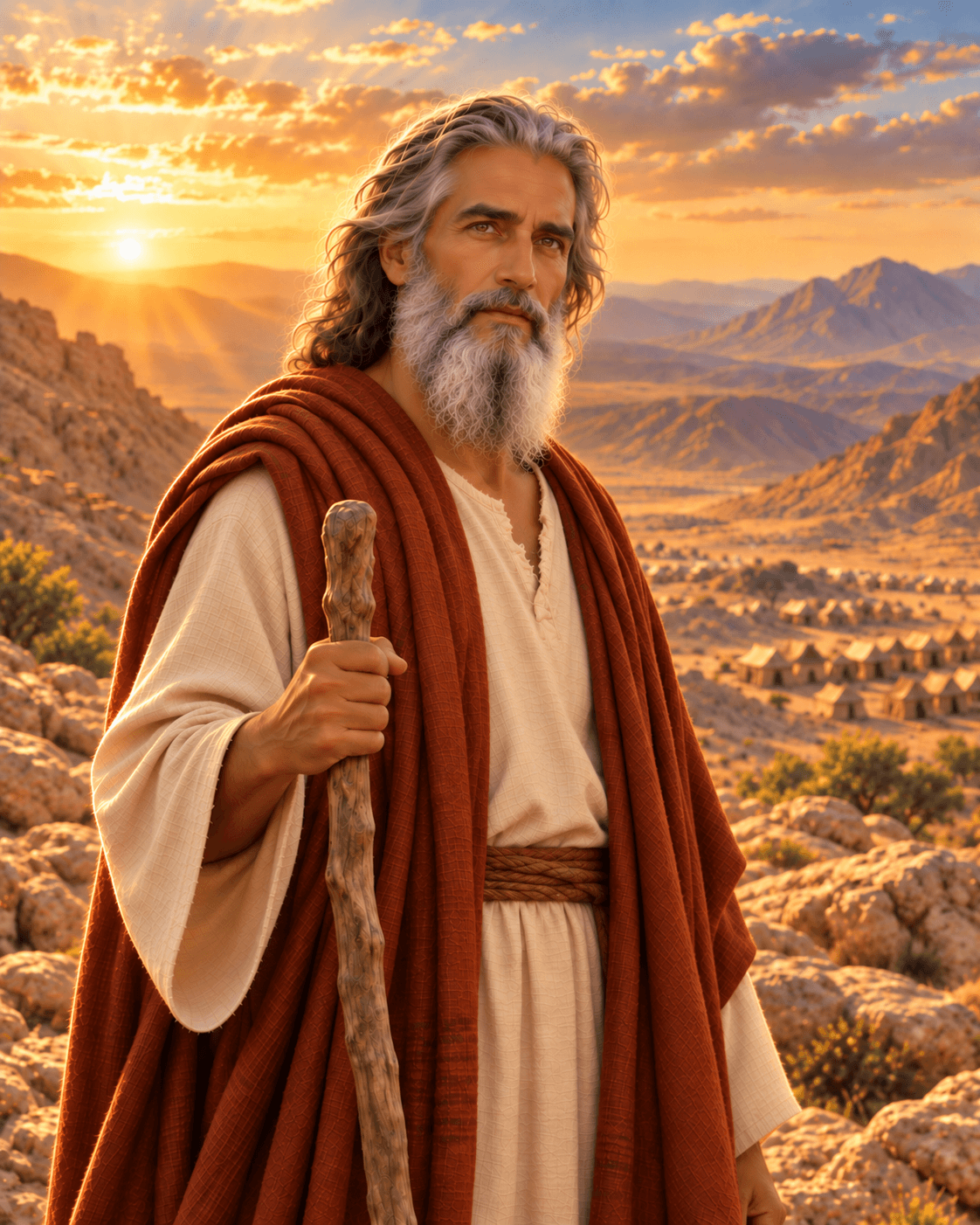 Moses
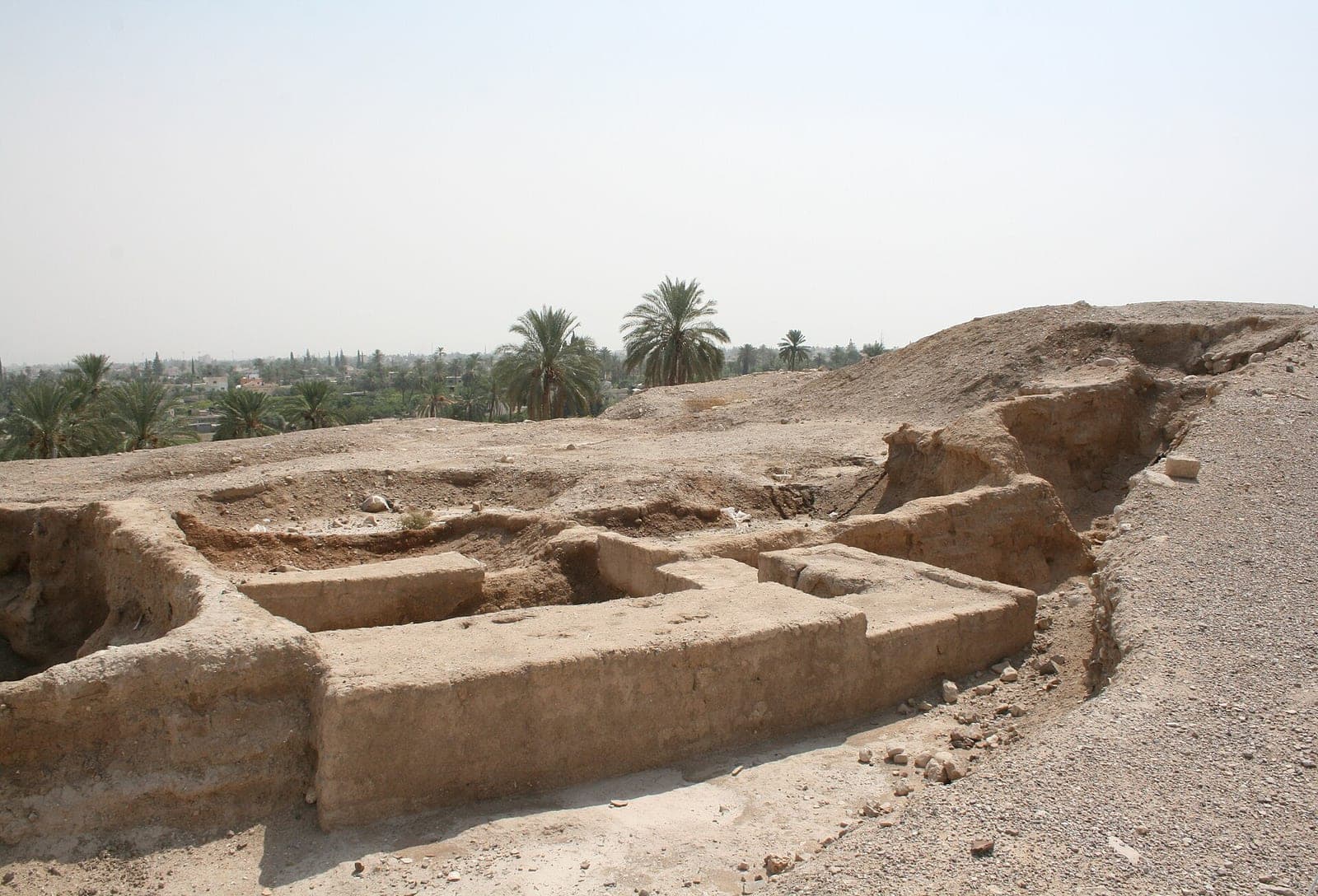
Photo: Diego Delso, via Wikimedia Commons. License: CC BY-SA 3.0. Source. Location: Tell es-Sultan, Jericho, West Bank. Resized for the web.
Explore the places of the Bible
See where biblical events happened, why each place matters, and what archaeology helps us understand.
Jericho
The city of palm trees, whose walls fell in Joshua's day.
Get full access with one subscription
Explore the people and places of the Bible. Read summaries of every book, with images and clear explanations covering every chapter. Access all these features and our Bible study tools with one subscription.
See PlansAsk AI about Deuteronomy 28:53
Ask a question about this verse and get a clear answer, with Bible references you can read for yourself.
Every Bible book, explained chapter by chapter
Explore summaries of every book of the Bible, with images and easy-to-understand explanations covering every chapter.
Keep studying Deuteronomy 28:53
Related Bible verses
Key themes
Related topics
At a Glance — the Book of Deuteronomy
- Author
- Traditionally attributed to Moses
- Written
- Around 1400 BC
- Genre
- Law (Pentateuch)
- Original Audience
- The Israelites about to enter the Promised Land
Frequently Asked Questions
Quick, clear answers about this verse
What does Deuteronomy 28:53 mean?
Deuteronomy 28:53 describes a dire situation during a siege where people may resort to extreme measures, including cannibalism, due to severe hunger and desperation. It serves as a warning about the consequences of turning away from God and highlights the tragic outcomes of conflict and disobedience.
What is the significance of eating children in Deuteronomy 28:53?
The mention of eating children in Deuteronomy 28:53 symbolizes the ultimate despair and loss of hope in a time of crisis. It emphasizes the severity of the situation and the breakdown of community and morality when faced with extreme suffering.
How does Deuteronomy 28:53 relate to faith and community?
Deuteronomy 28:53 highlights the importance of faith and community support during difficult times. It serves as a reminder to seek help and maintain humanity, rather than succumbing to fear and isolation.
What themes are present in Deuteronomy 28:53?
The key themes in Deuteronomy 28:53 include desperation, the consequences of disobedience, the importance of faith, the need for community support, and the suffering that can arise from conflict.
Daily Verse — straight to your inbox
A verse and a 2-sentence plain-English explanation, every morning. Free. Unsubscribe anytime.