Old Testament
Deuteronomy 34:8
Read the Bible in clear, modern English—easy to understand, faithful to the meaning, and written for everyday readers.
The people of Israel mourned for Moses in the plains of Moab for 30 days. Then the time of weeping and mourning came to an end.
Compare translations
And the children of Israel wept for Moses in the plains of Moab thirty days: so the days of weeping and mourning for Moses were ended.
What Deuteronomy 34:8 means
Plain-English insight for readers
In the plains of Moab, the Israelites experienced a profound loss with the death of Moses, their leader and guide. For thirty days, they mourned, expressing their grief and honoring his legacy. This period of mourning was significant, allowing them to process their emotions and reflect on the impact Moses had on their lives. He had led them through challenges, taught them about their faith, and helped them understand their identity as a people. The mourning period was a communal experience, uniting them in their sorrow and remembrance. After thirty days, they concluded their mourning, marking a transition in their journey. This moment signifies the importance of acknowledging loss and the need to move forward while cherishing the memories of those who have shaped us. It reminds us that grief is a natural part of life, and taking time to mourn is essential for healing and growth. The Israelites were now ready to continue their journey into the future, carrying Moses's teachings and spirit with them.
How to apply Deuteronomy 34:8 to your life
When we experience loss, it's important to take time to grieve and remember those we've lost. Just like the Israelites, we can find strength in community during difficult times. Allow yourself to feel your emotions and honor the memories of loved ones as you move forward in life. Healing takes time, and that's okay. Embrace the journey ahead with hope and resilience.
Curated for this public verse page. Deuteronomy Summary
Learn the Bible through its people and places
Get to know the people in Scripture through illustrated stories, and explore the places where they lived and traveled.

Illustrated scene from Moses's story: The Death of Moses (Deuteronomy 34:1–12)
Meet the people of the Bible
Follow their lives in order, with illustrated scenes and Bible passages that tell their stories.
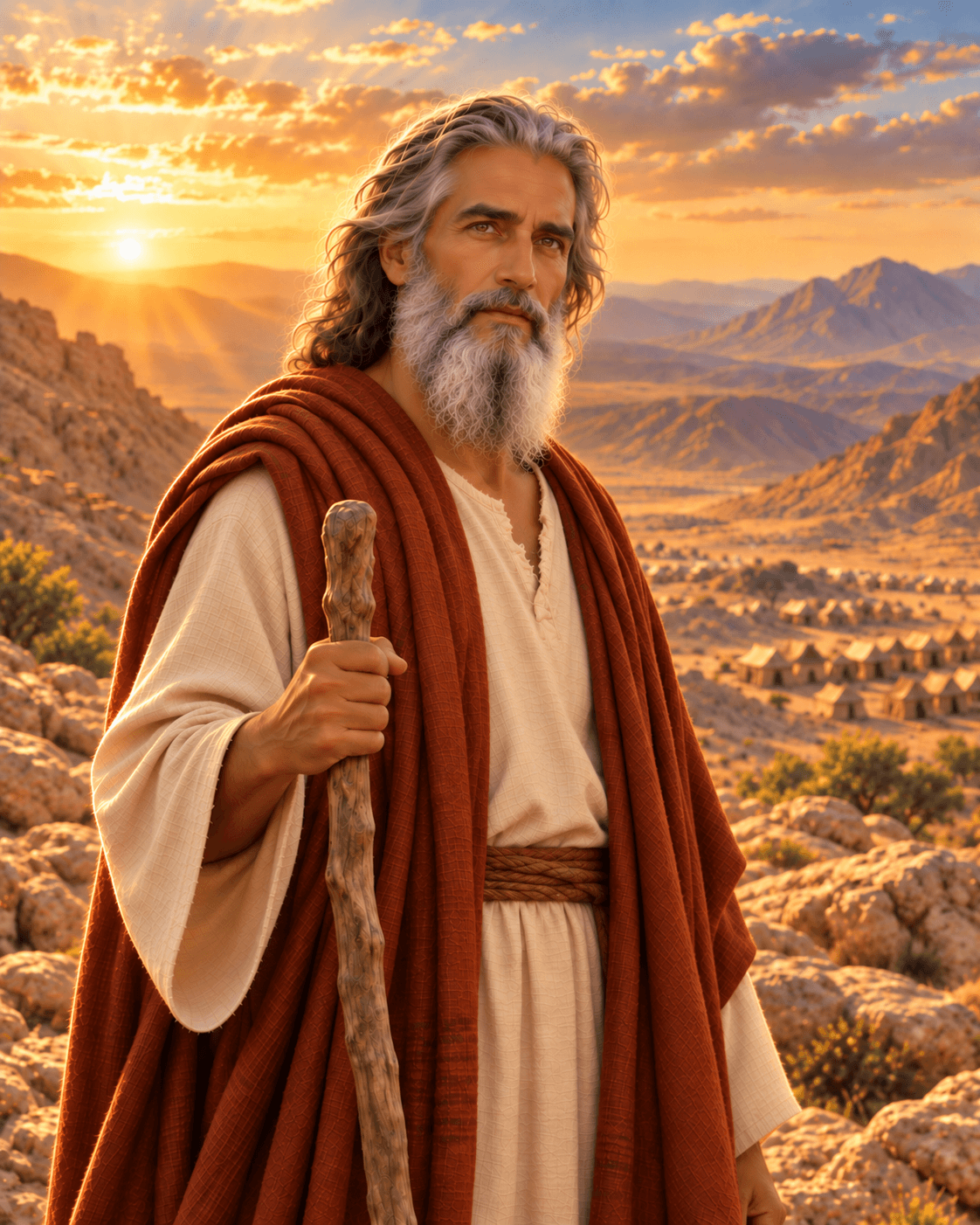 Moses

Photo: Photochrom print, Library of Congress Prints and Photographs Division (LCCN 2002724987). License: Public domain in the United States; Library of Congress states no known restrictions on publication. Source. Location: Hebron, West Bank; print preserved by the Library of Congress. Resized for the web.
Explore the places of the Bible
See where biblical events happened, why each place matters, and what archaeology helps us understand.
Hebron
Where Abraham lived and buried Sarah, and where David was first made king.
Get full access with one subscription
Explore the people and places of the Bible. Read summaries of every book, with images and clear explanations covering every chapter. Access all these features and our Bible study tools with one subscription.
See PlansAsk AI about Deuteronomy 34:8
Ask a question about this verse and get a clear answer, with Bible references you can read for yourself.
Every Bible book, explained chapter by chapter
Explore summaries of every book of the Bible, with images and easy-to-understand explanations covering every chapter.
Keep studying Deuteronomy 34:8
Related Bible verses
At a Glance — the Book of Deuteronomy
- Author
- Traditionally attributed to Moses
- Written
- Around 1400 BC
- Genre
- Law (Pentateuch)
- Original Audience
- The Israelites about to enter the Promised Land
Frequently Asked Questions
Quick, clear answers about this verse
What does Deuteronomy 34:8 teach about mourning?
Deuteronomy 34:8 highlights the importance of mourning as a communal experience. The Israelites mourned for Moses for thirty days, which allowed them to process their grief collectively. This period signifies that mourning is a natural response to loss and that taking time to honor those who have passed is essential for emotional healing.
Why did the Israelites mourn for Moses for thirty days?
The thirty-day mourning period for Moses was significant as it reflected the deep respect and love the Israelites had for their leader. Moses was not only a guide but also a pivotal figure in their faith and identity. This extended time of mourning allowed the community to come together, share their grief, and honor his legacy before moving forward.
How can we apply the lessons from Deuteronomy 34:8 in our lives?
We can apply the lessons from Deuteronomy 34:8 by allowing ourselves and our communities to grieve when we experience loss. Just as the Israelites took time to mourn, we should recognize the importance of processing our emotions and honoring the memories of those we've lost. Engaging in communal support during difficult times can help us heal and transition into the next phase of our lives.
What is the significance of mourning in the Bible?
Mourning in the Bible is significant as it acknowledges the reality of loss and the emotional impact it has on individuals and communities. It serves as a time for reflection, remembrance, and healing. Biblical mourning often involves communal support, emphasizing that we are not alone in our grief and that sharing our sorrow can strengthen bonds within the community.
Daily Verse — straight to your inbox
A verse and a 2-sentence plain-English explanation, every morning. Free. Unsubscribe anytime.