Old Testament
Deuteronomy 7:17
Read the Bible in clear, modern English—easy to understand, faithful to the meaning, and written for everyday readers.
You might think to yourself, 'These nations are stronger than we are. How can we possibly drive them out?'
Compare translations
If thou shalt say in thine heart, These nations are more than I; how can I dispossess them?
What Deuteronomy 7:17 means
Plain-English insight for readers
In this verse, the speaker reflects on a common fear: feeling overwhelmed by challenges that seem too great to overcome. The nations they face appear stronger, leading to doubts about their ability to succeed. This internal struggle is relatable; we often question our strength when confronted with daunting tasks. The thought of facing powerful adversaries can be paralyzing, making us wonder if we should even try. However, this moment of doubt is an opportunity for growth. It encourages us to seek support and guidance, reminding us that we are not alone in our struggles. Recognizing our fears is the first step toward overcoming them. Instead of succumbing to despair, we can find courage and resilience within ourselves and our communities. This verse invites us to confront our fears and trust in our ability to rise above them, no matter how formidable the challenge may seem. It’s a call to action, urging us to move forward despite our doubts and to believe in our potential.
How to apply Deuteronomy 7:17 to your life
When faced with challenges that seem insurmountable, take a moment to acknowledge your fears. Instead of letting them paralyze you, reach out for support from friends or mentors. Remember that you are not alone in your struggles, and together, you can find the strength to overcome any obstacle. Trust in your abilities and take that first step forward!
Curated for this public verse page. Deuteronomy Summary
Explore more of the Bible
Learn the Bible through its people and places
Get to know the people in Scripture through illustrated stories, and explore the places where they lived and traveled.

Illustrated scene from Noah's story: Noah Is Born (Genesis 5:28–32)
Meet the people of the Bible
Follow their lives in order, with illustrated scenes and Bible passages that tell their stories.
 Noah
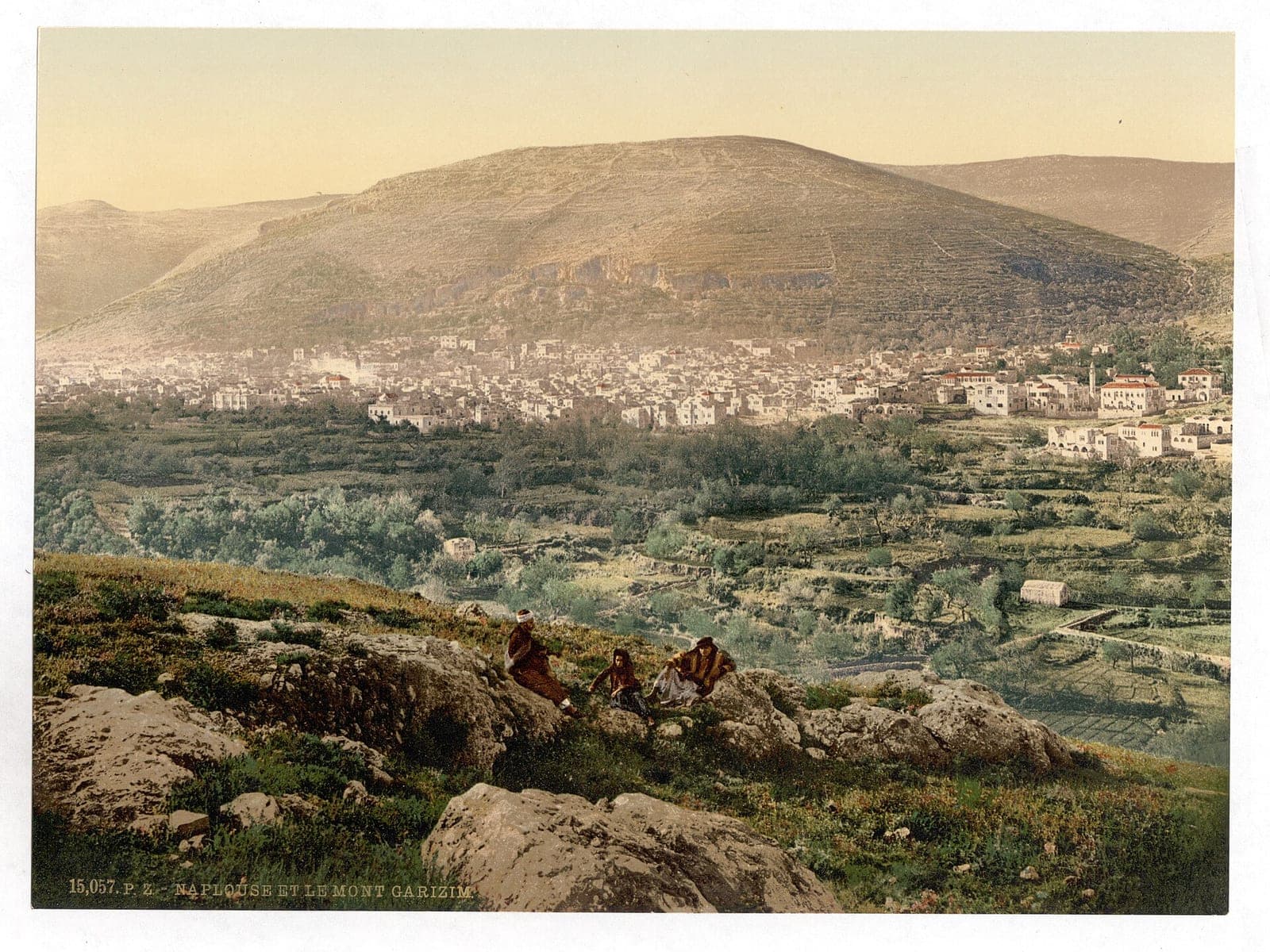
Photo: Photochrom print, Library of Congress Prints and Photographs Division (LCCN 2002725043). License: Public domain in the United States; Library of Congress states no known restrictions on publication. Source. Location: Nablus and Mount Gerizim, West Bank; print preserved by the Library of Congress. Resized for the web.
Explore the places of the Bible
See where biblical events happened, why each place matters, and what archaeology helps us understand.
Shechem
Where God promised the land to Abram, and where Joshua led Israel to renew the covenant.
Get full access with one subscription
Explore the people and places of the Bible. Read summaries of every book, with images and clear explanations covering every chapter. Access all these features and our Bible study tools with one subscription.
See PlansAsk AI about Deuteronomy 7:17
Ask a question about this verse and get a clear answer, with Bible references you can read for yourself.
Every Bible book, explained chapter by chapter
Explore summaries of every book of the Bible, with images and easy-to-understand explanations covering every chapter.
Keep studying Deuteronomy 7:17
Related Bible verses
Key themes
Related topics
At a Glance — the Book of Deuteronomy
- Author
- Traditionally attributed to Moses
- Written
- Around 1400 BC
- Genre
- Law (Pentateuch)
- Original Audience
- The Israelites about to enter the Promised Land
Frequently Asked Questions
Quick, clear answers about this verse
What does Deuteronomy 7:17 teach about fear?
Deuteronomy 7:17 addresses the fear of facing challenges that seem overwhelming. It acknowledges the internal struggle of feeling inadequate when confronted with stronger adversaries. This verse encourages us to recognize our fears and doubts, but also to seek strength and support from others, reminding us that we are not alone in our battles.
How can I apply Deuteronomy 7:17 in my life?
To apply Deuteronomy 7:17, start by acknowledging your fears when facing difficult situations. Instead of letting these fears hold you back, reach out to friends, family, or mentors for support. This verse serves as a reminder that overcoming challenges is possible when we trust in our abilities and lean on our community for strength.
How does Deuteronomy 7:17 relate to self-doubt?
Deuteronomy 7:17 highlights the theme of self-doubt by illustrating the internal dialogue of questioning one's strength against seemingly stronger opponents. It reflects a common human experience of feeling inadequate. The verse encourages us to confront these doubts and to seek support, fostering resilience and courage in the face of adversity.
What is the main message of Deuteronomy 7:17?
The main message of Deuteronomy 7:17 is to confront fear and self-doubt when faced with overwhelming challenges. It encourages individuals to recognize their feelings of inadequacy but also to seek help and support from others. Ultimately, it calls for courage and action, reminding us that we can overcome obstacles with faith and community.
Daily Verse — straight to your inbox
A verse and a 2-sentence plain-English explanation, every morning. Free. Unsubscribe anytime.