Old Testament
Ecclesiastes 1:14
Read the Bible in clear, modern English—easy to understand, faithful to the meaning, and written for everyday readers.
I have seen all the works that are done under the sun, and behold, all is vanity and vexation of spirit.
Compare translations
I have seen all the works that are done under the sun; and, behold, all is vanity and vexation of spirit.
What Ecclesiastes 1:14 means
Plain-English insight for readers
In this verse, the writer reflects on everything happening in life. He observes all the activities and efforts people put into their daily lives. However, he concludes that these pursuits often feel meaningless and frustrating. The term 'vanity' suggests that many things we chase after are empty and do not bring lasting satisfaction. The phrase 'vexation of spirit' indicates a deep sense of frustration and discontent. This perspective encourages us to think critically about what truly matters in life. Are we investing our time and energy in things that will bring us joy and fulfillment? The writer's observations remind us to seek deeper meaning beyond surface-level achievements and material gains. Ultimately, it challenges us to find purpose in our lives that transcends the fleeting nature of worldly pursuits, urging us to focus on what truly enriches our spirit and brings lasting happiness. By doing so, we can navigate life with a clearer understanding of what is genuinely valuable.
How to apply Ecclesiastes 1:14 to your life
Consider what you are investing your time and energy into. Are these pursuits bringing you true joy and satisfaction? Reflect on your life choices and seek activities that align with your values and bring lasting happiness. Focus on what enriches your spirit and contributes to your well-being. Make conscious decisions about how you spend your time and resources, prioritizing what truly matters to you. This can lead to a more fulfilling life.
Curated for this public verse page. Ecclesiastes Summary
Explore more of the Bible
Learn the Bible through its people and places
Get to know the people in Scripture through illustrated stories, and explore the places where they lived and traveled.

Illustrated scene from David's story: Samuel Anoints David (1 Samuel 16:1–13)
Meet the people of the Bible
Follow their lives in order, with illustrated scenes and Bible passages that tell their stories.
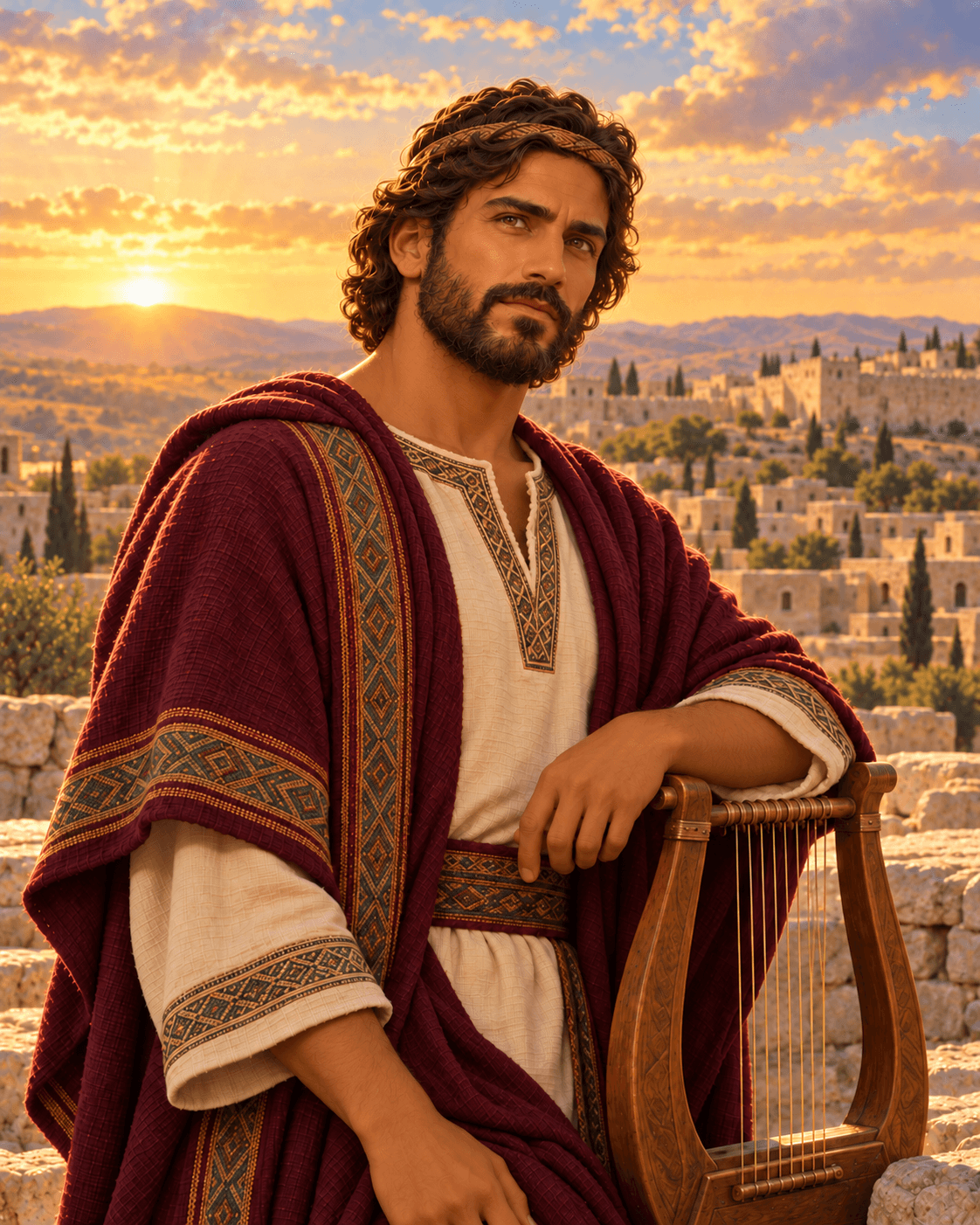 David
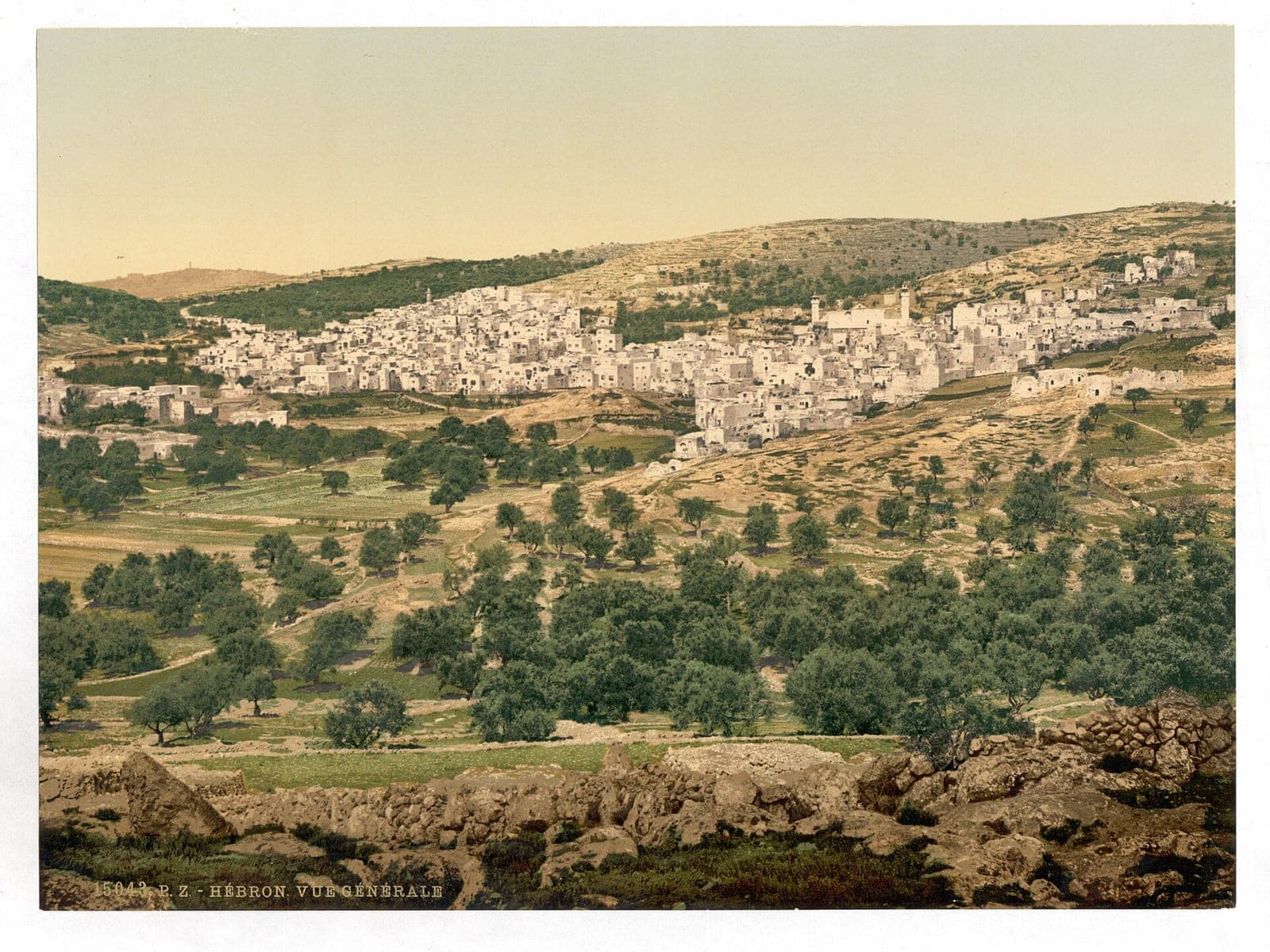
Photo: Photochrom print, Library of Congress Prints and Photographs Division (LCCN 2002724987). License: Public domain in the United States; Library of Congress states no known restrictions on publication. Source. Location: Hebron, West Bank; print preserved by the Library of Congress. Resized for the web.
Explore the places of the Bible
See where biblical events happened, why each place matters, and what archaeology helps us understand.
Hebron
Where Abraham lived and buried Sarah, and where David was first made king.
Get full access with one subscription
Explore the people and places of the Bible. Read summaries of every book, with images and clear explanations covering every chapter. Access all these features and our Bible study tools with one subscription.
See PlansAsk AI about Ecclesiastes 1:14
Ask a question about this verse and get a clear answer, with Bible references you can read for yourself.
Every Bible book, explained chapter by chapter
Explore summaries of every book of the Bible, with images and easy-to-understand explanations covering every chapter.
Keep studying Ecclesiastes 1:14
Related Bible verses
At a Glance — the Book of Ecclesiastes
- Author
- Traditionally attributed to Solomon
- Written
- Around 935 BC
- Genre
- Wisdom literature
- Original Audience
- Those searching for life's meaning
Frequently Asked Questions
Quick, clear answers about this verse
What does Ecclesiastes 1:14 mean?
Ecclesiastes 1:14 reflects on the futility of human efforts and activities. The writer observes that despite all the work done in life, it often feels meaningless and leads to frustration.
What is the meaning of 'vanity' in Ecclesiastes 1:14?
In Ecclesiastes 1:14, 'vanity' refers to the emptiness and lack of lasting value in many pursuits people chase after. It suggests that these efforts do not provide true satisfaction or fulfillment.
What does 'vexation of spirit' mean in Ecclesiastes 1:14?
'Vexation of spirit' in Ecclesiastes 1:14 indicates a deep sense of frustration and discontent. It highlights the emotional struggle that arises from realizing the futility of certain life pursuits.
How can I apply Ecclesiastes 1:14 to my life?
To apply Ecclesiastes 1:14, consider what you invest your time and energy into. Reflect on whether these pursuits bring you genuine joy and fulfillment, and prioritize activities that enrich your spirit.
Daily Verse — straight to your inbox
A verse and a 2-sentence plain-English explanation, every morning. Free. Unsubscribe anytime.