Old Testament
Ecclesiastes 10:20
Read the Bible in clear, modern English—easy to understand, faithful to the meaning, and written for everyday readers.
Do not curse the king, no, not in your thought, and do not curse the rich in your bedchamber; for a bird of the air shall carry the voice, and that which has wings shall tell the matter.
Compare translations
Curse not the king, no not in thy thought; and curse not the rich in thy bedchamber: for a bird of the air shall carry the voice, and that which hath wings shall tell the matter.
What Ecclesiastes 10:20 means
Plain-English insight for readers
This verse advises against speaking ill of those in power, like kings or wealthy individuals, even in private thoughts. The idea is that negative words can travel and be heard by others, much like a bird carrying a message. It highlights the importance of being mindful of our thoughts and words, as they can have consequences beyond our immediate surroundings. Cursing or criticizing those in authority can lead to unexpected repercussions. The verse serves as a reminder to maintain respect and discretion, even when we feel frustrated or wronged. It encourages us to think before we speak, recognizing that our words can have a life of their own. Ultimately, it teaches us to cultivate a spirit of wisdom and caution in our interactions with others, especially those who hold power. By doing so, we can foster a more respectful and harmonious environment, both personally and socially. This wisdom is timeless, urging us to reflect on our attitudes and the potential impact of our words.
How to apply Ecclesiastes 10:20 to your life
In your daily life, be mindful of how you speak about others, especially those in positions of power. Avoid negative thoughts and comments, as they can lead to misunderstandings and conflict. Instead, focus on constructive dialogue and respect, fostering a positive atmosphere around you. This practice can enhance your relationships and promote peace in your community. Remember, your words matter more than you think!
Curated for this public verse page. Ecclesiastes Summary
Explore more of the Bible
Learn the Bible through its people and places
Get to know the people in Scripture through illustrated stories, and explore the places where they lived and traveled.

Illustrated scene from Daniel's story: Faithful at the King's Table (Daniel 1:1–21)
Meet the people of the Bible
Follow their lives in order, with illustrated scenes and Bible passages that tell their stories.
 Daniel
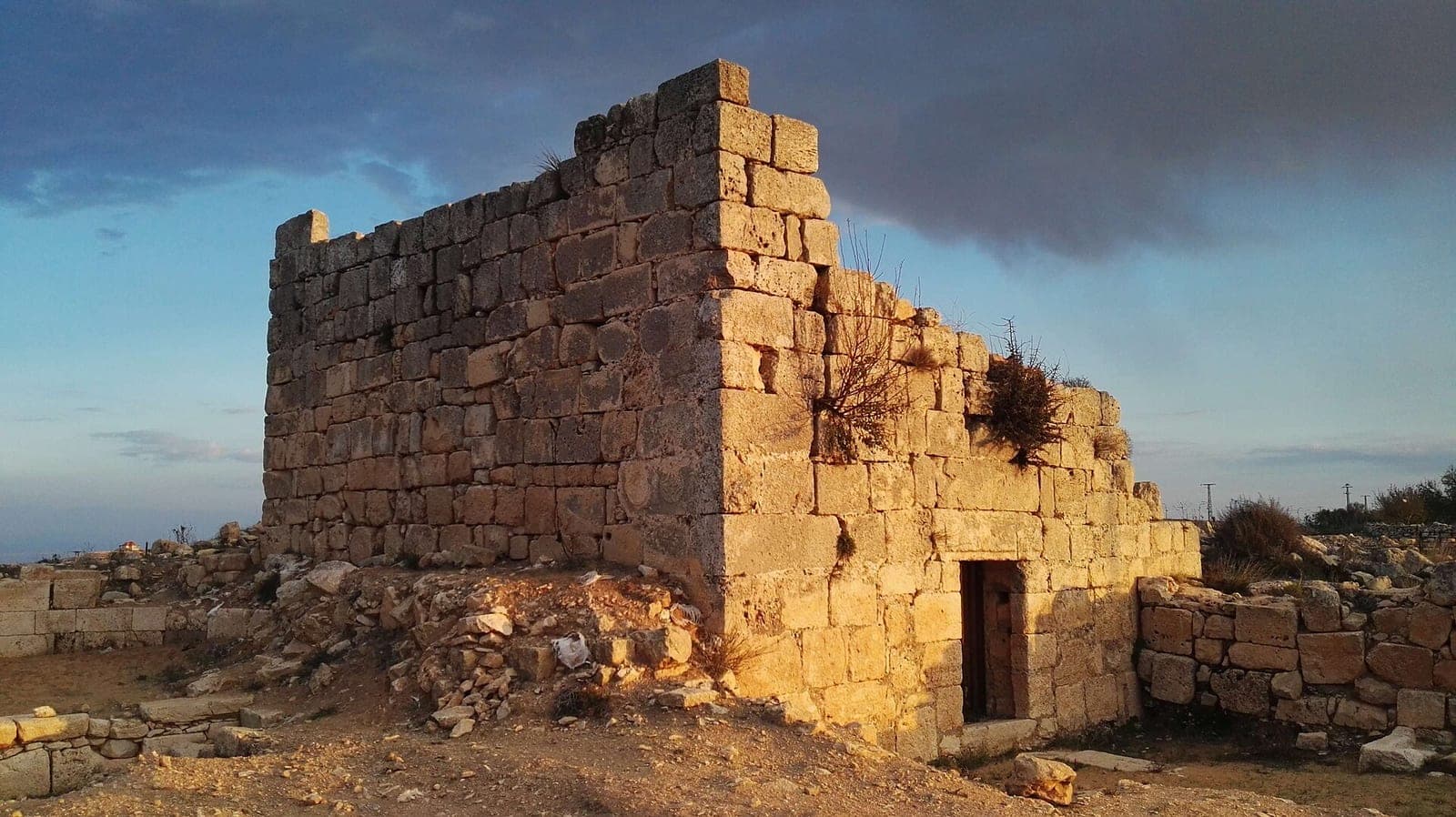
Photo: Bukvoed, via Wikimedia Commons. License: CC BY 4.0. Source. Location: Burj Beitin, Beitin, Ramallah and al-Bireh Governorate, West Bank. Resized for the web.
Explore the places of the Bible
See where biblical events happened, why each place matters, and what archaeology helps us understand.
Bethel
Where Jacob dreamed of a stairway to heaven and met God.
Get full access with one subscription
Explore the people and places of the Bible. Read summaries of every book, with images and clear explanations covering every chapter. Access all these features and our Bible study tools with one subscription.
See PlansAsk AI about Ecclesiastes 10:20
Ask a question about this verse and get a clear answer, with Bible references you can read for yourself.
Every Bible book, explained chapter by chapter
Explore summaries of every book of the Bible, with images and easy-to-understand explanations covering every chapter.
Keep studying Ecclesiastes 10:20
Related Bible verses
At a Glance — the Book of Ecclesiastes
- Author
- Traditionally attributed to Solomon
- Written
- Around 935 BC
- Genre
- Wisdom literature
- Original Audience
- Those searching for life's meaning
Frequently Asked Questions
Quick, clear answers about this verse
What does Ecclesiastes 10:20 mean?
Ecclesiastes 10:20 advises against speaking negatively about those in power, such as kings and wealthy individuals, even in private. It suggests that our words can travel and be overheard, leading to unforeseen consequences.
What is the meaning of cursing the king in Ecclesiastes 10:20?
Cursing the king in Ecclesiastes 10:20 refers to expressing negative thoughts or words about those in authority. The verse warns that such criticism can have repercussions, as it may be heard by others.
How can I apply Ecclesiastes 10:20 in my life?
To apply Ecclesiastes 10:20, be mindful of how you speak about authority figures. Focus on respectful communication and avoid negative comments, as this can help maintain harmony and prevent conflict.
What themes are present in Ecclesiastes 10:20?
Key themes in Ecclesiastes 10:20 include respect for authority, the power of words, discretion in speech, and the consequences of our thoughts. It encourages wisdom in how we communicate.
Daily Verse — straight to your inbox
A verse and a 2-sentence plain-English explanation, every morning. Free. Unsubscribe anytime.