Old Testament
Exodus 12:13
Read the Bible in clear, modern English—easy to understand, faithful to the meaning, and written for everyday readers.
The blood on your houses will be a sign that marks where you are. When I see the blood, I will pass over you. No destructive plague will touch you when I strike Egypt.
Compare translations
And the blood shall be to you for a token upon the houses where ye are: and when I see the blood, I will pass over you, and the plague shall not be upon you to destroy you, when I smite the land of Egypt.
What Exodus 12:13 means
Plain-English insight for readers
In this passage, God instructs the Israelites to mark their homes with blood from a lamb. This act serves as a sign for God to recognize their houses during a time of judgment. When God sees the blood, He promises to protect those inside from harm. This event is significant because it symbolizes safety and deliverance. The blood represents a covenant between God and His people, ensuring that they will not face the same fate as the Egyptians. It highlights the importance of obedience and faith in God's promises. The Israelites are reminded that their trust in God leads to protection and salvation. This moment is a pivotal point in their journey, marking their liberation from slavery in Egypt. It teaches us about the power of faith and the significance of following divine guidance in our lives, especially during challenging times. The blood on the doorframes becomes a powerful reminder of God's mercy and the hope that comes from trusting in Him, even in the darkest moments.
How to apply Exodus 12:13 to your life
In our lives, we can find comfort in knowing that faith can protect us during difficult times. Just as the Israelites were marked for safety, we can seek God's guidance and trust in His promises. Remember to look for signs of hope and deliverance in your own journey, and stay obedient to what you believe is right. This can lead to peace and security in uncertain situations. Trusting in God can transform our fears into
Curated for this public verse page. Exodus Summary
Learn the Bible through its people and places
Get to know the people in Scripture through illustrated stories, and explore the places where they lived and traveled.

Illustrated scene from Moses's story: The First Passover (Exodus 12:1–28)
Meet the people of the Bible
Follow their lives in order, with illustrated scenes and Bible passages that tell their stories.
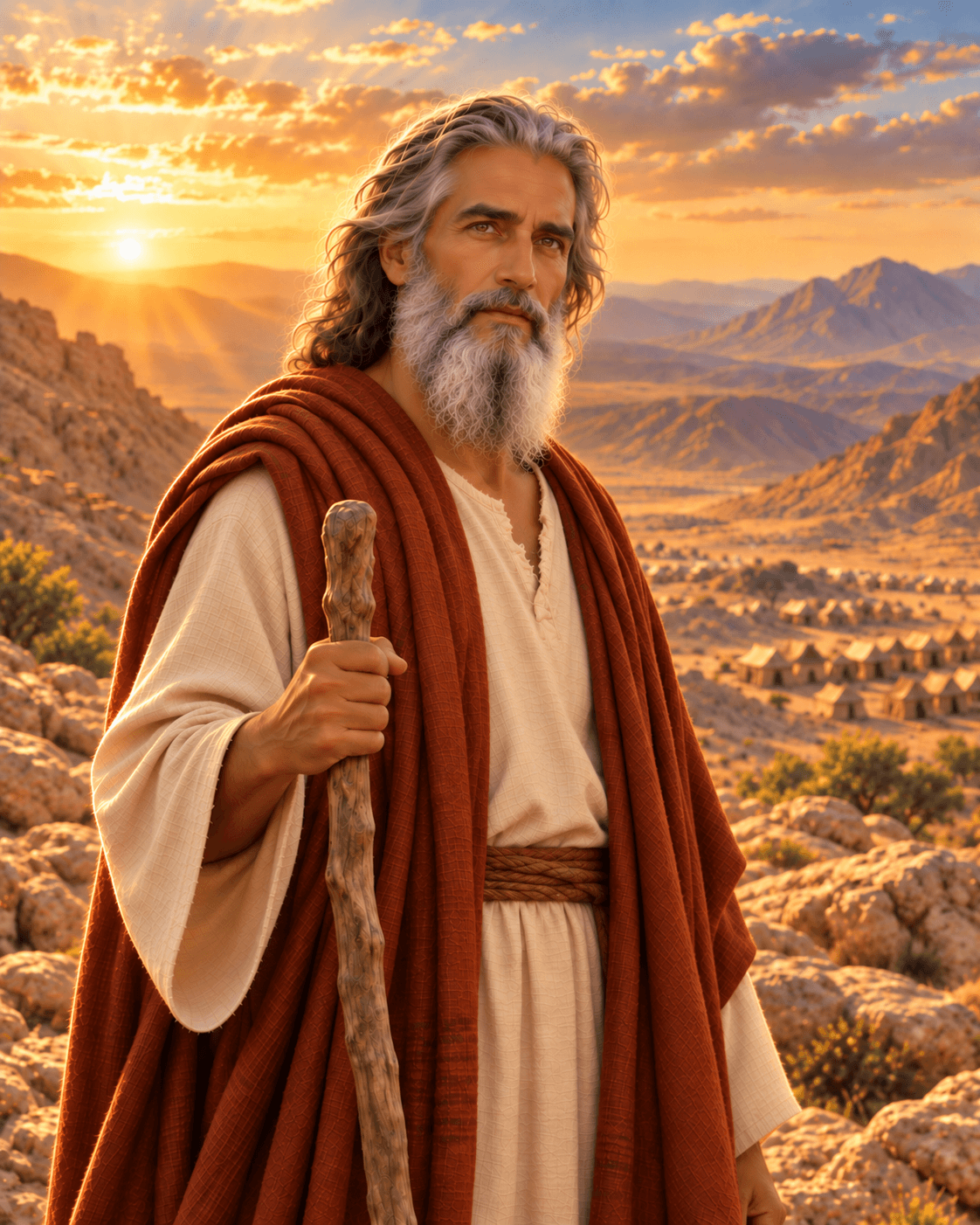 Moses
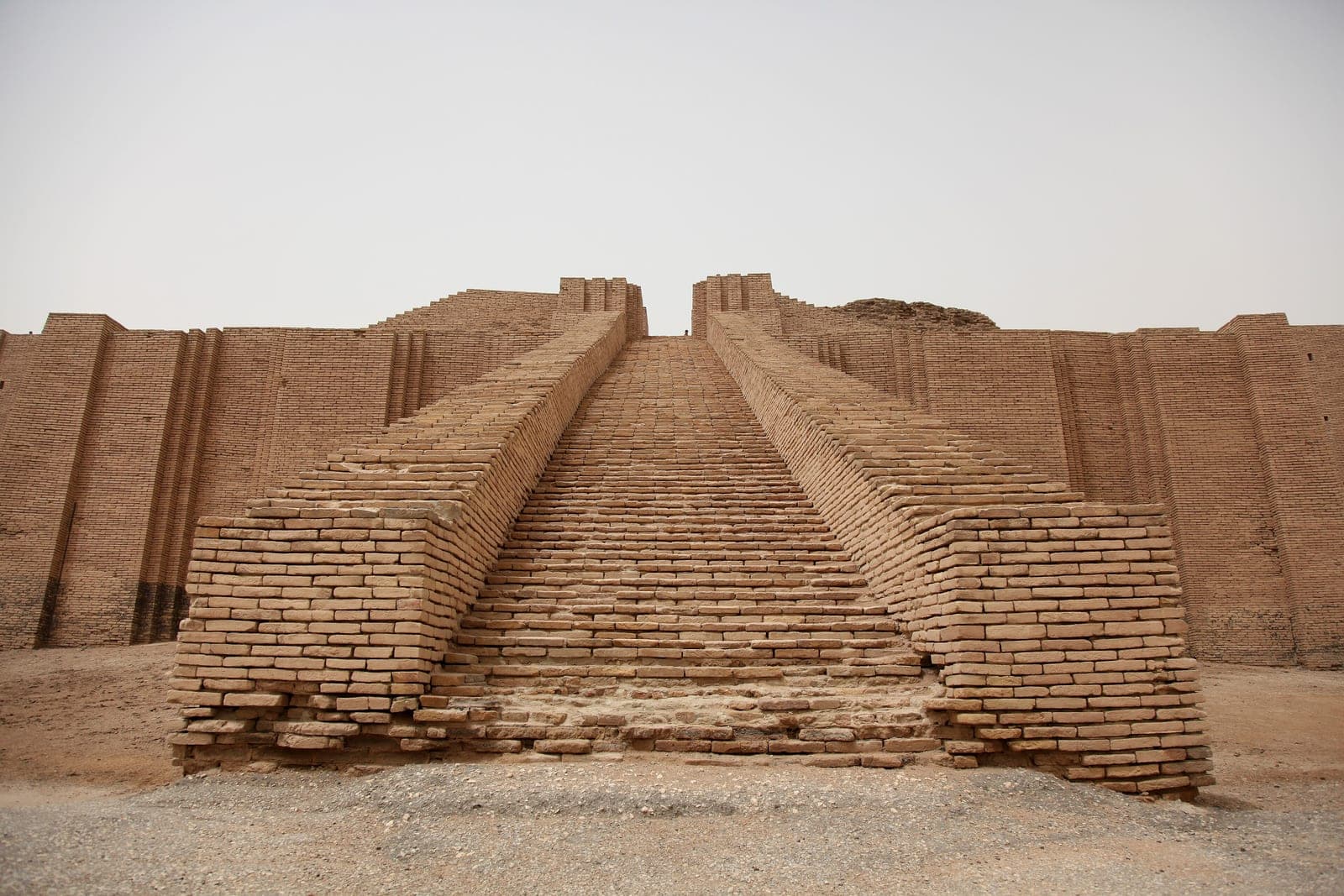
Photo: U.S. Army photo by Spc. Samantha R. Ciaramitaro, via DVIDS and Wikimedia Commons. License: Public domain in the United States — U.S. federal-government work. Source. Location: Great Ziggurat, Ur Archaeological City (Tell el-Mukayyar), Dhi Qar Governorate, Iraq. Resized for the web.
Explore the places of the Bible
See where biblical events happened, why each place matters, and what archaeology helps us understand.
Ur
The city Abram's family left to travel toward Canaan.
Get full access with one subscription
Explore the people and places of the Bible. Read summaries of every book, with images and clear explanations covering every chapter. Access all these features and our Bible study tools with one subscription.
See PlansAsk AI about Exodus 12:13
Ask a question about this verse and get a clear answer, with Bible references you can read for yourself.
Every Bible book, explained chapter by chapter
Explore summaries of every book of the Bible, with images and easy-to-understand explanations covering every chapter.
Keep studying Exodus 12:13
Related Bible verses
Key themes
Related topics
At a Glance — the Book of Exodus
- Author
- Traditionally attributed to Moses
- Written
- Around 1400 BC
- Genre
- Law (Pentateuch)
- Original Audience
- The Israelites in the wilderness
Frequently Asked Questions
Quick, clear answers about this verse
What does Exodus 12:13 mean?
Exodus 12:13 describes God's instruction to the Israelites to mark their homes with lamb's blood as a sign for protection during the final plague in Egypt. When God sees the blood, He promises to pass over those homes, sparing them from destruction.
What is the significance of the blood in Exodus 12:13?
The blood in Exodus 12:13 symbolizes God's covenant with the Israelites, representing safety and deliverance from judgment. It serves as a reminder of God's mercy and the importance of obedience to His commands.
How does Exodus 12:13 relate to faith?
Exodus 12:13 illustrates the concept of faith by showing that the Israelites' trust in God's instructions led to their protection from harm. Their obedience to mark their homes with blood was a demonstration of their faith in God's promise.
What lesson can we learn from Exodus 12:13?
From Exodus 12:13, we learn the importance of obedience and faith in God's guidance. It teaches us that trusting in God can provide safety and deliverance, especially during challenging times.
Daily Verse — straight to your inbox
A verse and a 2-sentence plain-English explanation, every morning. Free. Unsubscribe anytime.