Old Testament
Exodus 12:16
Read the Bible in clear, modern English—easy to understand, faithful to the meaning, and written for everyday readers.
On the 1st day, hold a sacred assembly, and do the same on the 7th day. No work of any kind may be done on those days, except for preparing food — that is the only exception.
Compare translations
And in the first day there shall be an holy convocation, and in the seventh day there shall be an holy convocation to you; no manner of work shall be done in them, save that which every man must eat, that only may be done of you.
What Exodus 12:16 means
Plain-English insight for readers
In this passage, God instructs the people to set aside two special days: the first and the seventh day of a festival. These days are meant for gathering together in a sacred way, focusing on community and worship. On these days, no regular work should be done, allowing everyone to rest and reflect. The only exception is preparing food, which is necessary for the celebrations. This emphasizes the importance of both rest and nourishment during significant times. By dedicating these days to spiritual and communal activities, the people are reminded of their connection to God and each other. It’s a time to pause from daily routines and engage in meaningful practices that strengthen their faith and relationships. This instruction highlights the value of taking time out of our busy lives to honor what truly matters, fostering a sense of unity and purpose among the community. It’s a call to prioritize spiritual well-being alongside physical needs, creating a balanced approach to life.
How to apply Exodus 12:16 to your life
Consider setting aside specific times in your week for rest and reflection. Use these moments to connect with others and focus on what truly matters in your life. Prioritizing spiritual and communal activities can enhance your sense of purpose and belonging. Make it a habit to pause and appreciate these moments together with loved ones. This can lead to deeper connections and a more fulfilling life experience.
Curated for this public verse page. Exodus Summary
Learn the Bible through its people and places
Get to know the people in Scripture through illustrated stories, and explore the places where they lived and traveled.

Illustrated scene from Moses's story: The First Passover (Exodus 12:1–28)
Meet the people of the Bible
Follow their lives in order, with illustrated scenes and Bible passages that tell their stories.
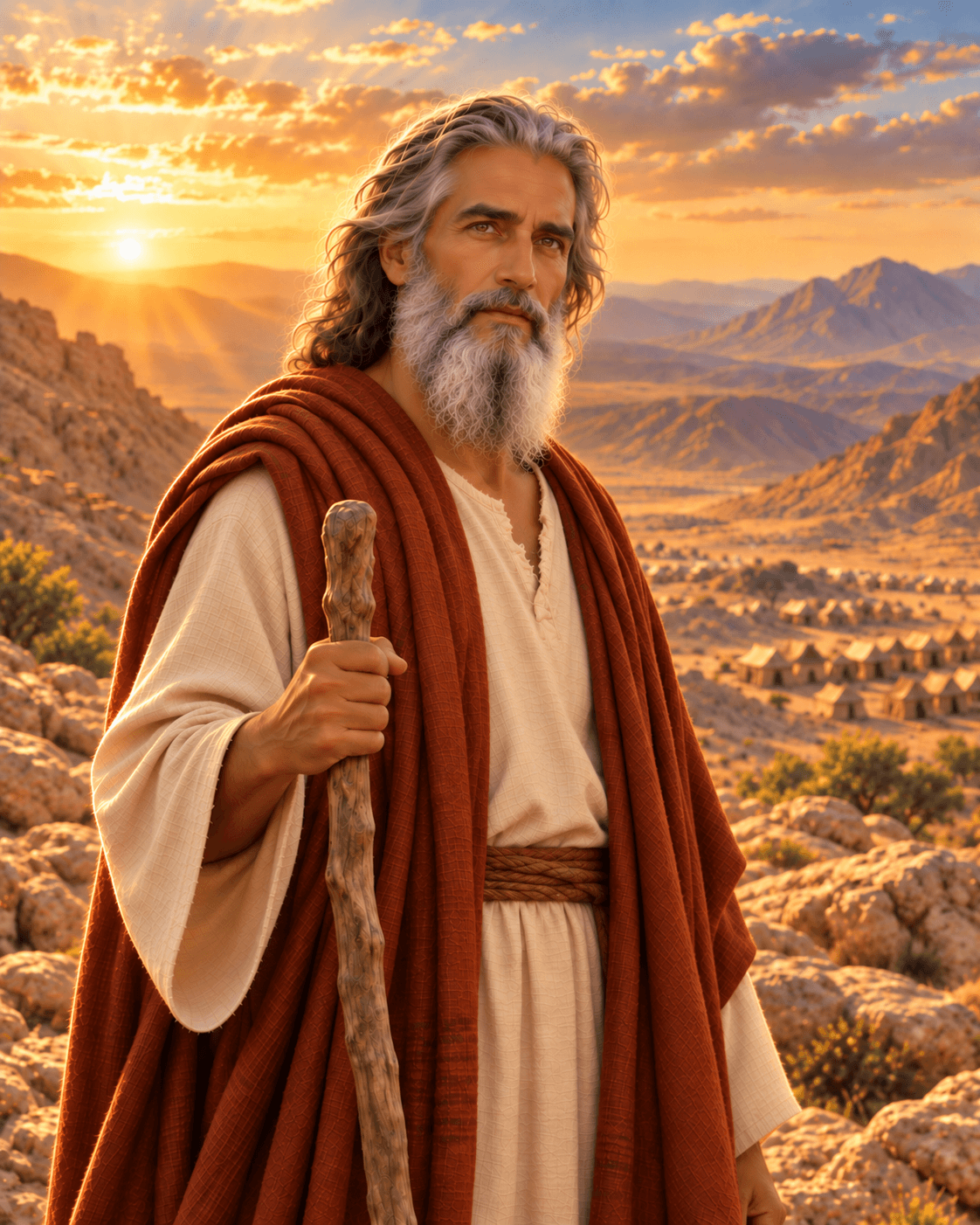 Moses
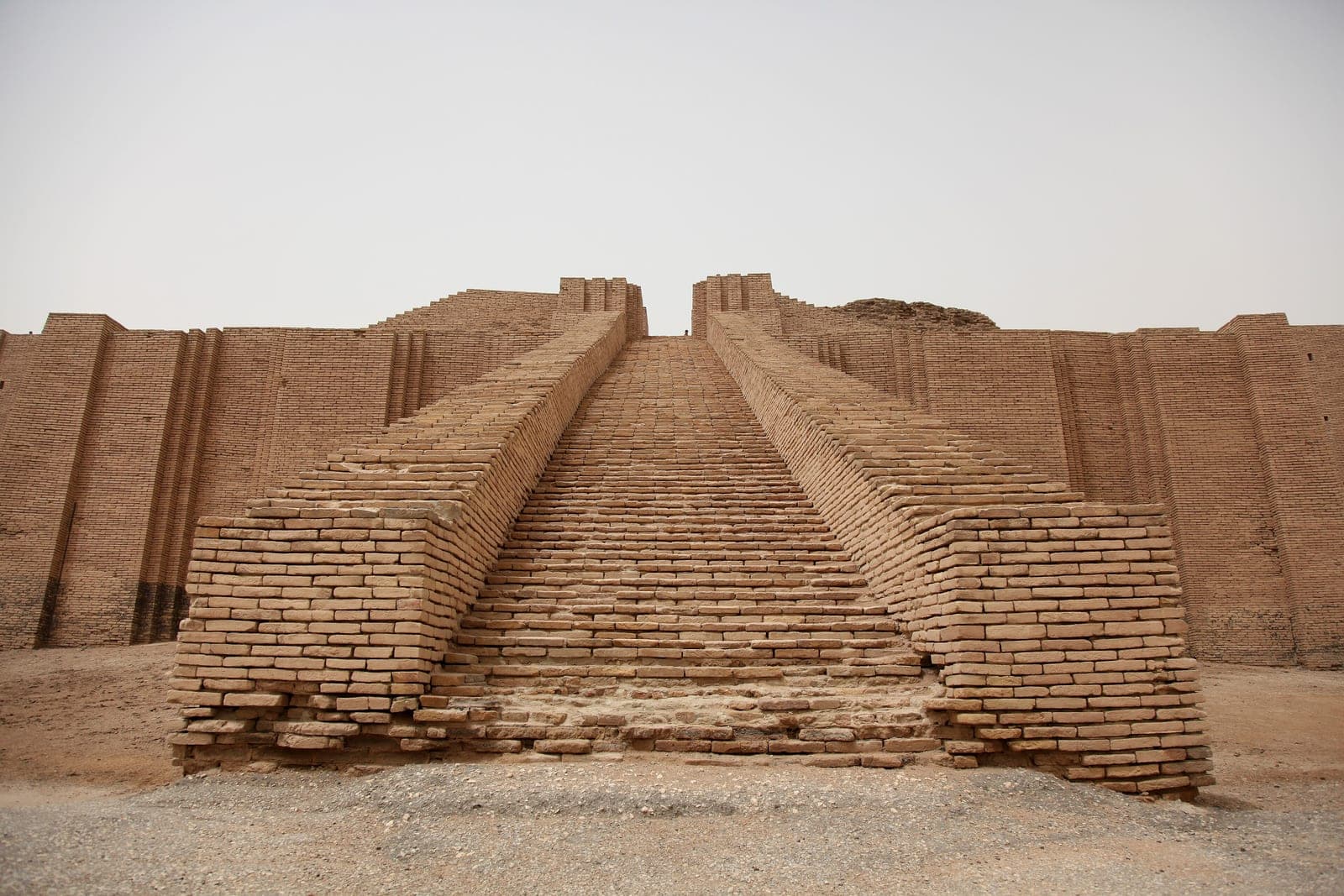
Photo: U.S. Army photo by Spc. Samantha R. Ciaramitaro, via DVIDS and Wikimedia Commons. License: Public domain in the United States — U.S. federal-government work. Source. Location: Great Ziggurat, Ur Archaeological City (Tell el-Mukayyar), Dhi Qar Governorate, Iraq. Resized for the web.
Explore the places of the Bible
See where biblical events happened, why each place matters, and what archaeology helps us understand.
Ur
The city Abram's family left to travel toward Canaan.
Get full access with one subscription
Explore the people and places of the Bible. Read summaries of every book, with images and clear explanations covering every chapter. Access all these features and our Bible study tools with one subscription.
See PlansAsk AI about Exodus 12:16
Ask a question about this verse and get a clear answer, with Bible references you can read for yourself.
Every Bible book, explained chapter by chapter
Explore summaries of every book of the Bible, with images and easy-to-understand explanations covering every chapter.
Keep studying Exodus 12:16
Related Bible verses
At a Glance — the Book of Exodus
- Author
- Traditionally attributed to Moses
- Written
- Around 1400 BC
- Genre
- Law (Pentateuch)
- Original Audience
- The Israelites in the wilderness
Frequently Asked Questions
Quick, clear answers about this verse
What does Exodus 12:16 mean?
Exodus 12:16 instructs the people to observe two special days during a festival, focusing on sacred gatherings and rest. On these days, no regular work should be done, except for preparing food, emphasizing the importance of community and worship.
What is the significance of the sacred assembly in Exodus 12:16?
The sacred assembly in Exodus 12:16 signifies a time for the community to come together in worship and reflection. It highlights the importance of setting aside time for spiritual connection and communal activities.
What does 'no work of any kind' mean in Exodus 12:16?
In Exodus 12:16, 'no work of any kind' means that regular daily tasks should be paused to honor the sacredness of the festival days. The only exception is for preparing food, which is necessary for the celebrations.
How can I apply Exodus 12:16 to my life?
You can apply Exodus 12:16 by setting aside specific times for rest and community engagement in your life. Prioritizing these moments can enhance your spiritual well-being and strengthen your relationships with others.
Daily Verse — straight to your inbox
A verse and a 2-sentence plain-English explanation, every morning. Free. Unsubscribe anytime.