Old Testament
Exodus 12:29
Read the Bible in clear, modern English—easy to understand, faithful to the meaning, and written for everyday readers.
At midnight, the LORD struck down every firstborn in Egypt — from the firstborn of Pharaoh sitting on his throne, to the firstborn of the prisoner locked in the dungeon, and every firstborn among the livestock.
Compare translations
And it came to pass, that at midnight the LORD smote all the firstborn in the land of Egypt, from the firstborn of Pharaoh that sat on his throne unto the firstborn of the captive that was in the dungeon; and all the firstborn of cattle.
What Exodus 12:29 means
Plain-English insight for readers
At midnight, a significant event occurred in Egypt that changed everything. The LORD executed a powerful judgment, striking down every firstborn in the land. This included the firstborn of Pharaoh, who was the highest authority, and even the firstborn of those imprisoned in dungeons. No one was exempt from this decree, not even the livestock. This moment marked a turning point in the struggle between the Israelites and the Egyptians. It was a demonstration of the seriousness of the situation and the lengths to which the LORD would go to free His people. The event was both a tragedy and a catalyst for liberation, highlighting the consequences of disobedience and the importance of heeding warnings. It serves as a reminder of the power of divine intervention in human affairs, showing that justice can come in unexpected ways and at unexpected times. This moment in history is a profound lesson about the value of life and the weight of choices made by leaders and individuals alike.
How to apply Exodus 12:29 to your life
Reflect on the choices you make and their potential impact on others. Consider how your actions align with your values and beliefs. This story encourages us to be mindful of our responsibilities and the weight of our decisions, both personally and in our communities. Seek to act with integrity and compassion in all situations. Remember, our choices matter deeply to those around us and to ourselves as well. It’s a call to live thoughtfully.
Curated for this public verse page. Exodus Summary
Learn the Bible through its people and places
Get to know the people in Scripture through illustrated stories, and explore the places where they lived and traveled.

Illustrated scene from Moses's story: Israel Leaves Egypt (Exodus 12:29–42)
Meet the people of the Bible
Follow their lives in order, with illustrated scenes and Bible passages that tell their stories.
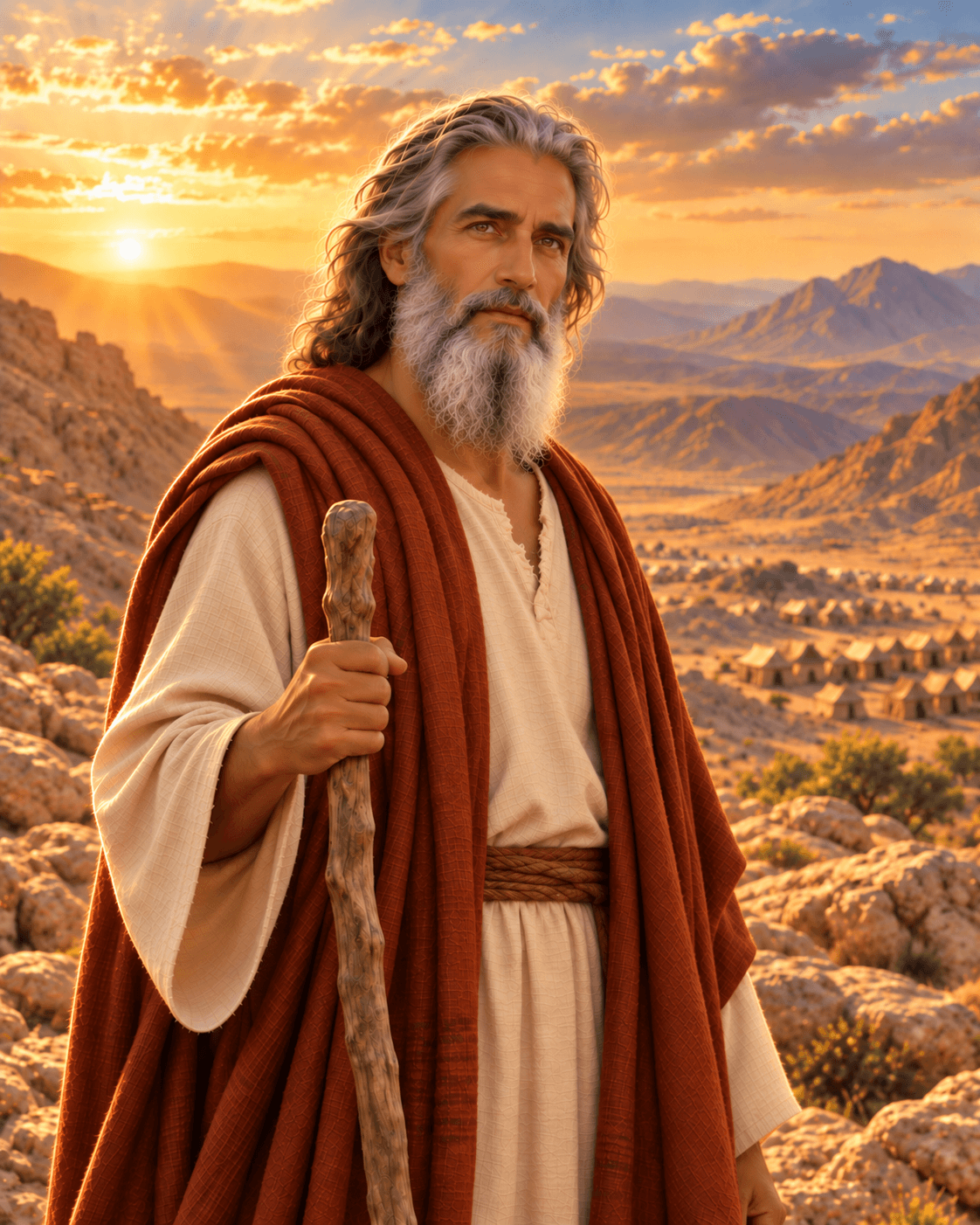 Moses
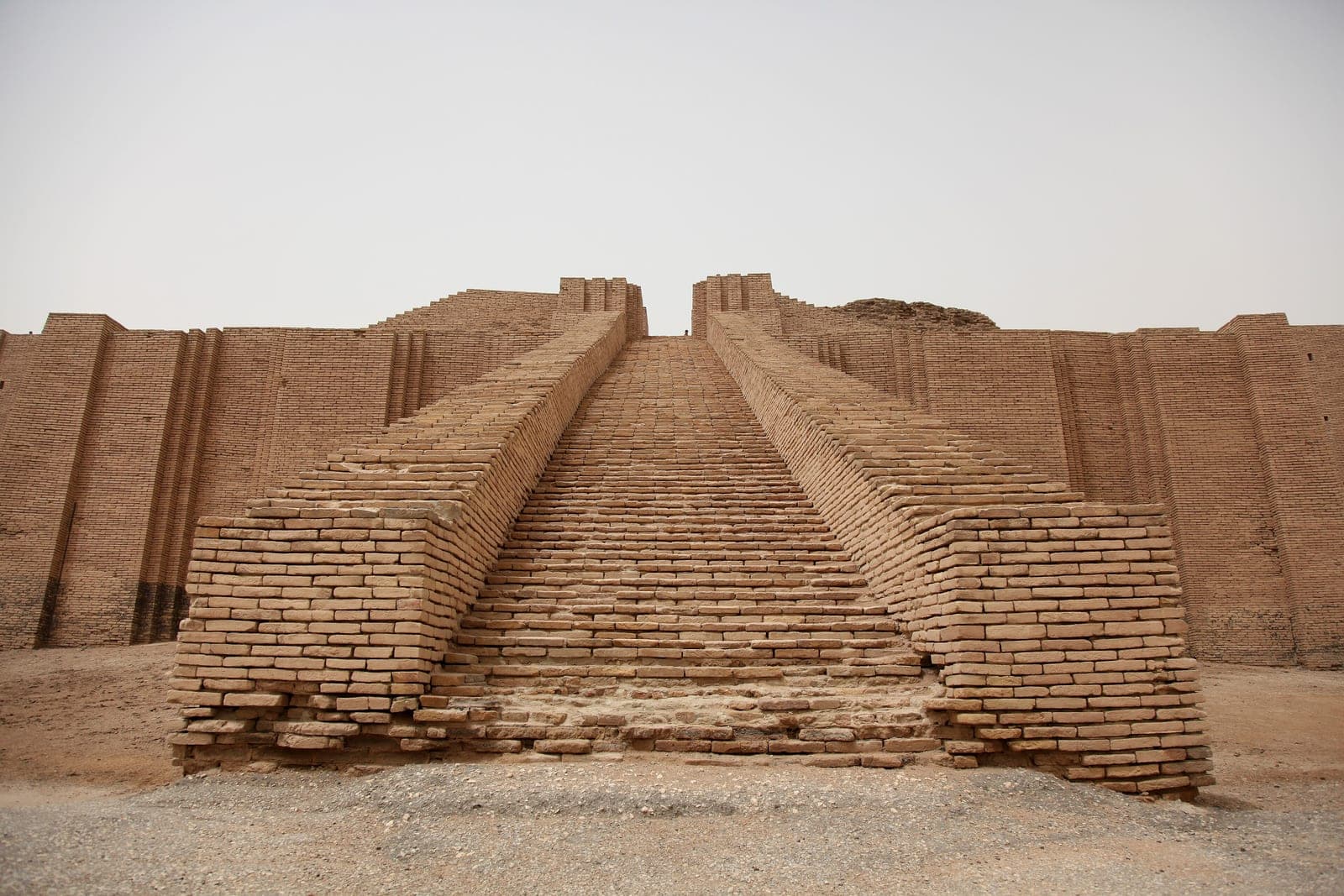
Photo: U.S. Army photo by Spc. Samantha R. Ciaramitaro, via DVIDS and Wikimedia Commons. License: Public domain in the United States — U.S. federal-government work. Source. Location: Great Ziggurat, Ur Archaeological City (Tell el-Mukayyar), Dhi Qar Governorate, Iraq. Resized for the web.
Explore the places of the Bible
See where biblical events happened, why each place matters, and what archaeology helps us understand.
Ur
The city Abram's family left to travel toward Canaan.
Get full access with one subscription
Explore the people and places of the Bible. Read summaries of every book, with images and clear explanations covering every chapter. Access all these features and our Bible study tools with one subscription.
See PlansAsk AI about Exodus 12:29
Ask a question about this verse and get a clear answer, with Bible references you can read for yourself.
Every Bible book, explained chapter by chapter
Explore summaries of every book of the Bible, with images and easy-to-understand explanations covering every chapter.
Keep studying Exodus 12:29
Related Bible verses
Related topics
At a Glance — the Book of Exodus
- Author
- Traditionally attributed to Moses
- Written
- Around 1400 BC
- Genre
- Law (Pentateuch)
- Original Audience
- The Israelites in the wilderness
Frequently Asked Questions
Quick, clear answers about this verse
What does Exodus 12:29 mean?
Exodus 12:29 describes a pivotal moment when the LORD executed judgment by striking down every firstborn in Egypt at midnight. This event was a direct consequence of Pharaoh's refusal to free the Israelites and marked a significant turning point in their liberation.
What is the significance of the firstborn in Exodus 12:29?
The firstborn in Exodus 12:29 represents the highest and most vulnerable in society, including Pharaoh's own son and those imprisoned. Their deaths symbolized the severity of divine judgment and the consequences of disobedience to God's commands.
How does Exodus 12:29 relate to the theme of liberation?
Exodus 12:29 is closely tied to the theme of liberation as it sets the stage for the Israelites' eventual escape from slavery in Egypt. The judgment against the firstborn was a catalyst that compelled Pharaoh to release the Israelites, emphasizing the lengths to which God would go to free His people.
What are the consequences mentioned in Exodus 12:29?
The consequences in Exodus 12:29 include the death of every firstborn in Egypt, which illustrates the severe repercussions of Pharaoh's stubbornness. This event serves as a reminder of the impact of choices made by leaders and the importance of heeding warnings.
Daily Verse — straight to your inbox
A verse and a 2-sentence plain-English explanation, every morning. Free. Unsubscribe anytime.