Old Testament
Exodus 16:20
Read the Bible in clear, modern English—easy to understand, faithful to the meaning, and written for everyday readers.
But some of them didn't listen to Moses and saved part of it overnight. By morning it was crawling with worms and smelled terrible. Moses was angry with them.
Compare translations
Notwithstanding they hearkened not unto Moses; but some of them left of it until the morning, and it bred worms, and stank: and Moses was wroth with them.
What Exodus 16:20 means
Plain-English insight for readers
In this passage, we see a clear lesson about trust and obedience. God provided the Israelites with manna, a special food, each day. However, some people decided to save some for the next day, ignoring Moses' instructions. When they woke up, the leftover food was spoiled, filled with worms, and had a terrible smell. This made Moses very angry because it showed a lack of faith in God's daily provision. The Israelites were meant to rely on God for their needs, trusting that He would provide fresh manna each day. Their actions demonstrated doubt and disobedience, which led to negative consequences. This story reminds us that following guidance and trusting in what we are given is essential for our well-being and peace of mind. It encourages us to live in the moment and not hoard what we think we need for the future, as God knows our needs better than we do and will provide for us in His timing and way. Trusting Him is key to a fulfilling life, free from unnecessary worry.
How to apply Exodus 16:20 to your life
We can learn to trust that our needs will be met each day. Instead of worrying about the future, focus on what you have now and be grateful. Practice living in the moment and relying on God for your daily needs. This can lead to a more peaceful and fulfilling life. Trusting God helps us avoid unnecessary stress and anxiety over what lies ahead. “Trust in the Lord with all your heart.” “Live one day
Curated for this public verse page. Exodus Summary
Learn the Bible through its people and places
Get to know the people in Scripture through illustrated stories, and explore the places where they lived and traveled.

Illustrated scene from Moses's story: Manna and Quail (Exodus 16:1–36)
Meet the people of the Bible
Follow their lives in order, with illustrated scenes and Bible passages that tell their stories.
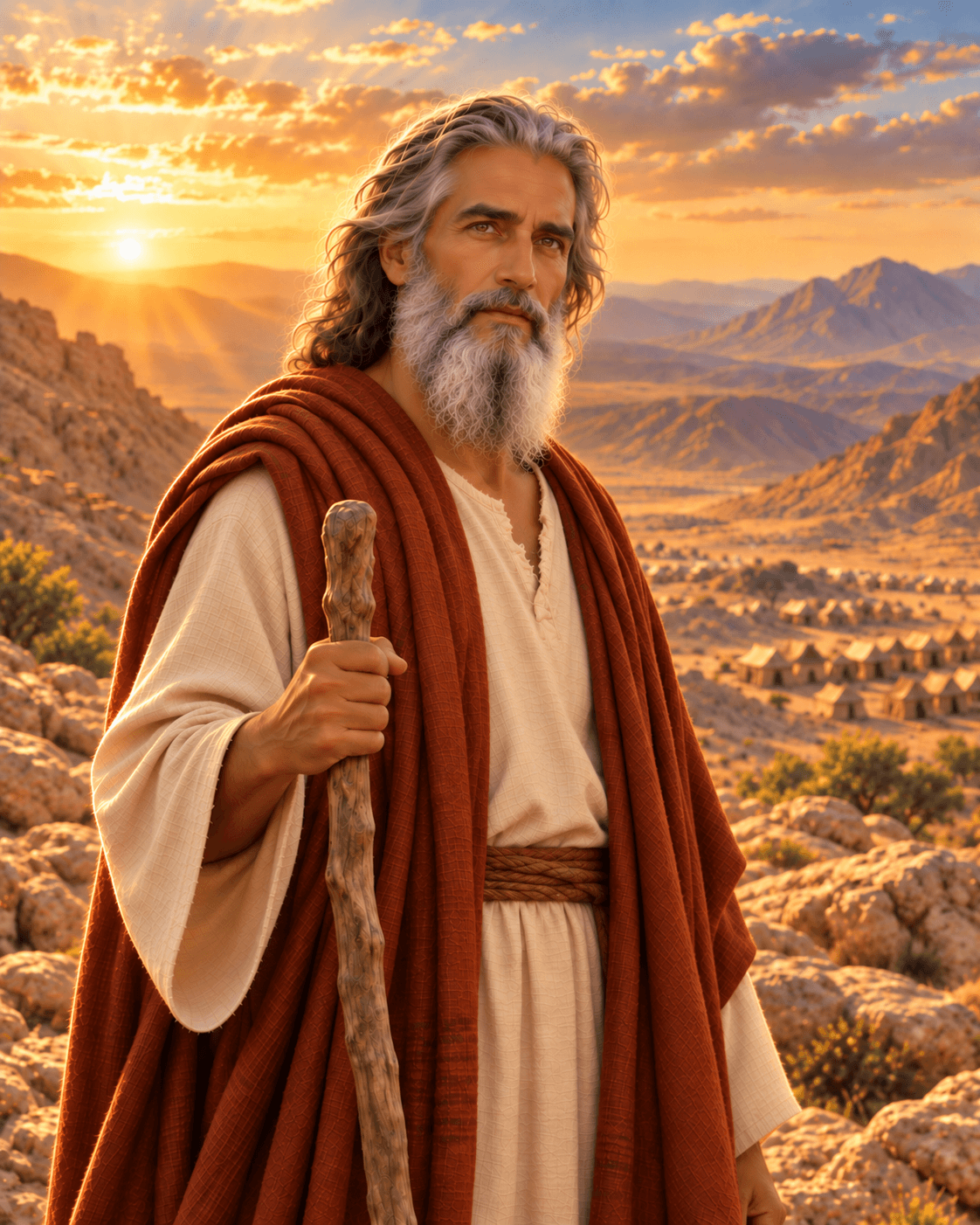 Moses
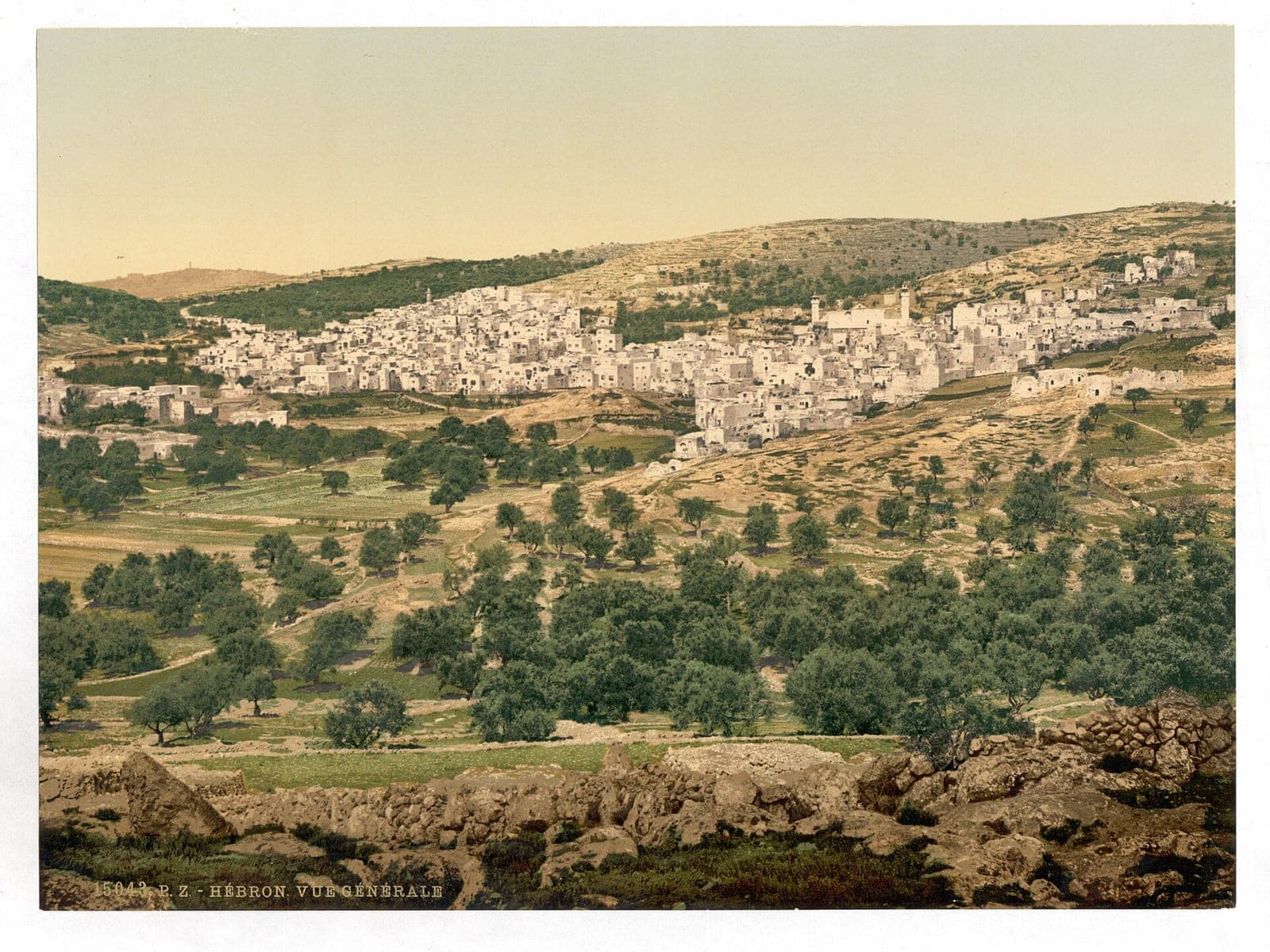
Photo: Photochrom print, Library of Congress Prints and Photographs Division (LCCN 2002724987). License: Public domain in the United States; Library of Congress states no known restrictions on publication. Source. Location: Hebron, West Bank; print preserved by the Library of Congress. Resized for the web.
Explore the places of the Bible
See where biblical events happened, why each place matters, and what archaeology helps us understand.
Hebron
Where Abraham lived and buried Sarah, and where David was first made king.
Get full access with one subscription
Explore the people and places of the Bible. Read summaries of every book, with images and clear explanations covering every chapter. Access all these features and our Bible study tools with one subscription.
See PlansAsk AI about Exodus 16:20
Ask a question about this verse and get a clear answer, with Bible references you can read for yourself.
Every Bible book, explained chapter by chapter
Explore summaries of every book of the Bible, with images and easy-to-understand explanations covering every chapter.
Keep studying Exodus 16:20
Related Bible verses
Related topics
At a Glance — the Book of Exodus
- Author
- Traditionally attributed to Moses
- Written
- Around 1400 BC
- Genre
- Law (Pentateuch)
- Original Audience
- The Israelites in the wilderness
Frequently Asked Questions
Quick, clear answers about this verse
What does Exodus 16:20 mean?
Exodus 16:20 illustrates the consequences of disobedience and lack of trust in God's provision. The Israelites were instructed to gather only enough manna for each day, but some chose to save it, resulting in spoiled food filled with worms.
What is the significance of the worms in Exodus 16:20?
The worms in Exodus 16:20 symbolize the consequences of not following God's instructions. By saving the manna, the Israelites demonstrated a lack of faith in God's daily provision, leading to their food spoiling and causing Moses' anger.
What lesson can we learn from Exodus 16:20?
Exodus 16:20 teaches us the importance of trusting God for our daily needs and following His guidance. It encourages us to live in the moment and rely on God's provision rather than hoarding resources out of fear.
Why was Moses angry in Exodus 16:20?
Moses was angry in Exodus 16:20 because some Israelites disobeyed God's command by saving manna overnight. Their actions showed a lack of faith and trust in God's provision, which frustrated Moses as their leader.
Daily Verse — straight to your inbox
A verse and a 2-sentence plain-English explanation, every morning. Free. Unsubscribe anytime.